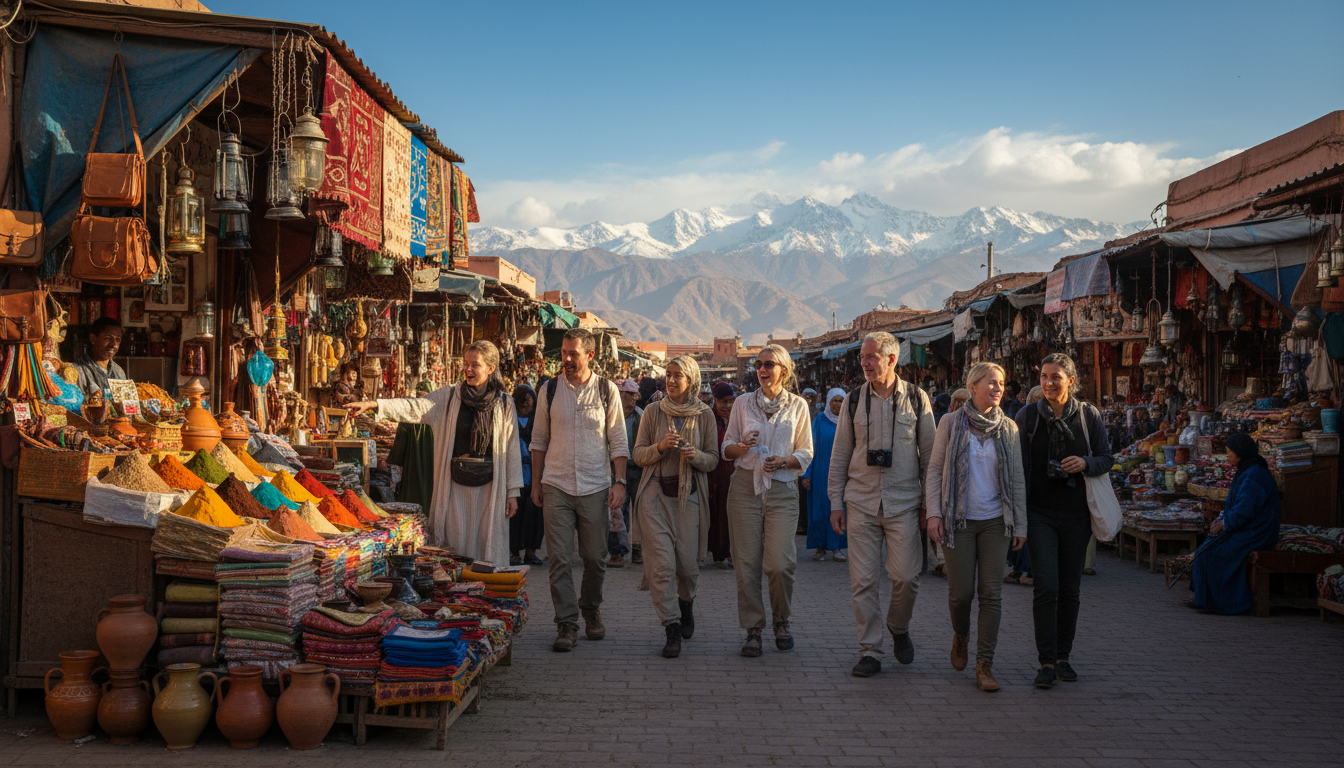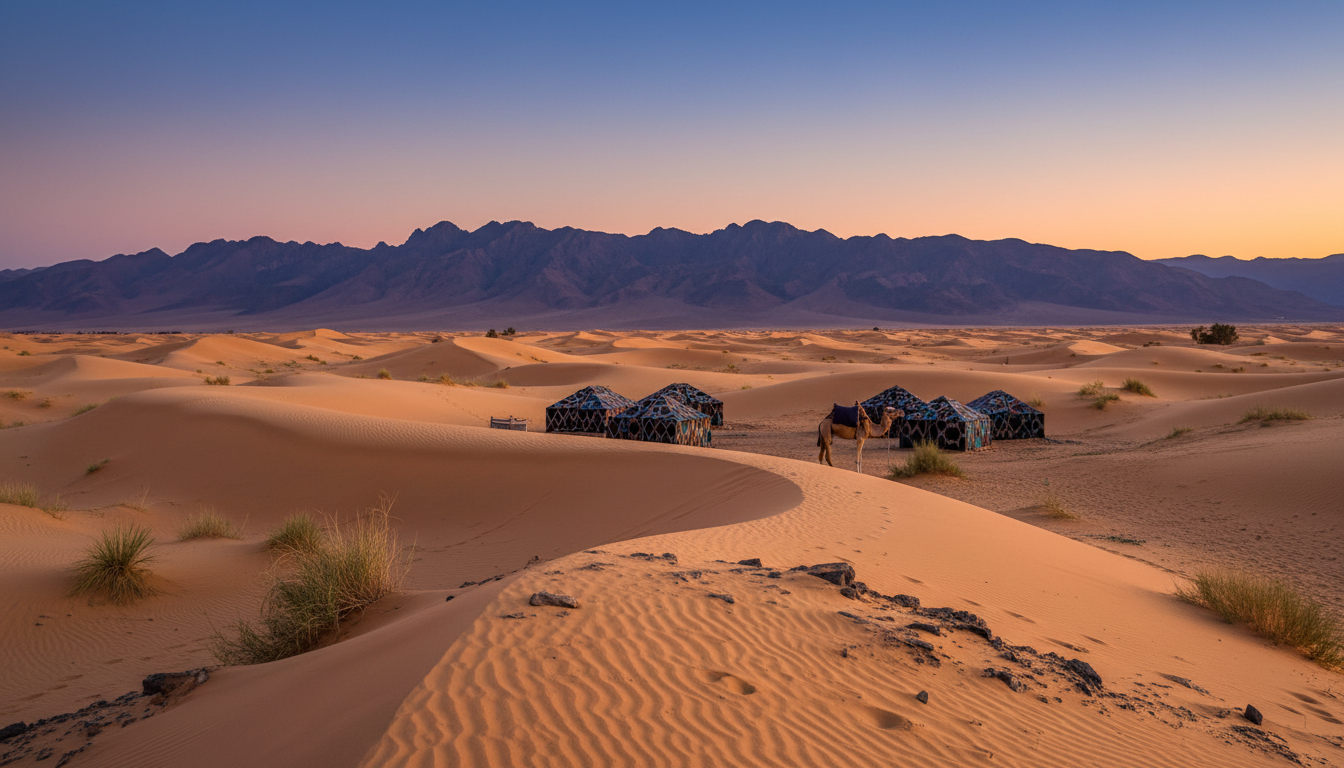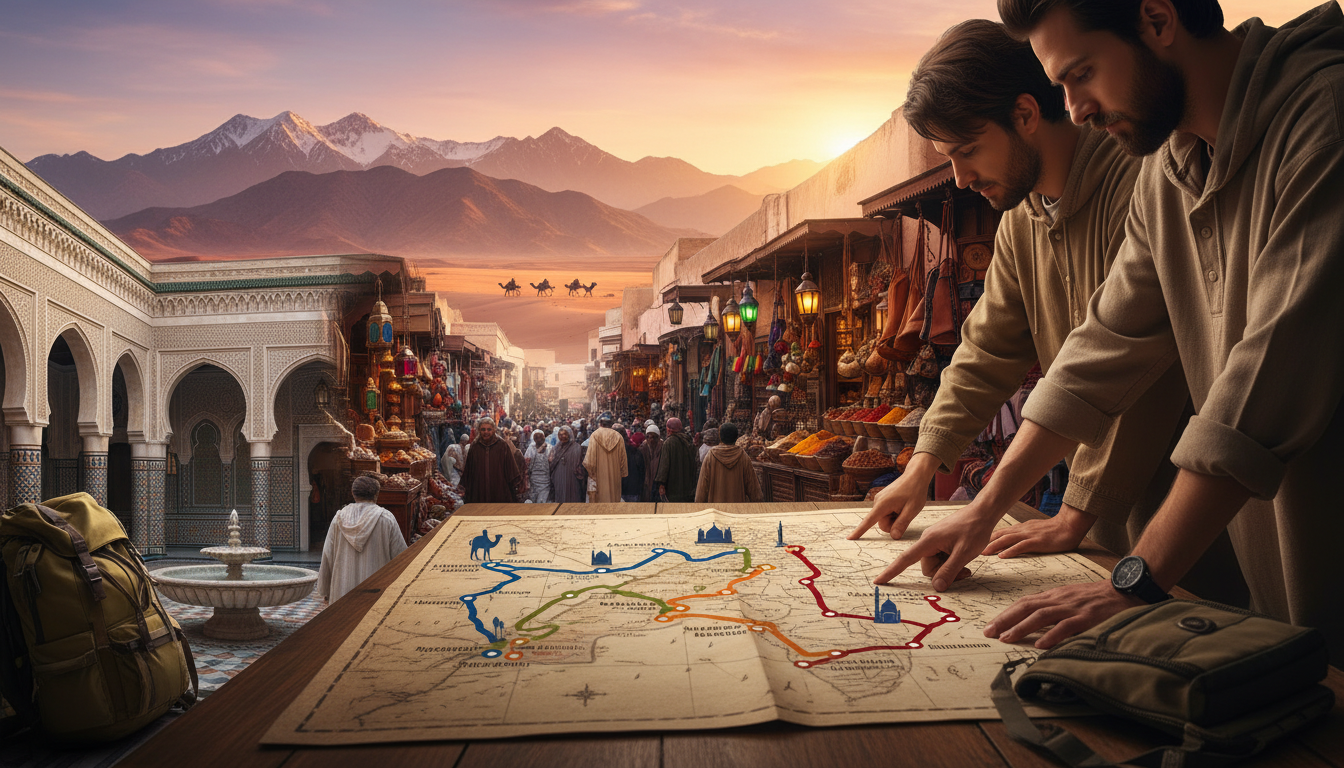
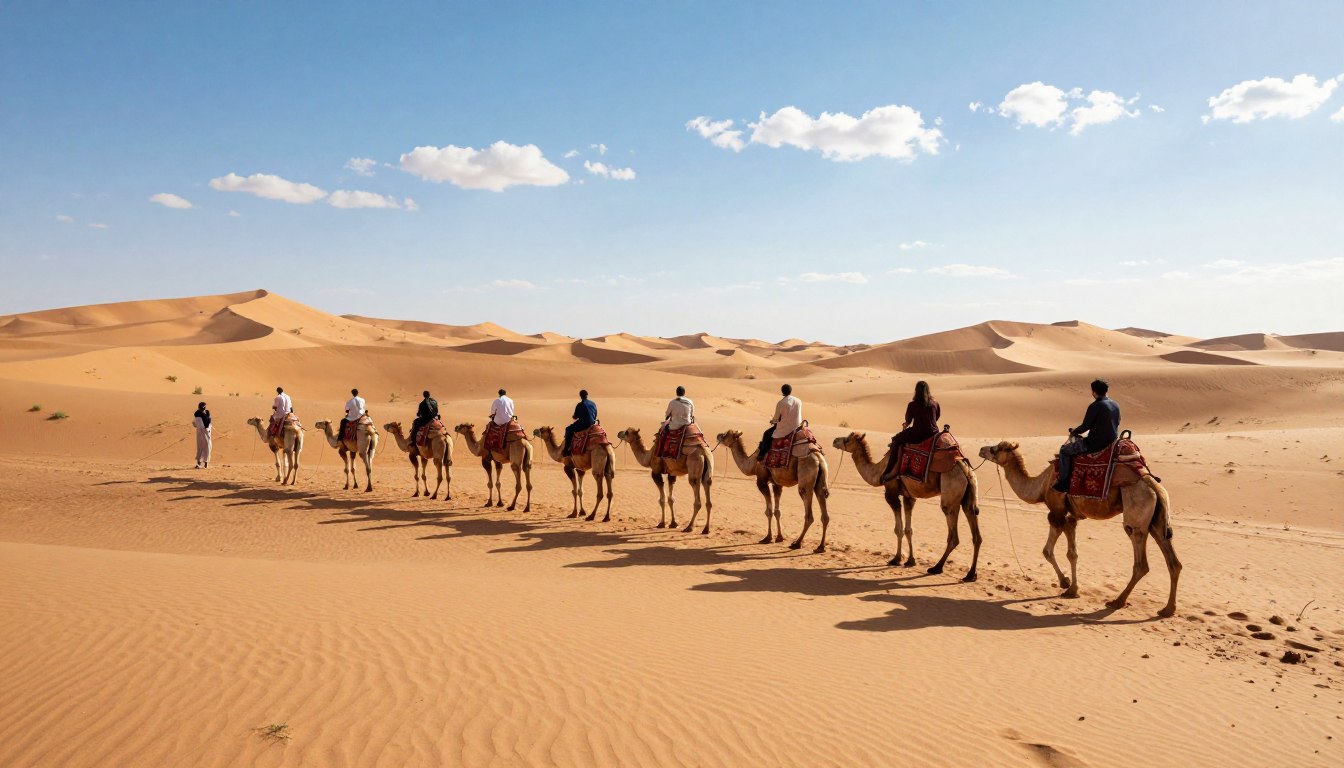
Imagine riding a camel across the Sahara’s golden dunes. The sun warms your face, and the vast landscape is peaceful. A 3-day camel trekking tour from Marrakech to Merzouga is an unforgettable adventure. It lets you see Morocco’s natural beauty and rich culture.
On your Sahara journey, you’ll learn about the Berber lifestyle. You’ll also try local food and see amazing sunsets. Our camel trekking tours are guided by experts. They make sure you have a safe and meaningful experience, connecting you with the land and its people.
Key Takeaways
- Explore the vast dunes of the Sahara Desert on a guided camel trek.
- Immerse yourself in Berber culture and traditions.
- Enjoy local cuisine and breathtaking desert landscapes.
- Experience the tranquility and beauty of the Sahara.
- Benefit from expertly guided tours for a safe and enriching adventure.
Introduction to Camel Trekking in the Sahara
Camel trekking in the Sahara is an adventure like no other. It lets you see the vast dunes and enjoy the desert’s calm. This is a key part of desert camel expeditions morocco, with Erg Chebbi and Erg Chigaga dunes waiting.
When you start a sahara camel trekking excursions, you see landscapes that are both beautiful and peaceful. It’s not just about where you go. It’s about the ride, watching sunsets, and seeing the stars at night.
If you want to see the Sahara Desert, sahara desert tours from Marrakech are a great choice. They include camel trekking, giving you a full desert experience.
The table below shows what camel trekking in the Sahara is like:
| Aspect | Description | Experience Level |
|---|---|---|
| Terrain | Vast sand dunes, rocky paths | Moderate |
| Duration | Varied, from a few hours to several days | Flexible |
| Cultural Experience | Interaction with local Berber communities | Rich |
Camel trekking in the Sahara is more than a tour. It’s an experience that mixes adventure, culture, and nature. Whether you’re experienced or just looking for something different, sahara camel trekking excursions have something for you.
Why Choose Morocco for Your Desert Adventure?
The Moroccan Sahara Desert is a top choice for adventure. It combines stunning natural beauty with a rich cultural heritage. Morocco’s mix of geography, culture, and tour options makes it perfect for camel trekking.
Unique Geographical Features
Morocco boasts some of the Sahara’s most stunning desert landscapes. The Erg Chebbi and Erg Chigaga dunes are famous for their breathtaking views and sunsets. The Sahara Desert offers a peaceful and majestic setting for camel trekking.
Rich Cultural Heritage
Morocco’s desert landscapes are deeply connected to its culture. The country is home to many Berber communities, where traditional life is preserved. Visitors can dive into the culture through local food, music, and dance.
Key Cultural Experiences:
- Local cuisine: Try dishes like tagine and couscous.
- Traditional music and dance: Enjoy performances by local artists.
- Berber culture: Learn about local traditions by engaging with communities.
Variety of Tour Options
Morocco has many camel trekking tours for all preferences and adventure levels. Whether you want a short, easy ride or a long expedition, there’s a tour for you.
| Tour Type | Duration | Key Features |
|---|---|---|
| Short Camel Ride | 1-2 days | Ideal for beginners, explores Erg Chebbi dunes. |
| Extended Expedition | 3-7 days | Covers multiple desert landscapes, includes cultural experiences. |
| Luxury Desert Safari | Variable | Offers high-end accommodations, personalized service. |
Morocco is the ideal spot for your desert adventure. It offers unique landscapes, a rich culture, and many tour options. Whether you’re after a relaxing camel ride or a deep cultural dive, Morocco has it all.
The Best Time to Visit the Sahara Desert
Visiting the Sahara Desert requires careful planning due to its extreme climate. Morocco’s desert has very hot summers and mild winters. This makes choosing the right time for your camel trekking adventure key.
Understanding seasonal changes and weather is vital for a comfortable trip. For more details on planning, check out Morocco desert trips. They offer various desert adventure options.
Understanding Seasonal Changes
The Sahara Desert sees huge seasonal changes. Summers are extremely hot, with temperatures over 120°F (49°C) during the day. Winters, on the other hand, can get quite cool, dropping to around 32°F (0°C) at night.
Spring (March to May) and autumn (September to November) are the best times to visit. These seasons have more moderate temperatures. This makes them perfect for camel trekking and exploring the desert.
Weather Conditions
The Sahara Desert’s weather can be unpredictable. Sandstorms can happen, making it hard to see and navigate. Always follow the advice of experienced guides.
Before you go, check the weather forecast. Being ready for extreme weather ensures a safe and fun trip. The desert’s clear skies at night are great for stargazing, adding to the adventure.
What to Expect on a Camel Trekking Tour
Going on a camel trek in the Sahara Desert is an unforgettable experience. You’ll see the calm beauty of the desert as you move through its vast dunes and oases.
Duration of Tours
Our camel tours can last from a few hours to several days. You can choose a short excursion or an extended adventure. For example, our 3-day desert tour from Fes to is a favorite among travelers.
Types of Terrain
The Sahara has different landscapes, like sand dunes, rocky areas, and green oases. You’ll see amazing views and unique rock formations. Our guides will make sure you’re safe and comfortable on this journey.
Local Wildlife Encounters
The Sahara has many animals that live in the desert. You might see desert foxes, snakes, and birds. Our guides know a lot about these animals and will tell you about their homes and how they live.
| Terrain Type | Features | Wildlife |
|---|---|---|
| Sand Dunes | Vast, rolling dunes | Desert lizards, snakes |
| Rocky Plateaus | Barren, rugged terrain | Birds of prey, desert goats |
| Oases | Lush vegetation, water sources | Various bird species, insects |
Preparing for Your Camel Trekking Adventure
To enjoy your camel riding tours in the Sahara desert, you need the right gear and knowledge.
Essential Gear and Clothing
For a comfortable and safe camel trek, the right gear and clothes are key.
- Comfortable Clothing: Choose loose, breathable clothes to protect from sun and sand.
- Headgear: A hat or turban keeps your face and neck safe from the desert sun.
- Footwear: Wear sturdy, closed-toe shoes for walking and riding.
- Personal Items: Don’t forget sunscreen, sunglasses, and a first-aid kit.
Here’s a quick guide to the essential gear and clothing:
| Item | Description | Importance Level |
|---|---|---|
| Comfortable Clothing | Loose, breathable clothing | High |
| Headgear | Hat or turban | High |
| Footwear | Sturdy, closed-toe shoes | High |
| Personal Items | Sunscreen, sunglasses, first-aid kit | Medium |
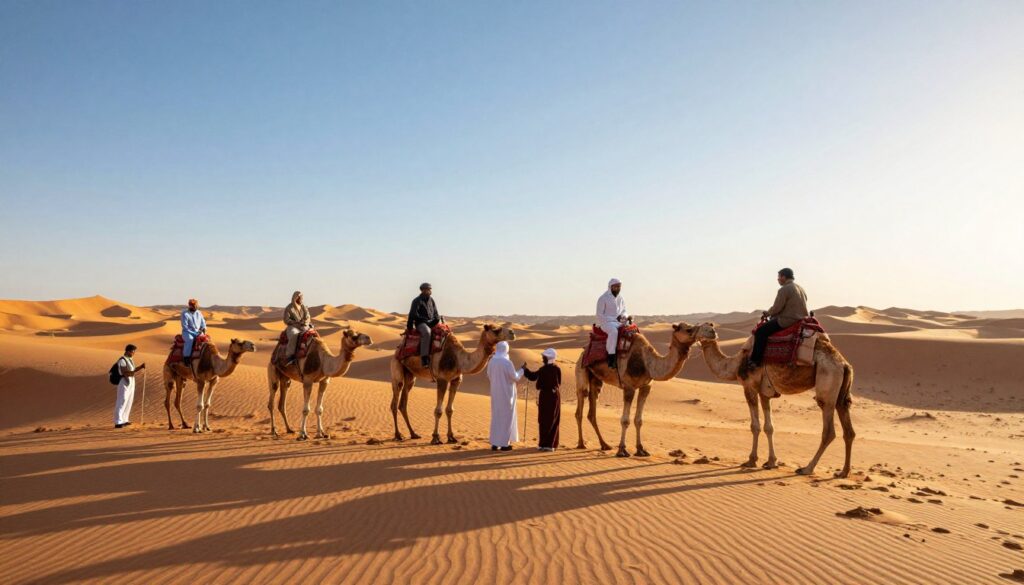
Health and Safety Tips
Keeping yourself safe and healthy on camel rides in the Sahara desert is very important.
Staying Hydrated: Drink lots of water to avoid dehydration.
Sun Protection: Use sunscreen and wear protective clothes to avoid sunburn.
- Know the signs of dehydration and heat exhaustion.
- Listen to your tour guides for safety and emergency tips.
With the right gear and knowledge, your camel trek in the Sahara Desert will be safe and unforgettable.
Popular Camel Trekking Routes in Morocco
Morocco’s Sahara Desert offers many camel trekking routes for adventure lovers. The vast desert and stunning views make it perfect for trekking.
There are famous camel trekking routes in Morocco, like Erg Chebbi and Erg Chigaga dunes. These places have amazing landscapes and cultural experiences.
Erg Chebbi Dunes
The Erg Chebbi Dunes near Merzouga are a top choice for camel trekking. The dunes are over 150 meters high, changing with the day’s light.
Key Features of Erg Chebbi:
- Close to Merzouga village
- Great for sunrise and sunset views
- Chance to meet local Berber communities
Erg Chigaga Dunes
The Erg Chigaga Dunes near M’Hamid El Ghizlane offer a quieter experience. These dunes are part of a big erg system, giving a deep desert feel.
Key Features of Erg Chigaga:
- Less crowded than Erg Chebbi
- Big erg system
- Good for longer, adventurous treks
Here’s a comparison of Erg Chebbi and Erg Chigaga to help you choose:
| Feature | Erg Chebbi | Erg Chigaga |
|---|---|---|
| Location | Near Merzouga | Near M’Hamid El Ghizlane |
| Dune Height | Up to 150 meters | Up to 50 meters, part of a larger erg |
| Crowd Level | Moderate | Less crowded |
| Trek Duration | Varied, from 1 to 3 days | Typically longer, 3-7 days |
Accommodation Options During Tours
Morocco’s Sahara camel treks have many places to stay. You can choose from authentic desert stays to luxury in the dunes. There’s something for everyone.
Traditional Berber Tents
Traditional Berber tents offer a real desert experience. They keep you safe from the desert while letting you feel the local culture. You’ll enjoy the desert’s warmth and share stories with your guides and friends by the campfire.
Luxury Desert Camps
Luxury desert camps mix adventure with comfort. They have comfy beds, hot showers, and tasty meals. You’ll relax under the stars while enjoying the Sahara’s beauty.
Both options let you see the Sahara’s beauty. Your choice depends on what you want from your desert trip. Sahara camel treks morocco mix adventure and relaxation perfectly.
Cultural Experiences Along the Journey
Embarking on a desert camel expedition in Morocco is more than just a trip. It’s a dive into a world of culture, traditions, and life. You’ll see the Sahara Desert in a new light, through the eyes of the local culture.
Along the way, you’ll taste local foods, listen to traditional music, and watch dance under the stars. These moments blend together for a unique experience.
Local Cuisine
Local cuisine is a big part of the desert camel journey. Moroccan food mixes Arab, Berber, and Mediterranean tastes. It’s a feast for your taste buds.
Some dishes you must try include:
- Tagine: A slow-cooked stew in an earthenware pot, with meat, veggies, and dried fruits.
- Couscous: A North African dish from semolina flour, served with veggies and meat.
- Harira: A soup with tomatoes, lentils, chickpeas, and spices, great as a starter.
These dishes are not just tasty. They also show Morocco’s rich food history. Local cooks prepare the meals, adding a real touch to your dining.
Traditional Music and Dance
Traditional music and dance are key parts of your camel trek. Evenings are filled with local artists’ performances. They showcase the area’s vibrant culture.
The Gnaoua music is unique and captivating. Dance performances, with their energy and colors, make the atmosphere lively. These shows are more than entertainment; they’re a peek into local traditions and stories.
Joining in or just watching these cultural moments makes your trip unforgettable. It turns your desert camel expedition in Morocco into a memorable and enriching adventure.
The Role of Camels in Moroccan Culture
Camels have been a big part of Moroccan culture for a long time. They are not just a way to get around. They also show hospitality and friendship. Their importance is deep in Morocco’s history and is key today.
Historical Significance
Camels were key for trade routes across the Sahara Desert. They helped move goods and people over long distances. This connected Morocco with Africa, the Middle East, and more.
Key historical roles of camels include:
- Facilitating trade across the Sahara Desert
- Enabling the exchange of goods, ideas, and cultures
- Supporting the growth of cities and towns along trade routes
Current Usage
In today’s Morocco, camels are important for culture and economy. They are not the main way to get around anymore. But, they are vital for tourism, like camel tours Morocco Sahara. These tours let visitors see the Sahara’s beauty and learn about Moroccan traditions.
The current usage of camels can be seen in:
- Tourism, where camel rides and treks are popular activities
- Cultural events and festivals, where camels are often featured
- Traditional practices, where camels continue to be used for transportation in some rural areas
Camels’ lasting role in Moroccan culture shows the country’s rich heritage. Morocco keeps its traditions alive even as it changes. Camels are a big part of Morocco’s identity and its deep history.
Sustainable Tourism Practices in the Sahara
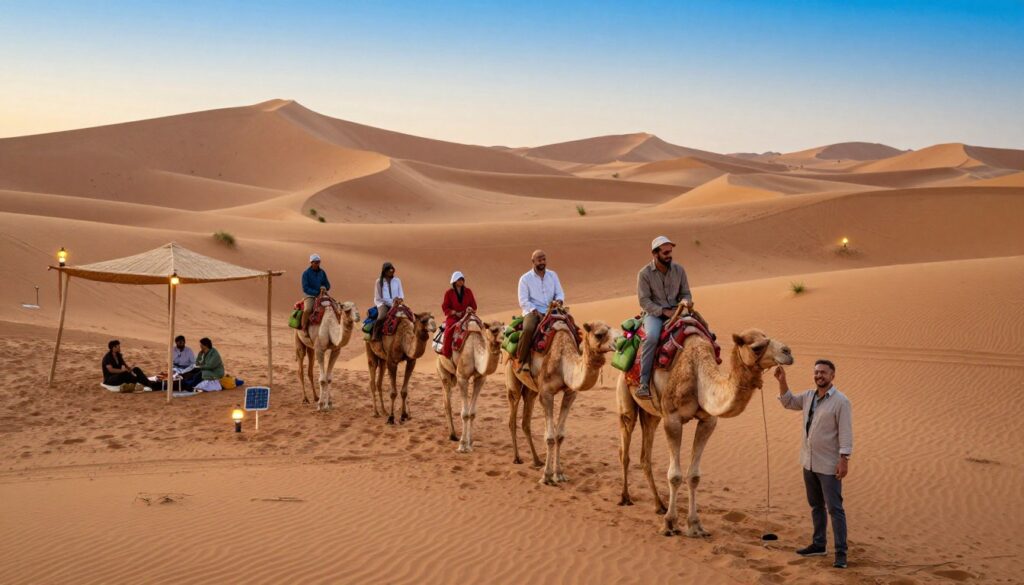
Morocco’s camel trekking adventures let us see the Sahara’s beauty while helping the environment. We must take steps to protect the land and support local people.
Environmental Protection
The Sahara Desert is very delicate and needs our care. We aim to reduce waste, save water, and protect wildlife. Choosing eco-friendly places and tours helps a lot.
Key environmental initiatives include cutting down on plastic, recycling, and using less energy. These actions help the Sahara and fight climate change worldwide.
Supporting Local Communities
Helping the Sahara isn’t just about the environment. It’s also about helping local people. By working with local guides, staying in their places, and buying local goods, we help the area grow.
- Supporting local economies through responsible spending
- Promoting cultural exchange between travelers and local communities
- Encouraging the preservation of traditional practices and customs
By following these steps, we make sure Morocco’s camel trips keep going strong. We also keep the Sahara beautiful for everyone in the future.
How to Choose the Right Tour Operator
Choosing the right tour operator is key to a great camel trekking adventure in Morocco’s Sahara Desert. With many options, it’s important to research well. This ensures a memorable and hassle-free trip.
Researching Companies
When looking for a Sahara Desert safari Morocco tour operator, check their experience and reputation. Choose companies with a good track record and many happy customers. Look for affiliations with well-known travel associations for added confidence.
Also, see what services they offer. A good tour operator should have a detailed plan, including transport, places to stay, and guides. Make sure they can customize tours to fit your needs and preferences.
Reading Customer Reviews
Reading customer reviews is a great way to judge a tour operator’s quality. Look for reviews on different sites to get a full picture. Pay attention to comments on the guides, equipment, and tour organization.
Good reviews mean a reliable and experienced operator. On the other hand, many bad reviews are a warning sign. Don’t hesitate to contact the operator for references or to ask questions. Their response can show their level of customer service.
By doing your homework and reading reviews, you can pick a tour operator that offers a safe, fun, and unforgettable Sahara Desert safari experience in Morocco.
Cost of Camel Trekking Tours
Knowing the costs of camel riding tours in the Sahara Desert is key for a fun trip. Prices vary based on the tour length, accommodations, and services offered.
When planning your camel trek, budgeting is important. Costs include transportation, meals, lodging, and the camel ride itself. Ask your tour operator for a detailed breakdown to avoid surprises.
Budgeting for Your Trip
To budget for your camel trek, think about these points:
- Duration of the tour: Longer trips cost more.
- Type of accommodations: Luxury camps are pricier than Berber tents.
- Inclusions: Some tours offer extra activities or cultural experiences.
Also, keep in mind the season you travel in, as prices change.
Inclusions and Exclusions
It’s important to know what’s included and what’s not in your tour. Usually, inclusions are:
| Service | Description |
|---|---|
| Transportation | From the meeting point to the desert and back |
| Meals | Traditional Moroccan cuisine during the trek |
| Accommodations | Either in traditional Berber tents or luxury desert camps |
| Camel Trekking | Guided camel rides through the Sahara Desert |
Exclusions might include extra activities, personal costs, or optional tours. Always check with your tour operator to know what’s included.
By planning well and knowing the costs, you can have a great time on your camel trek in the Sahara Desert.
Health Considerations for Desert Travel
When you go on camel trekking tours in Morocco, your health and safety are key. The desert’s dry air and sun can cause dehydration and sunburn. But, you can avoid these problems with the right planning and care.
Staying Hydrated
It’s very important to drink enough water in the desert. The air is dry, and you can get dehydrated fast. Try to drink 3-4 liters of water every day.
- Drink water often during the day.
- Avoid drinks with caffeine or alcohol, as they can make dehydration worse.
- Watch your urine: If it’s dark or you’re not peeing often, you might be dehydrated.
Managing Sun Exposure
The desert sun is very strong. Sunburn and heatstroke are big dangers if you don’t protect yourself well.
- Use sunscreen with a high SPF to protect your skin.
- Wear clothes that cover you, like hats and sunglasses.
- Stay in the shade when it’s hottest (usually 11 am to 3 pm).
Knowing how to handle these health issues lets you have a safe and fun camel trek in the Moroccan Sahara Desert.
Accessibility of the Sahara Desert
Planning Sahara camel treks in Morocco starts with getting to the desert. The Moroccan Sahara is easy to reach, with many ways to get there from big cities like Marrakech.
Transportation Options
There are several ways to get to the Sahara Desert:
- Private Transfers: A direct and convenient way from Marrakech or other cities.
- Public Buses: A cheaper option, but less frequent and less comfy.
- Guided Tours: Many tours include transport from Marrakech, making it easy.
Navigating Local Routes
Getting around the desert needs some knowledge. Local guides are key, as they know the area well and keep you safe.
The main desert spots, like Erg Chebbi and Erg Chigaga, are reachable by:
- 4×4 Vehicles: Needed for the rough paths to desert camps.
- Camel Treks: A traditional way to see the desert, giving a special experience.
Knowing these options and planning well makes your Sahara camel trek part of a great Moroccan trip.
Frequently Asked Questions about Camel Trekking
Many dream of camel trekking in Morocco’s Sahara Desert. Knowing the basics can make your trip better. Here are answers to common questions to help you enjoy your desert camel adventures in Morocco.
Common Queries
Travelers often ask about sahara camel trekking excursions. They want to know about tour lengths, terrain, and difficulty levels.
- Duration: Tours last from a few days to a week or more, based on the plan.
- Terrain: You’ll ride over sand dunes, rocky paths, and flat plains.
- Difficulty Level: Camel trekking is moderately hard, but guides help along the way.
| Tour Type | Duration | Terrain |
|---|---|---|
| Short Expedition | 2-3 Days | Sand Dunes, Rocky Paths |
| Extended Adventure | 5-7 Days | Diverse Terrain, Including Plains |
Travel Tips
For a great time on your desert camel expeditions in Morocco, follow these tips:
- Pack light but don’t forget essentials like comfy clothes, a hat, and sunscreen.
- Drink lots of water to stay hydrated.
- Be ready for temperature changes between day and night.
Knowing what to expect and how to prepare makes your sahara camel trekking excursions unforgettable. Whether you’re exploring Erg Chebbi or Erg Chigaga dunes, it’s an adventure you’ll never forget.
Conclusion: Unforgettable Experiences Await in the Moroccan Sahara
Start an unforgettable journey with our camel trekking tours in the Moroccan Sahara Desert. Our camel tours Morocco Sahara let you see the desert’s beauty and magic up close.
Our expert guides and detailed plans make sure you have a safe and fun trip. You’ll see amazing sunsets, try traditional Berber food under the stars, and explore Erg Chebbi’s huge dunes.
Join us for a trip that’s full of adventure, relaxation, and learning about culture. Make memories that last a lifetime as you travel through the Sahara Desert. You’ll be surrounded by Morocco’s rich heritage and stunning nature.