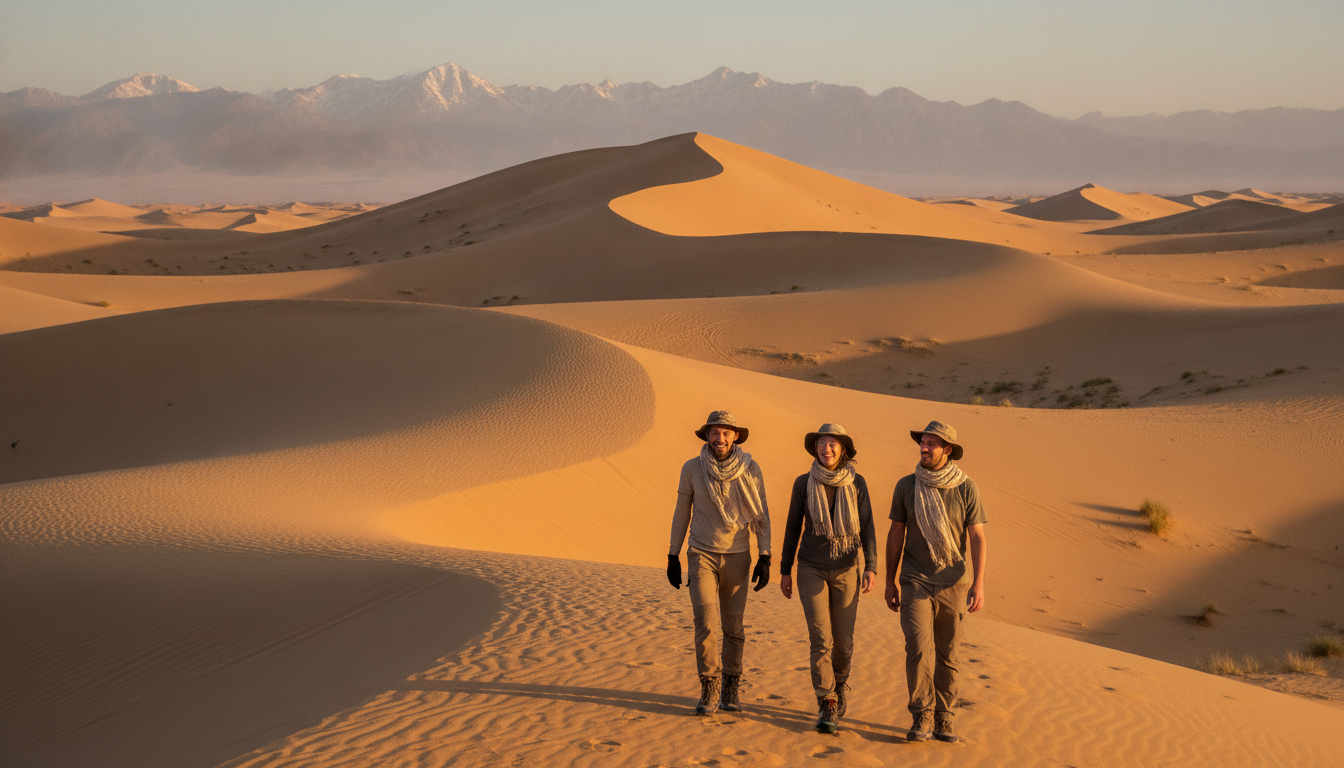
Have you ever stood amidst the golden dunes of the Sahara and felt a deep, profound connection to the earth beneath your feet? Traveling is more than just checking destinations off a list. It’s an opportunity to honor the places that welcome us. By choosing Morocco sustainable tourism, you ensure that your presence supports the vibrant culture and delicate landscapes of this North African gem.
Embracing sustainable travel experiences allows you to wander with purpose. You can protect ancient traditions while leaving a positive impact on the local communities you visit. This guide serves as your roadmap to exploring diverse regions while maintaining a minimal ecological footprint. Let us embark on a journey that values preservation as much as discovery.
Key Takeaways
- Prioritize local artisans to support the regional economy.
- Respect cultural heritage by engaging in mindful exploration.
- Reduce your environmental impact through conscious transportation choices.
- Choose accommodations that emphasize resource conservation.
- Foster meaningful connections with residents to enrich your perspective.
Understanding Sustainable Tourism in Morocco
Morocco is a great place for travelers who love adventure and care about the environment. When you plan your trip, it’s important to think about how you’ll impact the place. By choosing Morocco sustainable tourism, you help the local environment and culture.
What is Sustainable Tourism?
Sustainable tourism aims to reduce travel’s negative effects while boosting local communities. It focuses on three key areas: protecting the environment, ensuring social fairness, and supporting the economy. This way, you help keep beautiful places and historic sites safe for the future.
“The goal of sustainable travel is to leave a destination better than you found it, ensuring that the local culture and environment thrive long after you depart.”
The Importance of Sustainability in Travel
Travelers today have the power to shape the future of their destinations. By choosing sustainable travel, you support businesses that treat employees well and protect nature. This is key for keeping tourist spots healthy for the long term.
The table below shows the main differences between regular travel and sustainable travel:
| Feature | Conventional Travel | Sustainable Travel |
|---|---|---|
| Resource Use | High consumption | Efficient conservation |
| Economic Impact | Leakage to foreign firms | Direct local investment |
| Cultural Focus | Surface-level observation | Meaningful engagement |
| Environmental Goal | Profit-driven | Ecosystem preservation |
How Morocco Fits into this Concept
Morocco is working hard to make tourism more sustainable. The government supports projects to protect the Sahara, Atlas Mountains, and old medinas. This shows that Morocco sustainable tourism is a big deal for everyone.
By planning your trip with these goals in mind, you help protect Morocco. Your choices help balance economic growth with preserving the country’s unique heritage. This makes your trip more meaningful and impactful.
Top Sustainable Destinations in Morocco
Visit places that care about the environment and people’s well-being in North Africa. Eco-friendly travel Morocco lets you see old traditions meet new conservation. Your visit helps keep the area healthy for the future.
Eco-Friendly Cities to Visit
Cities like Marrakech and Chefchaouen are going green. They work on reducing waste and saving old buildings. Exploring with local guides shows you how they keep their charm while being eco-friendly.
Natural Wonders Committed to Conservation
Morocco’s landscapes, from the High Atlas to the coast, are protected. Environmental conservation tours help keep nature safe. Guided walks teach you to respect the environment, keeping it beautiful for everyone.
Traditional Villages Promoting Local Culture
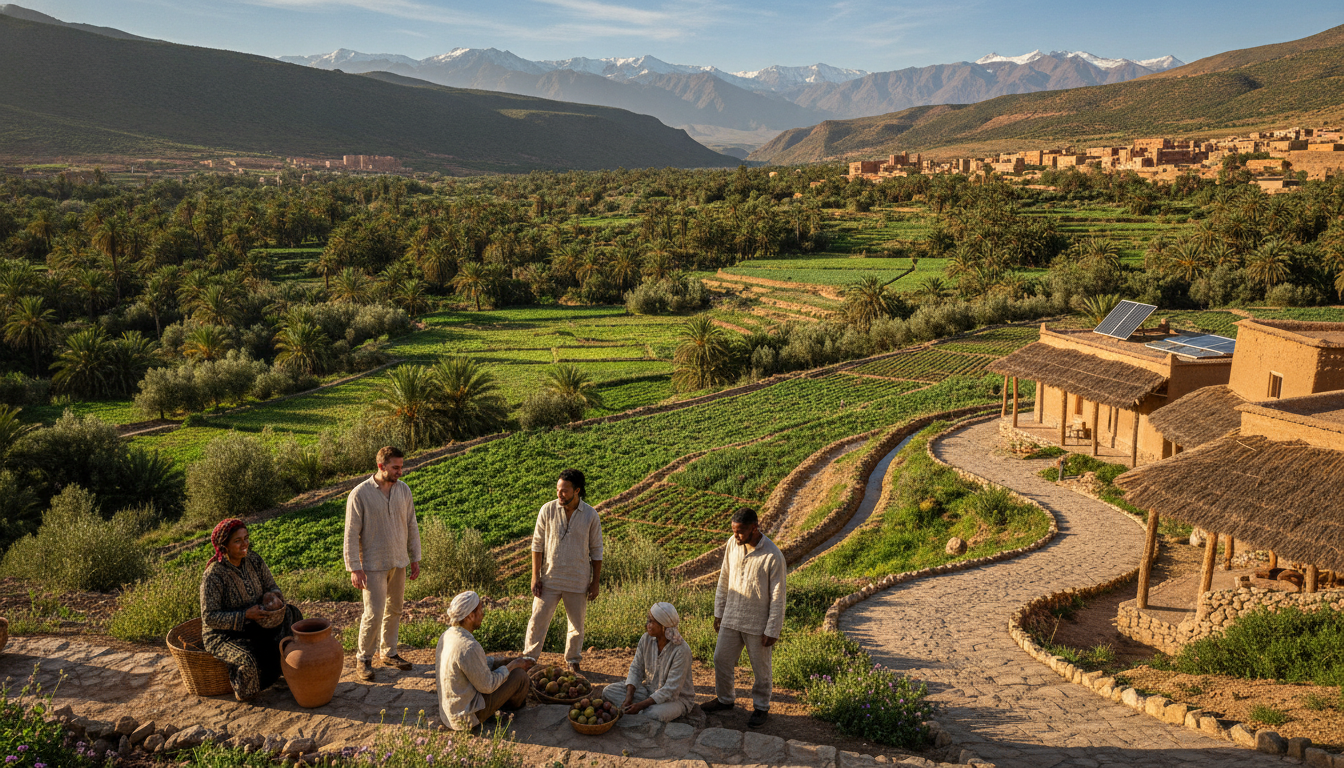
Berber villages in the Atlas Mountains live sustainably. They use old farming and crafts, which are good for the planet. Visiting these places supports local families and keeps ancient traditions alive.
| Destination Type | Primary Focus | Sustainability Benefit |
|---|---|---|
| Urban Centers | Waste Management | Reduced pollution levels |
| Mountain Regions | Biodiversity Protection | Habitat preservation |
| Coastal Areas | Marine Conservation | Healthy ocean ecosystems |
| Rural Villages | Cultural Heritage | Economic empowerment |
Responsible Travel Practices
Traveling mindfully in Morocco makes a positive impact on the environment and local communities. By traveling with purpose, you help keep the country’s culture and nature intact. This makes Morocco truly extraordinary.
Ways to Minimize Your Carbon Footprint
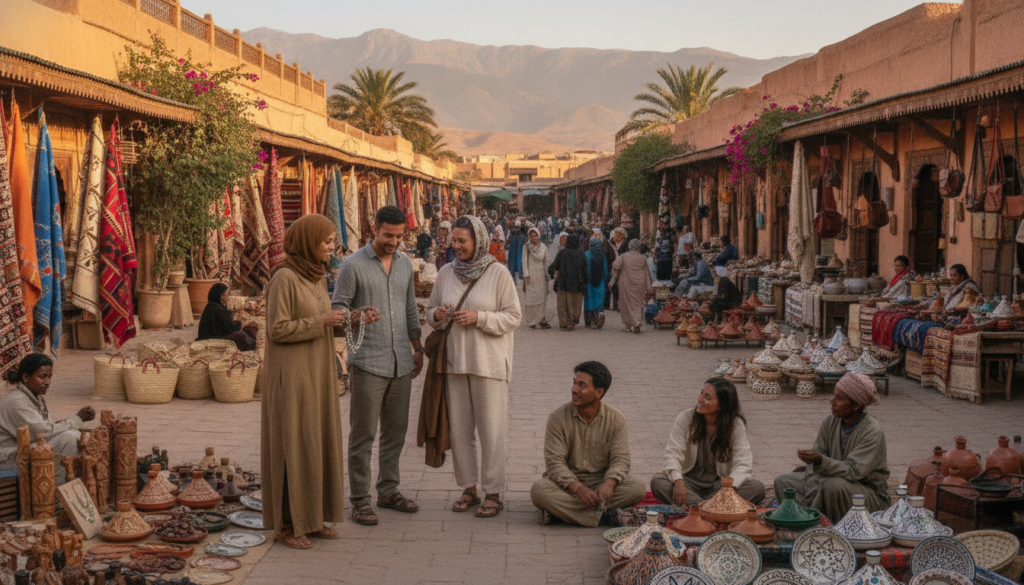
Reducing your environmental impact is key to responsible tourism Morocco. Choose shared transport or trains for city trips. This cuts down your emissions compared to driving alone.
Be careful with your resource use during your trip. Simple actions like turning off air conditioning and using a reusable water bottle help a lot. They save local resources.
Supporting Local Economies on Your Journey
Your spending choices can help local economies grow. Eating at family-run restaurants and buying from artisans keeps money in the community.
Shop at local cooperatives instead of big international stores. This supports economic stability and keeps traditional crafts alive. It’s a big part of what makes Morocco unique.
Ethical Wildlife Experiences
It’s important to follow ethical tourism practices when seeing wildlife. Avoid places that let you touch wild animals, like monkeys or snakes.
Look for nature reserves or guided tours that care about animal welfare. Watching wildlife from a distance supports conservation. It’s a kinder way to see the world.
Eco-Friendly Accommodations in Morocco
Your choice of where to stay is key to a sustainable Moroccan trip. Opting for places that care for the planet helps eco-friendly travel Morocco efforts. These spots show that luxury and caring for the environment can go hand in hand.
Green Hotels and Lodges
Many hotels in Morocco now use renewable energy initiatives. They power up with solar panels and wind energy. This cuts down their carbon footprint and keeps your stay comfy.
These lodges also use traditional materials for natural insulation. This means they need less energy for heating and cooling. Choosing these locations supports a greener tourism model.
Unique Eco-Resorts You Can Stay At
There are also unique green accommodations like boutique resorts. They use advanced water-saving systems, like greywater recycling. This is vital in dry areas where water is scarce.
These resorts also focus on reducing waste. They get rid of single-use plastics and compost organic waste. Staying here lets you enjoy a special experience while keeping your impact small.
Benefits of Choosing Sustainable Stays
Choosing sustainable places has benefits for you and the locals. These places often hire local staff, boosting the economy and giving fair wages. Your stay helps support people who work to preserve their culture.
These spots also buy food and materials from nearby farmers and artisans. This circular approach keeps your travel money in the community. By picking these places, you make your travel more meaningful and positive.
Local Culinary Experiences
Exploring Morocco’s food scene lets you dive into local traditions and green practices. Your choice of where to eat affects the environment and local businesses. Many travelers look for places that share the values of green accommodations, making their trip eco-friendly.
Farm-to-Table Dining Options
Morocco has many restaurants that focus on fresh, local ingredients. By choosing these places, you cut down on food transport’s carbon impact. Enjoying meals with fresh veggies and herbs gives you a true taste of Morocco.
Learning About Traditional Moroccan Cooking
Joining a cooking class is a great way to respect Moroccan cooking traditions. You’ll learn to make classic dishes with methods passed down through generations. These classes often work with local markets, teaching you to pick the best ingredients and support the community.
Supporting Local Farmers and Producers
Your food choices help rural farmers and producers. Eating at places that use local ingredients supports small farmers. This support is as important as choosing green accommodations. By backing local producers, you help keep traditional farming alive for the future.
Engaging with Local Communities
Connecting with Morocco’s heart means more than just seeing sights. It’s about making a genuine commitment to its people. By focusing on authentic connections, your trip becomes a meaningful cultural exchange. This way, your visit supports the dignity and traditions of the locals.
Responsible Cultural Interactions
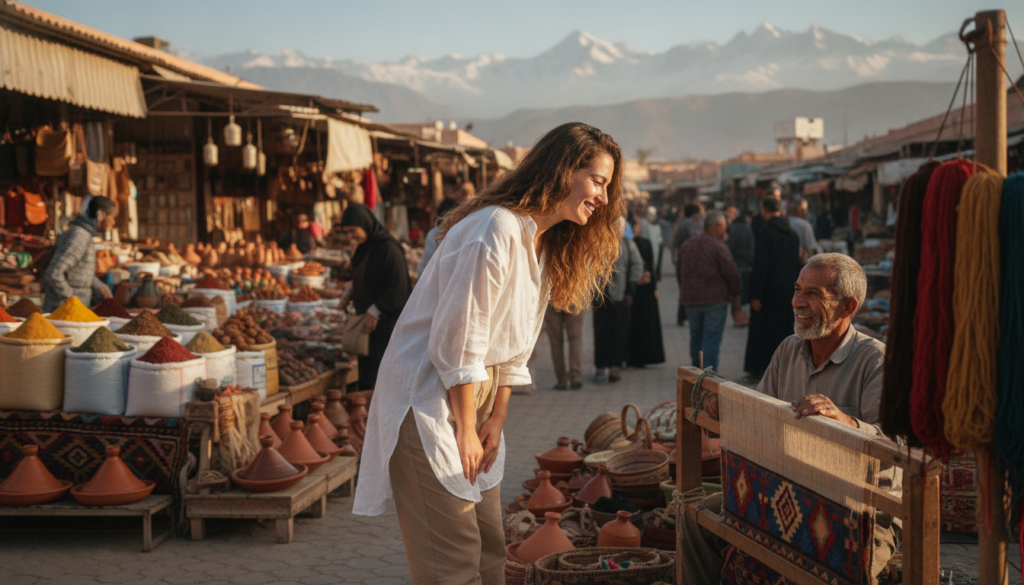
To practice responsible tourism Morocco, be humble and respectful in every interaction. Learn local customs and dress codes before arriving. Exploring with local guides gives you real insights that tourists often miss.
Always ask permission before taking photos of people or their property. Open, honest talks help break down barriers and build understanding. Your goal is to be a respectful guest, not just an observer.
Volunteer Opportunities in Morocco
If you want to give back, look for volunteer roles that focus on long-term change. Approach these with a mindset of service and learning. It’s important to work with organizations that truly meet community needs, not just what volunteers want.
Your efforts should help locals lead their own projects. Whether helping in a school or supporting a women’s cooperative, aim for sustainable impact. This way, your volunteer work leaves a lasting, positive effect on the community.
Benefits of Community-Based Tourism
Choosing local community engagement offers benefits for both you and the locals. You learn more about Moroccan traditions and help keep money in the local economy. This tourism model preserves cultural identity by valuing the heritage of the people you visit.
| Feature | Traditional Tourism | Community-Based Tourism |
|---|---|---|
| Economic Impact | Often leaks to international firms | Directly supports local families |
| Cultural Depth | Surface-level sightseeing | Immersive, authentic exchange |
| Environmental Focus | Variable | High commitment to conservation |
| Social Outcome | Minimal interaction | Empowers local residents |
Exploring Morocco’s Natural Beauty
Exploring Morocco’s wild side means we must protect its delicate ecosystems. Whether you’re crossing high mountains or walking through desert valleys, your actions matter. By joining environmental conservation tours, you help protect these vital habitats.
Hiking and Trekking in National Parks
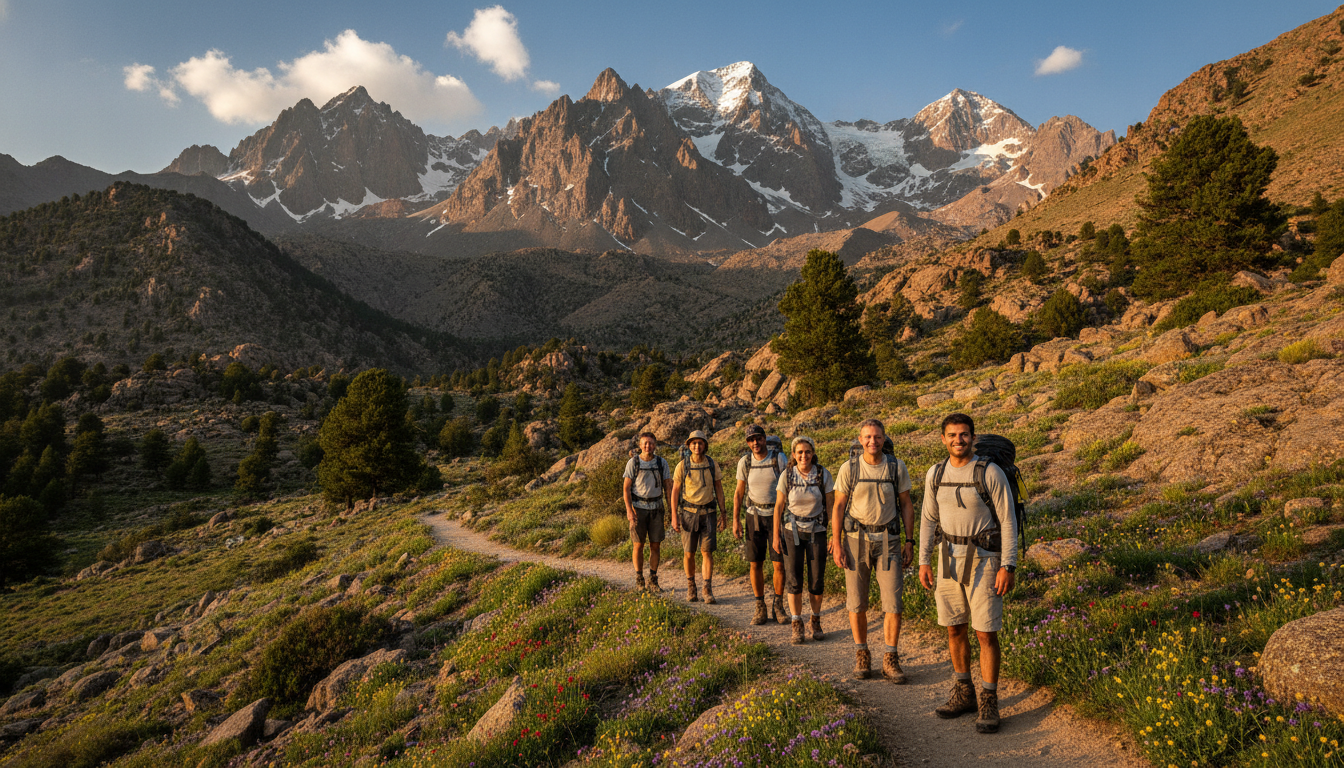
Morocco boasts stunning national parks, like Toubkal National Park, for top-notch trekking. It’s key to stay on marked paths to avoid soil erosion and protect plants. Keeping to these paths lets nature flourish without our interference.
Local guides now stress the need for sustainable trekking. They share knowledge on the area’s geology and history. They also teach how to tread lightly. Following their advice keeps these mountains in their pristine condition.
Wildlife Conservation Efforts
Morocco is home to unique species, like the endangered Barbary macaque. Wildlife conservation efforts are underway to track populations and restore habitats. Joining environmental tours lets you safely see these animals without stressing them.
These efforts need the support of responsible travelers to fund research and habitat work. By choosing tours that care for animals, you help Morocco’s biodiversity thrive. Always keep a safe distance and never feed or touch the wildlife.
Preserving Morocco’s Unique Landscapes
Preserving Morocco’s beauty is a team effort. Following Leave No Trace principles is key to keeping the Sahara dunes and coastal cliffs pristine. Always take out any trash and don’t remove rocks, plants, or historical items.
Your travel choices greatly affect the environment. By respecting the land and supporting local conservation, you help these wonders stay vibrant. Protecting these landscapes ensures future generations can enjoy the same beauty you do today.
Transportation Choices for Sustainable Travel
Your choice of transportation greatly affects the sustainability of your Moroccan trip. Choosing efficient methods helps keep the country’s beautiful landscapes intact. By following eco-friendly travel Morocco practices, you ensure your visit benefits the environment.
Eco-Friendly Ways to Get Around
Walking is the best way to see the medinas of Fez or Marrakech. For longer trips, shared transport is a good option. It reduces the number of cars on the road. These sustainable travel tips help you travel green and enjoy local life.
Understanding the Impact of Your Travel Choices
Traveling has an environmental cost, but you can lessen it. Choose rail over private cars. Morocco is investing in renewable energy initiatives for its transit, including high-speed rail. Supporting these efforts promotes green energy nationwide.
Public Transport Options for Tourists
The national rail network, operated by ONCF, is a reliable, low-emission choice. It connects major cities like Casablanca, Rabat, and Tangier. For areas not reached by trains, CTM buses are a comfortable, efficient option. Using these public networks supports responsible tourism.
| Transport Mode | Carbon Impact | Convenience | Sustainability Rating |
|---|---|---|---|
| High-Speed Train | Low | High | Excellent |
| Intercity Bus | Medium | Medium | Good |
| Private Rental Car | High | High | Low |
| Walking/Cycling | Zero | Low | Best |
Responsible Shopping in Morocco
Your shopping habits in Morocco can help support traditional craftsmanship and community growth. Exploring the medinas, you can choose to support local community engagement over mass-market items. This way, you ensure ancient techniques keep thriving for the future.
Supporting Artisans and Local Crafts
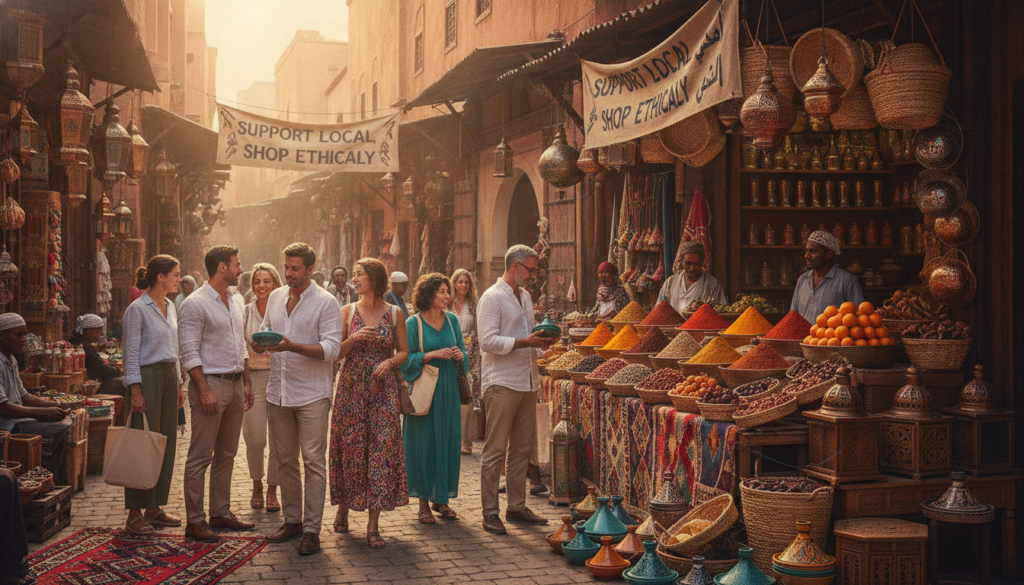
Buying directly from the creator is the best way to support the local economy. Look for workshops where artisans are at work, like weaving rugs or making copper lanterns. This personal connection means your money goes straight to the artisan, not a middleman.
Talking to creators lets you learn about the history and effort behind each piece. This is key to responsible tourism in Morocco. It helps you appreciate the cultural heritage you’re helping preserve.
Sustainable Souvenir Options
Choosing handcrafted goods over plastic souvenirs is better for the environment. Opt for items made from natural materials like wool, leather, or cedarwood. These are not only durable but also have a smaller carbon footprint than imported goods.
Buying authentic items means investing in something that lasts. This supports ethical tourism practices by reducing waste and promoting eco-friendly goods.
Fair Trade Practices in the Market
Shopping in souks requires balance in negotiation and respect for sellers’ livelihoods. Fair trade ensures artisans get a fair price for their work. Always try to find a price that feels fair to both you and the seller.
Look for shops that openly support fair wages and safe working conditions. These places often show their supply chain clearly, making it easier to shop with confidence. Even in green accommodations, ask staff for fair trade recommendations.
| Shopping Choice | Impact on Community | Sustainability Level |
|---|---|---|
| Direct from Artisan | High (Full profit to maker) | Excellent |
| Local Cooperative | High (Supports group welfare) | High |
| Mass-Produced Souvenirs | Low (Minimal local benefit) | Low |
Adventures Off the Beaten Path
Exploring off-the-beaten-path areas is key to responsible tourism in Morocco. By going beyond busy city centers, you learn more about the country’s varied landscapes and traditions. This way, your visit helps remote communities that often get overlooked by mainstream tourists.
Lesser-Known Destinations for Eco-Conscious Travelers
The Anti-Atlas Mountains offer a peaceful escape from the High Atlas’s hustle. These mountains have ancient villages where time moves slowly. You can explore Morocco’s vibrant culture with local guides who show you hidden paths and secret valleys.
Mirleft is another hidden treasure by the coast. It’s a quiet spot with stunning cliffs and clean beaches. Visiting these places helps spread out the economic benefits and reduces the pressure on busy tourist spots.
Sustainable Adventure Activities
Choosing sustainable travel experiences means picking activities that care for the environment. Low-impact trekking is a great way to explore without harming the land. Consider guided walks that focus on local plants and animals instead of motorized tours.
Cycling through the countryside is another good way to enjoy the views. These activities let you move slowly and connect with nature. Always pick an adventure operator that follows strict environmental rules to protect the areas you visit.
Respecting Nature and Local Cultures
Following ethical tourism practices is vital when visiting remote places. Always ask before taking photos of locals or their homes. Respecting their privacy and cultural ways is key for a mindful traveler.
Also, take out all your trash and avoid single-use plastics. Small, thoughtful actions help keep these untouched areas beautiful for the future. By being a respectful guest, you help create a positive cycle of respect.
| Feature | Popular Hubs | Hidden Gems |
|---|---|---|
| Crowd Levels | High | Low |
| Cultural Impact | Commercialized | Authentic |
| Environmental Stress | Significant | Minimal |
| Economic Benefit | Concentrated | Distributed |
The Role of Technology in Sustainable Tourism
Transform your journey through Morocco with smart tools for the modern explorer. Digital innovation connects your adventure with environmental protection. By using these tools, your sustainable travel experiences stay true and meaningful.
Apps for Eco-Friendly Travelers
Mobile apps are key for those wanting to reduce their environmental impact. Use carbon footprint calculators to track your travel’s effect. Apps also show eco-certified places, focusing on energy and waste reduction.
These digital tools give you sustainable travel tips anytime. Find plastic-free food and water stations with your phone. Your smartphone guides you to make responsible choices in Morocco.
Online Resources for Sustainable Choices
Online platforms offer insights into ethical tourism. Look up travel blogs and databases that check tour operators’ commitment to conservation. They highlight businesses that support local communities.
Researching your trip helps you avoid fake eco-friendly claims. Read reviews from other travelers to see which services respect local culture. This step is key to making a positive impact.
Connecting with Like-Minded Travelers
Technology creates a global community for sharing knowledge and inspiration. Social media groups and forums are great for exchanging tips on meaningful exploration. You can find places that match your values.
These platforms help with local community engagement through shared experiences. Look for groups doing clean-ups or cultural events. Stay connected to join a movement of travelers preserving Morocco’s beauty.
Future of Sustainable Tourism in Morocco
The travel world is moving towards caring for our planet and its people. Morocco is leading this change by making green practices a key part of its tourism. This shift is exciting and important for the future.
Emerging Industry Trends
There’s a growing trend of tours that focus on saving the environment. These tours let you see the beauty of the Atlas Mountains and Sahara Desert without harming them. By choosing to explore Morocco’s vibrant culture with local guides, you support a movement that values real experiences over big crowds.
Government and Energy Progress
The government is pushing for more use of renewable energy to power tourism. Solar farms and wind projects are popping up everywhere. This shows that luxury and being green can go hand in hand. Your visit helps make Morocco’s future brighter and cleaner.
Your Role in Shaping Change
Your choices as a traveler are very powerful in shaping Morocco’s sustainable tourism. Every time you book with a responsible company, you send a strong message. This encourages others to follow suit. By picking the right providers, you help ensure Morocco remains a wonderful place for years to come.