Have you ever stood at the edge of a vast horizon, feeling the quiet power of ancient peaks calling your name? Trekking through the Atlas Mountains is more than just a physical challenge. It’s a deep dive into Moroccan culture. You’ll walk through hidden valleys where time seems to stand perfectly.
Many travelers pair these rugged mountains with a Sahara desert tour from Marrakech. This mix of high-altitude hiking and desert warmth is perfect. This guide is your essential roadmap for these trails.
Whether you’re an experienced climber or a curious adventurer, these mountains offer a unique view of life. Get ready to dive into local traditions and stunning views that will last long after you return.
Key Takeaways
- Discover the best routes for trekking the majestic Atlas range.
- Learn how to integrate a Sahara desert tour from Marrakech into your travel plans.
- Master the art of balancing high-altitude exertion with cultural exploration.
- Gain expert tips on packing and preparation for diverse Moroccan climates.
- Understand the importance of respecting local customs while navigating remote mountain villages.
Overview of the Atlas Mountains Trekking Experience
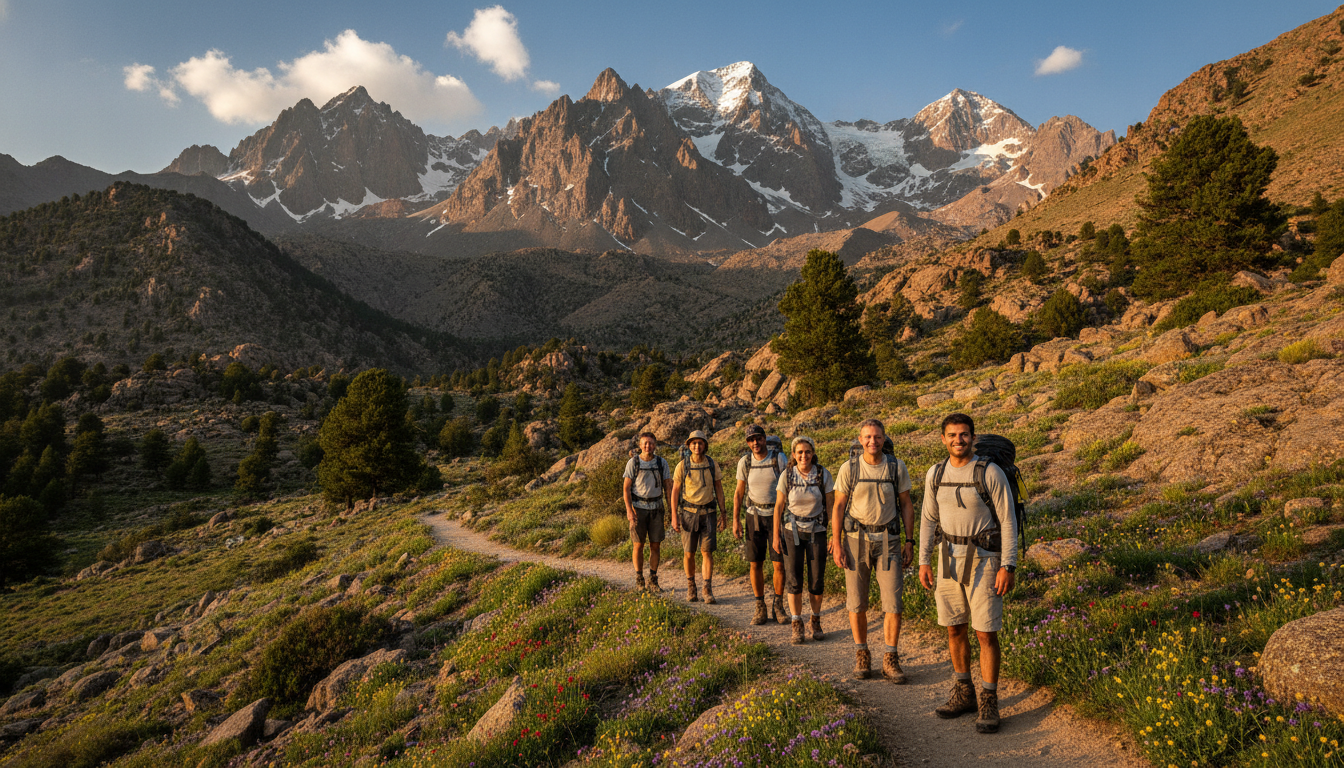
If you’re planning a trip to Morocco, the Atlas Mountains are a must-see. This vast mountain range covers the country, with landscapes that vary from green valleys to snowy peaks. Trekking here is challenging but offers life-changing experiences for those seeking true mountain adventures.
What to Expect on Your Trek
On the trails, you’ll find rocky paths, mountain passes, and Berber villages. The high altitude demands a steady pace. The rugged beauty prepares you for other adventures, like Sahara desert tours from Marrakech.
Trekking Seasons: When to Go
Choosing the right time for your Morocco travel is key. Spring, from March to May, has nice weather and blooming landscapes. Autumn, from September to November, is great for trekking with stable weather and clear skies.
Benefits of Trekking in the Atlas Mountains
Trekking here boosts your physical and mental health. It strengthens your heart and clears your mind. You’ll also learn about local communities and nature’s power.
This experience gives you a sense of achievement that lasts. Whether you’re experienced or new to hiking, the Atlas Mountains are a highlight of Morocco travel.
Preparing for Your Trekking Adventure
Going on a trek in the Atlas Mountains is more than just a fun trip. You need to prepare well to have a safe and fun journey. Getting your body ready and packing the right stuff is key for a great adventure travel Marrakech trip.
Physical Conditioning for Trekking
Trekking in the mountains needs a lot of stamina and strong legs. Start training at least three months before you go. Work on your heart health and leg strength to tackle the steep paths.
Here are some exercises to add to your week:
- Hiking with a weighted pack: Start with light weights and add more as you get stronger.
- Stair climbing: This is great for your legs and helps with the ups and downs.
- Core stability training: A strong core helps you stay balanced on uneven ground.
- Long-distance walking: Walk for two to four hours to build up your endurance.
Essential Gear and Equipment
The right gear is important for your comfort and safety. You need things that can handle the changing weather and rough terrain. Good quality gear helps avoid problems like blisters and getting tired easily.
Make sure to pack these important items:
- Sturdy trekking boots: Make sure they fit well before you go to avoid foot pain.
- Moisture-wicking base layers: These keep you cool when you’re active.
- Reliable navigation tools: Even with guides, a map and compass are a good idea.
- Trekking poles: They help with balance and ease the strain on your knees.
What to Pack for Your Trek
Packing right is key for adventure travel Marrakech. You want to carry only what you need to stay safe and clean. Choose items that can be used in more than one way.
| Category | Essential Item | Purpose |
|---|---|---|
| Clothing | Down Jacket | Keeps you warm at night |
| Health | First Aid Kit | Fixes small cuts and blisters |
| Hydration | Water Purification | Makes sure your water is safe to drink |
Don’t forget to pack sunscreen and sunglasses for the strong sun. Keep your important papers and emergency contacts in a waterproof bag. With these steps, you’ll be ready to take on the trails with confidence.
Choosing the Right Trekking Route
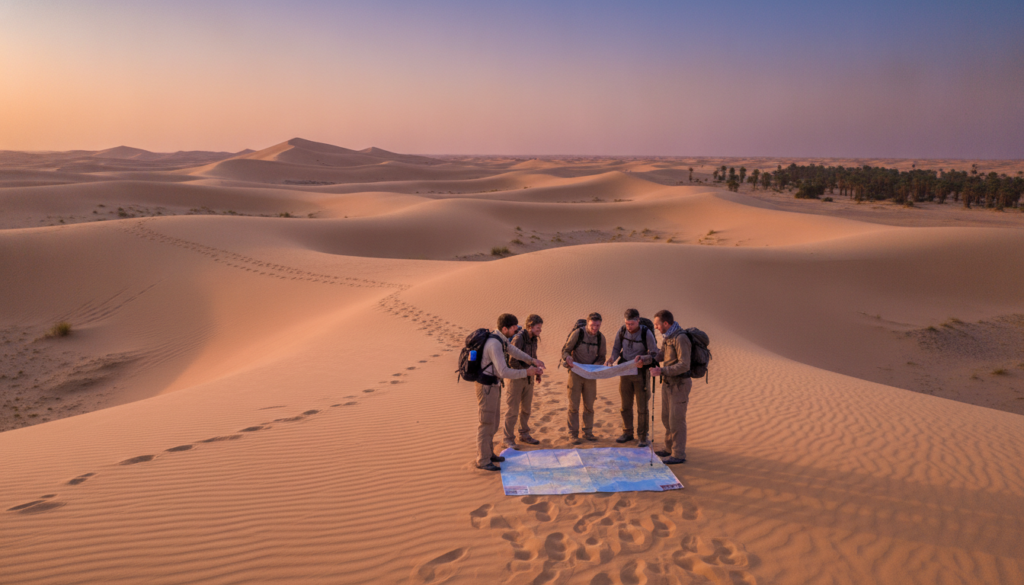
Choosing the right trekking route is key to a great mountain journey. It’s like picking the best desert tours for after your trek. Your trail choice affects your adventure’s pace. Make sure it fits your fitness and experience for a safe, enjoyable trip.
Easy Treks for Beginners
The Atlas Mountains have gentle paths perfect for beginners. These trails offer beautiful views without being too hard. They’re well-marked and have shorter walks each day. This way, you can enjoy the local culture while feeling comfortable.
Intermediate Treks for Enthuasiasts
Intermediate routes are great for those with some hiking under their belt. They offer a good challenge with longer walks and rougher terrain. You’ll face steeper climbs, but the views are worth it. Many hikers use these trails as a prep for their Sahara desert adventure from Marrakech.
Challenging Routes for Experienced Hikers
For experienced hikers, the Atlas Mountains offer thrilling peaks and technical climbs. These routes need advanced navigation skills and top physical shape. Picking the right path is critical, as these trails require respect and careful planning. They offer a true test of endurance and solitude in North Africa.
Guided Tours vs. Solo Trekking
Your choice for adventure travel Marrakech depends on whether you like a guide or going solo. Both ways let you see the Atlas Mountains’ beauty. But, they need different plans and safety steps.
Advantages of Guided Tours
Choosing a guided tour gives you invaluable peace of mind. It’s great if you’re new to high-altitude hiking. Guides take care of everything like permits and meals.
Guides also share deep cultural insights. They connect you with Berber communities. They help you understand local customs and language.
Tips for Solo Hiking
If you hike alone, you need to be self-sufficient and well-planned. Carry a good GPS and maps. Mountain weather can change fast, making trails hard to find.
Make sure to tell someone your plans before you go. Respecting local rules is key. Some places need a guide for safety, so check before you go.
How to Choose a Guide
Finding the right guide for your adventure travel Marrakech is important. Look for guides with official certifications from the Moroccan Mountain Guide Association.
Ask about their experience with your planned route. Clear communication shows they’re professional. A good guide will talk about your fitness, diet, and safety before you start.
Cultural Experiences Along the Trek
Exploring the hidden villages of the Atlas Mountains is a key part of any Morocco travel journey. As you walk the paths, you’ll see landscapes that have shaped the Berber people’s lives for centuries. Meeting these communities gives you a unique look into a lifestyle of resilience, hospitality, and tradition.
Meeting Local Berber Communities
The Berber people, or Imazighen, are known for their warmth and generosity. When you visit remote mountain hamlets, you’ll likely be greeted with a smile and an offer of tea. It’s important to be respectful and humble to honor their customs.
Always ask for permission before taking photos of people or their homes. Learning a few basic phrases in Tashelhit or Darija can help you connect with your hosts. This genuine connection makes your time in the mountains unforgettable.
Traditional Moroccan Cuisine to Try
After hiking all day, nothing beats the comfort of local food. Try a traditional tagine, a slow-cooked stew in a conical clay pot. The mix of tender meat, seasonal veggies, and spices is uniquely Moroccan.
Don’t miss fluffy couscous, often served with veggies and chickpeas. Enjoy fresh mint tea, a symbol of friendship and hospitality in Morocco. If you’re planning a broader Morocco travel trip, these dishes will be a highlight.
Festivals and Events in the Region
Timing your trek for local festivals adds cultural depth to your adventure. Many events are tied to the agricultural calendar or historical milestones. For example, the Imilchil Marriage Festival showcases local music, dance, and courtship rituals.
Harvest festivals celebrate the land’s bounty with colorful attire, drumming, and feasts. Joining these events lets you see the Atlas Mountains’ living history.
| Experience Type | Key Highlight | Cultural Significance |
|---|---|---|
| Berber Hospitality | Mint Tea Ceremony | Symbol of welcome and peace |
| Local Cuisine | Vegetable Tagine | Traditional slow-cooking method |
| Regional Festivals | Imilchil Festival | Celebration of heritage and union |
| Artisan Crafts | Hand-woven Rugs | Preservation of ancestral patterns |
Safety Tips for Your Trekking Journey
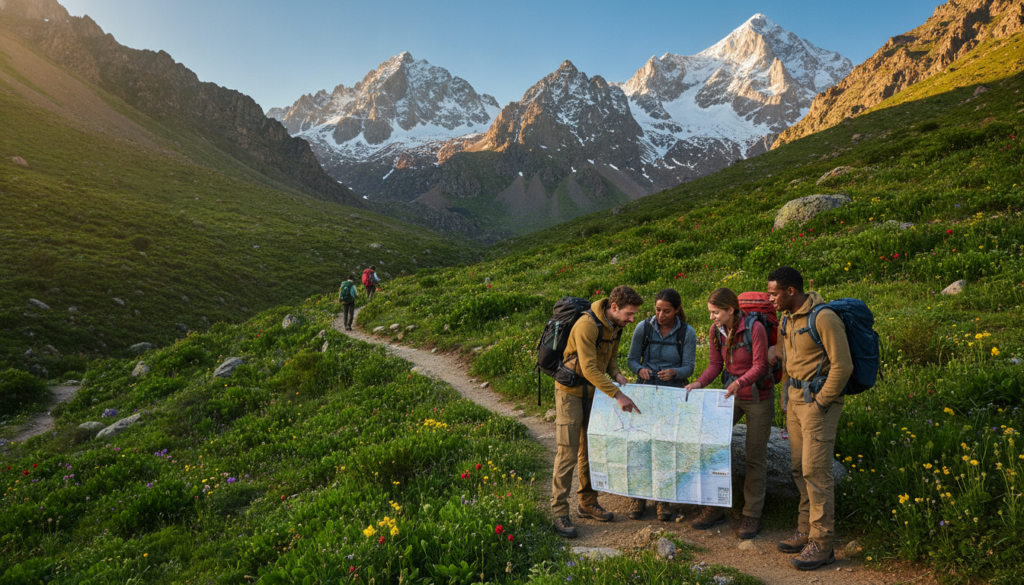
Keeping safe is key to a great mountain adventure. Trekking at high altitudes means always being alert and taking care of your health. By respecting nature and your limits, you can enjoy the views without worry.
Staying Safe on the Trails
Your health is the base of a good trek. It’s important to listen to your body and watch for signs of tiredness or sickness. Walking at a steady pace helps your body adjust to the thin air.
- Drink lots of water all day, even if you’re not thirsty.
- Wear good, broken-in shoes to avoid blisters and support your ankles.
- Always trek with a friend or a guide for help if needed.
- Carry a basic first-aid kit with bandages, wipes, and blister treatments.
Navigating Weather Conditions
The weather in the Atlas Mountains can change fast. It can go from sunny to cold and windy quickly. Always check the weather forecast before you go.
Wearing layers is the best way to handle changing weather. Start with moisture-wicking clothes, add insulating layers, and keep a waterproof jacket in your pack. If it gets too bad, find shelter or change your Sahara desert adventure plans if you’re going later.
Emergency Procedures and Contacts
Being prepared is your best defense. Make sure you have a way to communicate and tell your guide about your health. Knowing what to do in an emergency helps you stay calm and get help fast.
Keep emergency contacts in a waterproof bag, including local rescue services and your embassy. Always tell your accommodation where you’re going and when you’ll be back. If you’re in trouble, stay calm, stay visible, and use your whistle or signal to get help.
Environmental Considerations
Your trip through Morocco’s wilderness is a chance to care for the environment. Every step you take affects the local ecosystem. By being mindful, you help keep the Atlas Mountains beautiful for future generations.
Responsible Trekking Practices
Practicing responsible trekking means caring for the environment and local people. Stay on trails to avoid harming the soil and plants. Also, supporting local guides and businesses helps protect the area.
Here are some key habits for your trek:
- Dispose of non-biodegradable waste properly.
- Use eco-friendly soaps and detergents near water.
- Respect local traditions and avoid disturbing villages.
Wildlife and Conservation Efforts
The Atlas Mountains are home to unique wildlife, like the endangered Barbary macaque. Conservationists work hard to protect these areas from humans and climate change. By watching wildlife from afar and not feeding them, you help their natural behavior.
“The wilderness is not a place that we visit, but a home that we must protect with every action we take.”
Leave No Trace Principles
Following the Leave No Trace principles is key for outdoor lovers. Whether you’re exploring high passes or camping in the Sahara desert, aim to leave nothing behind. This approach helps preserve the beauty of the desert and mountains.
Remember, your visit should be temporary and unobtrusive. By taking your trash with you, respecting wildlife, and not damaging the soil, you help ensure a sustainable future for Moroccan tourism. Your dedication to these principles makes you a conscious traveler.
Highlighted Trekking Itineraries
Finding the right path in the Atlas range is like picking the perfect Sahara camel trek for your desert trip. A well-planned route lets you enjoy the stunning views without worrying about getting lost. We’ve picked out some top routes to help you explore Morocco’s rugged beauty confidently.
Classic 3-Day Trekking Itinerary
The classic three-day trek is perfect for those short on time. It starts in Imlil, taking you through Berber villages. This route is highly recommended for its mix of challenge and cultural experience.
Day two takes you up to the Toubkal refuge, where the air thins and views expand. The final day offers a summit climb or a scenic return to the valley. It’s a fulfilling journey that shows the mountains’ beauty.
Customizable Options for Advanced Hikers
For those seeking more, the mountains have endless trails beyond the usual paths. You can plan a week-long journey through various valleys. These paths require advanced navigation skills and more fitness.
Experienced hikers often tackle remote passes that stay snowy into spring. Tailoring your trip lets you explore hidden areas and quiet trails. This freedom is truly liberating for seasoned adventurers.
Family-Friendly Trekking Options
Trekking in the Atlas Mountains isn’t just for athletes. There are many easy paths for families to enjoy nature at their pace. These routes stay at lower altitudes, keeping everyone comfortable and energized.
Pair these walks with best desert tours for a diverse Moroccan trip. Local guides will teach your kids about the area’s plants and animals. It’s a great way to make lasting memories while exploring outdoors together.
Recommended Accommodation Choices
Choosing the right base camp can make your journey special. It’s not just about trekking; it’s about immersing yourself in local culture. Where you stay affects your comfort and how close you get to the Atlas Mountains’ traditions.
Camping vs. Guesthouses
Deciding between camping and staying in guesthouses is a personal choice. Mountain guesthouses, or gites, offer a peek into Berber life. You’ll enjoy meals made by locals and get to know families in a welcoming setting.
Camping lets you sleep under the stars. It’s perfect for those who love freedom and want to avoid distractions. You can wake up right where the trail starts.
Top Hotels Near Trekking Routes
After trekking, many seek comfort in luxury hotels. Near the mountains’ base, you’ll find hotels that mix traditional and modern styles. These places are great for relaxing and thinking about your journey.
Staying in a fancy hotel means you get to enjoy spas, pools, and fine dining. These places help you smoothly transition from the mountains to the city. They make coming back to civilization a pleasure.
Unique Stays for Experience Seekers
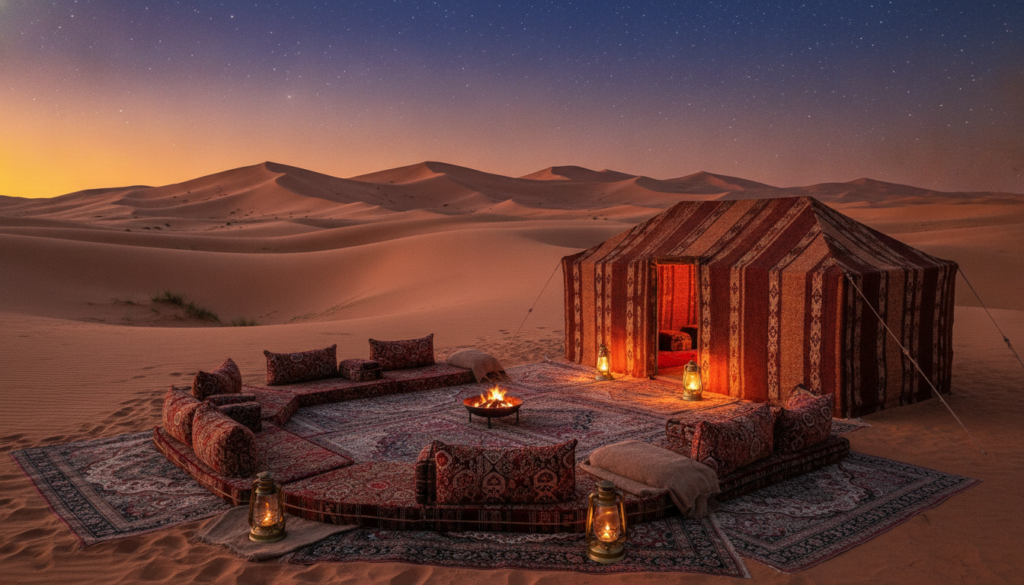
For a unique experience, try Sahara desert camping. It’s a beautiful contrast to the Atlas Mountains. You’ll enjoy the quiet of the dunes with top-notch amenities.
Also, look for boutique riads for personalized service and cultural workshops. These places are for those who want to dive deep into local traditions. Whether it’s a tented camp or a historic riad, your stay will be unforgettable.
| Accommodation Type | Best For | Comfort Level | Cultural Immersion |
|---|---|---|---|
| Mountain Guesthouse | Budget & Culture | Moderate | High |
| Wild Camping | Adventure Seekers | Low | Medium |
| Luxury Hotel | Post-Trek Recovery | High | Low |
| Desert Camp | Unique Experiences | High | High |
Post-Trek Activities and Tour Extensions
Your Moroccan adventure doesn’t end when you leave the mountains. Marrakech, with its vibrant city life, is the perfect place to relax and dive into local culture. The contrast between the mountains and the city is truly unforgettable.
Exploring Marrakech: Top Attractions
Marrakech is a feast for the senses. Start at Jemaa el-Fnaa square, where you’ll find storytellers, musicians, and food vendors. For a calm moment, visit the Majorelle Garden to see its beautiful plants and blue buildings.
Don’t miss the Koutoubia Mosque, a key landmark in the city. The Bahia Palace shows off Moroccan royal craftsmanship. These spots offer a relaxing and culturally rich way to spend your days after trekking.
Day Trips to the Sahara Desert
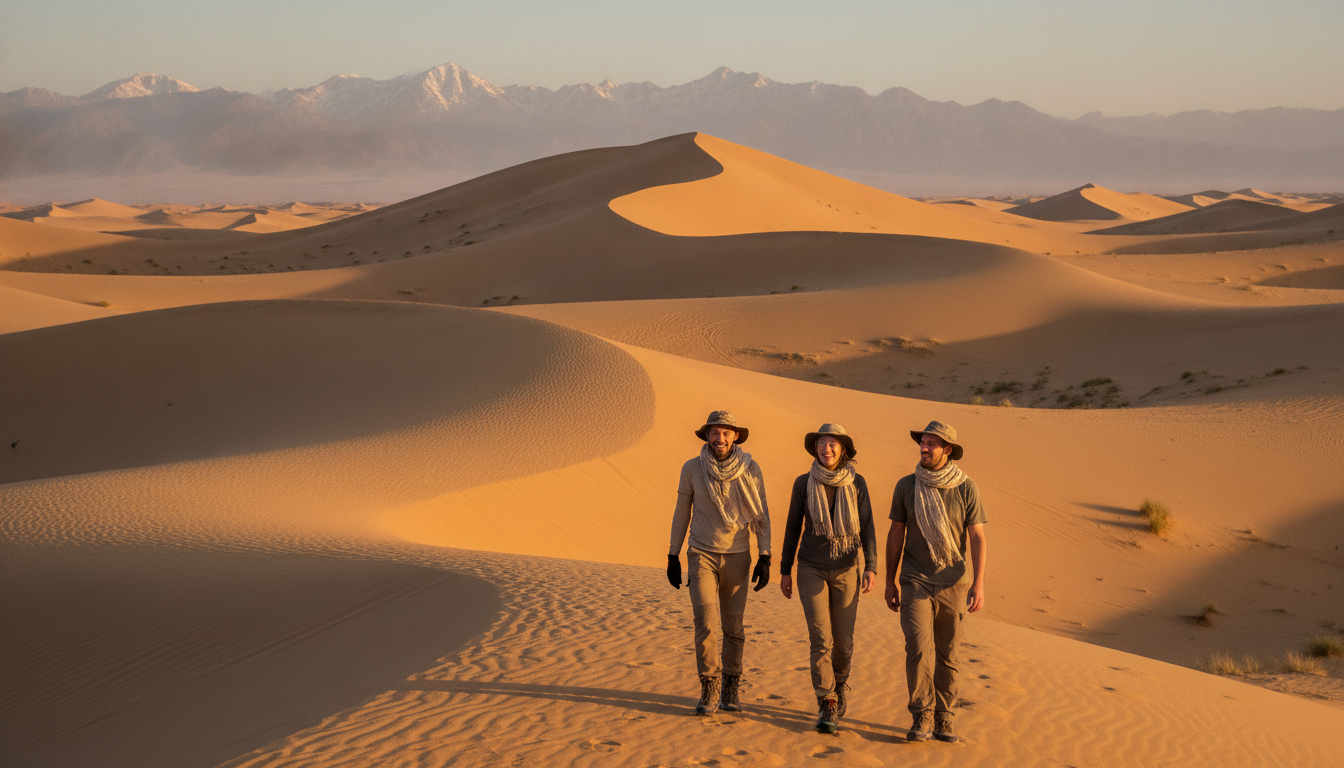
For more adventure, consider a Sahara desert tour from Marrakech. These trips go through the Atlas passes and into the golden dunes. You can pick from short overnight trips to longer, more immersive journeys.
A Marrakech desert excursion lets you see the sunset over the dunes on a camel. Many look for luxury glamping under the stars. These tours smoothly move from mountain wilderness to desert beauty.
Cultural Experiences Beyond the Trek
Explore local traditions beyond the big sights. A traditional hammam is a highly recommended way to relax after hiking. It leaves you feeling refreshed for the medina’s alleys.
Shopping in souks lets you find unique crafts and spices. A cooking class teaches you how to make authentic tagines. These activities make your Moroccan time both educational and adventurous.
| Activity Type | Duration | Intensity Level | Primary Focus |
|---|---|---|---|
| City Sightseeing | 1-2 Days | Low | History & Culture |
| Desert Expedition | 2-3 Days | Moderate | Nature & Adventure |
| Wellness Hammam | 3-4 Hours | Very Low | Relaxation & Recovery |
| Cooking Workshop | Half Day | Low | Culinary Arts |
Trekking Essentials and Resources
Getting ready for a trek in the Atlas Mountains is key to a great experience. Knowing what to do helps you stay safe and confident. Whether you’re going on a four-day trek in the Sahara desert or a high-altitude climb, being prepared is essential.
Recommended Books and Guides
Good guidebooks give you a deep understanding of the area and its culture. Look for ones with detailed maps and historical context about Berber villages. These are great when you need to find your way without a phone.
Carrying a small phrasebook is also a good idea. Learning basic Arabic or Tamazight can help you communicate. For more travel ideas, check out Sahara desert tours from Marrakech to add to your mountain trip.
Useful Mobile Apps for Trekking
Today’s technology offers great tools for trekking. Offline GPS apps are essential for navigation in places without cell service. They let you download maps before you go, so you won’t get lost.
Weather apps are also key for your safety. They give you updates on temperature and wind changes, which are common at high altitudes. Always carry a portable charger to keep your devices charged.
Online Communities for Trekking Enthuasiasts
Talking to other adventurers can give you insights you won’t find in books. Online forums and social media groups are great for asking about trails and gear. You can learn from others who have done the same routes.
These groups also talk about sustainable travel and ethical tourism. Joining them helps you connect with a global community of hikers who care about preserving nature. Here’s a quick guide to the resources you should look into for your trip.
| Resource Type | Primary Benefit | Best For |
|---|---|---|
| Topographical Maps | Reliable navigation | Remote trail safety |
| GPS Mobile Apps | Real-time tracking | Route management |
| Online Forums | Community advice | Planning and logistics |
| Language Guides | Cultural connection | Local interactions |
Sustainable Trekking Initiatives in the Atlas Mountains
Keeping the Atlas Mountains beautiful is a big responsibility. Your actions affect the environment and the lives of Berber communities. By choosing eco-friendly options, you help keep these places alive for others to enjoy.
Help local economies by hiring guides and buying crafts from artisans. Respect local ways and reduce plastic use. This keeps the mountains healthy. When you plan your Sahara tour from Marrakech, pick operators who care about the environment.
Protecting Fragile Ecosystems
Wildlife and water are vital in the mountains. Follow the leave no trace rule by taking all trash and staying on trails. Saving water and energy in camps also helps.
Empowering Local Communities
Connecting with Berber traditions is rewarding and helps the economy. Join tea ceremonies or visit cooperatives to learn about crafts. Your visit supports growth and care for Morocco’s environment.