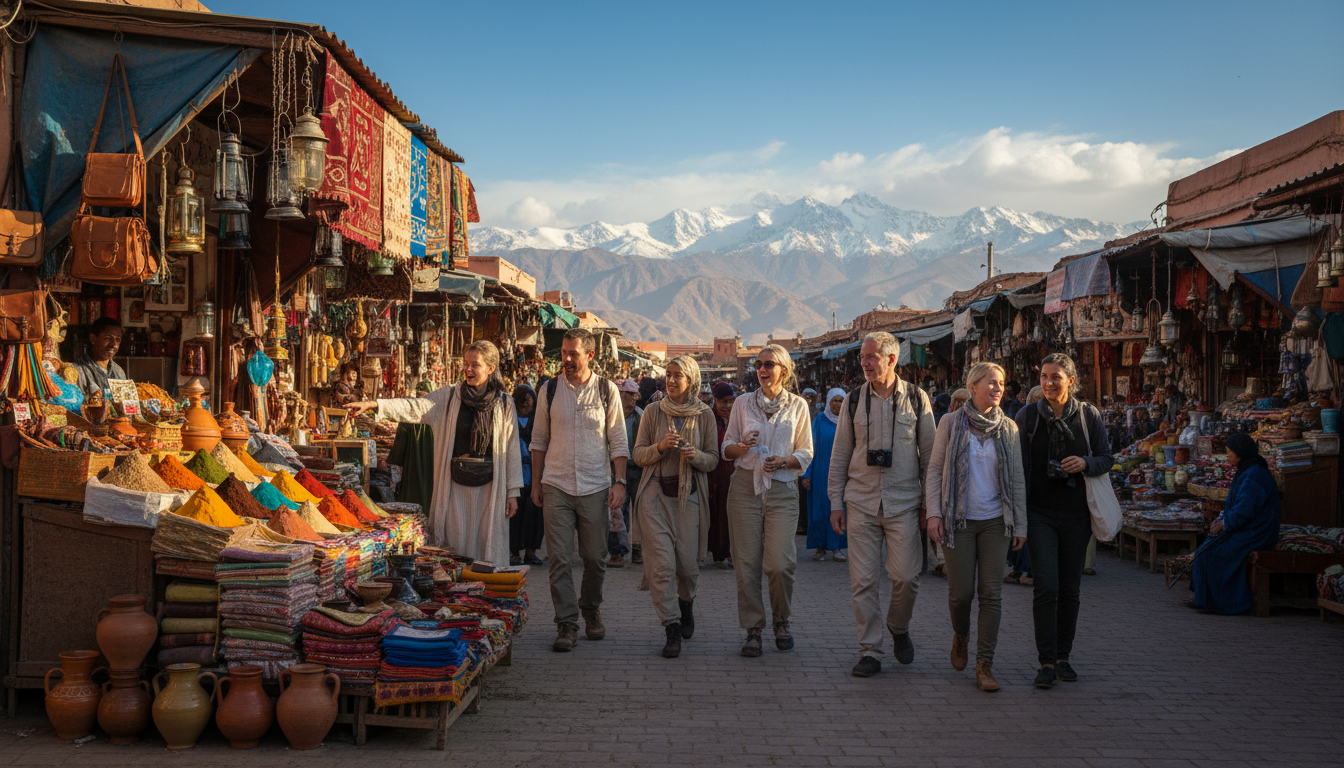
Imagine walking through ancient alleys where the scent of saffron fills the air. Vibrant rugs line every wall. You can almost hear the distant call to prayer as the sun sets over the red city. This dream becomes a reality when you take the time to prepare properly for your adventure.
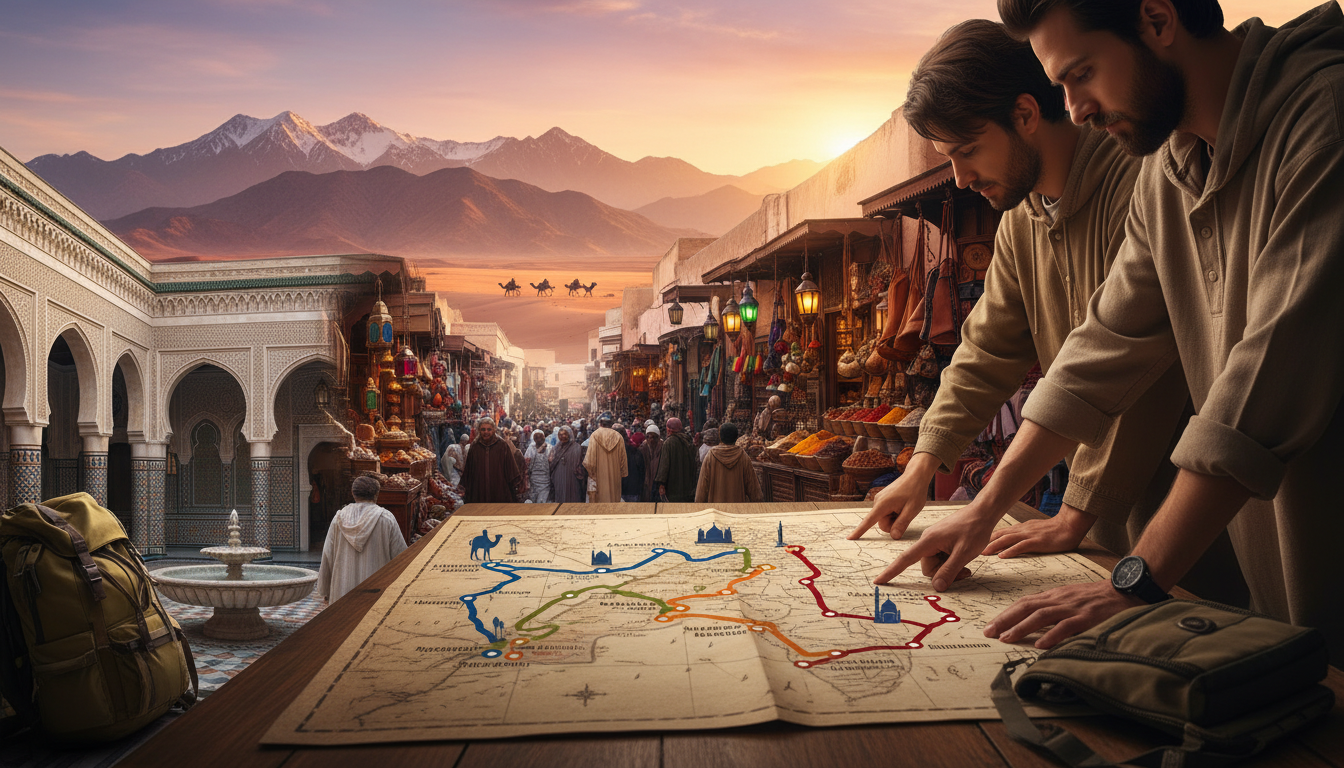
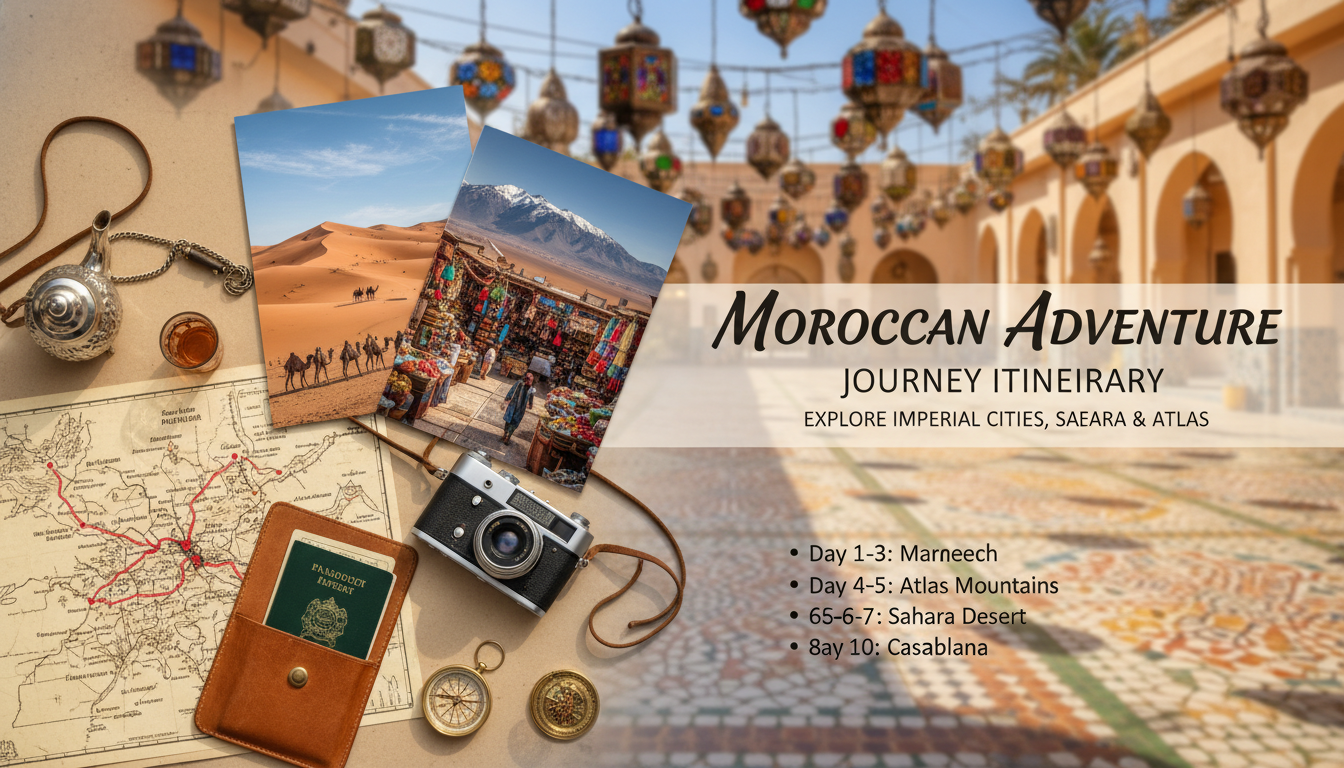
Creating an itinerary morocco requires careful thought. You want to see the best sights without feeling rushed. Whether you want to visit the Atlas Mountains or sleep under the stars, a solid plan is essential. For personalized assistance, call +212 663 505 686 to start planning your trip with experts.
Many travelers find that the best way to plan a Morocco 2-week involves balancing popular cities with hidden gems. You should consider visiting places like Marrakech or Fes during the mild spring months for the best experience. These regions offer a unique look into a culture that has thrived for centuries.
Every detail you organize now ensures a smoother and more meaningful journey later. Using a professional guide can help you find off-the-beaten-path locations you might miss. Follow our advice to build a perfect itinerary morocco that meets all your travel goals.
Overview of Morocco’s Must-See Destinations
Morocco is full of life, from Marrakech’s busy streets to the calm Sahara. When you plan your Morocco travel, you’ll find many cities to explore. You’ll also dive into the country’s deep cultural roots.
Major Cities to Explore
Morocco has cities filled with history and culture. Marrakech is a top spot, known for its lively souks and beautiful buildings. Fez, the old capital, has medieval architecture and is a center for traditional crafts. Rabat, the current capital, mixes modern and historical sights.
For more tips on planning your trip, check out our guide on how many days in Morocco.
Cultural Highlights to Experience
Morocco’s culture is rich and varied. You can see places like the Bahia Palace in Marrakech or the Roman Ruins of Volubilis. The food is also a big highlight, with dishes like tagine and couscous. Try to experience the local culture by attending a festival or visiting a market.
Crafting Your Perfect Itinerary in Morocco
To truly experience Morocco, plan an itinerary Morocco that mixes culture, nature, and adventure. Morocco has a lot to offer, from Marrakech’s lively streets to the peaceful Sahara Desert.
When planning your trip, think about how long you’ll stay and how to see both Morocco’s natural beauty and its rich culture.
How Many Days to Spend
The perfect trip length in Morocco depends on your travel style and goals. For a quick visit, 7-10 days can give you a taste of the main cities and cultural spots.
If you want a deeper experience, plan for 14-21 days. This lets you explore off the beaten path, visit remote villages, and see the country’s varied landscapes.
| Duration | Highlights | Experiences |
|---|---|---|
| 7-10 days | Major cities like Marrakech and Fez | Cultural landmarks, bustling markets |
| 14-21 days | Remote villages, diverse landscapes | Exploring beyond tourist centers, natural beauty |
Balancing Nature and Culture
Morocco blends nature and culture beautifully. Spend your time between city adventures and natural explorations.
Nature fans will love the Atlas Mountains and Sahara Desert for their stunning views and outdoor activities. Culture buffs can explore ancient medinas, museums, and festivals to learn about Morocco’s history and traditions.
For expert advice on your itinerary Morocco, call +212 663 505 686. They can help make your trip match your interests and preferences.
Essential Travel Tips for Your Trip to Morocco
To enjoy your trip to Morocco, knowing local customs and safety tips is key. Morocco is full of culture and history. Being informed will help you explore its cities, landscapes, and towns confidently.
Local Etiquette to Respect
Understanding and respecting local customs is vital in Morocco.
The country values hospitality, but visitors must dress modestly. Women should cover shoulders and knees, and men should avoid shorts in conservative places.
When meeting locals, a polite greeting is important. Moroccans value respect for their traditions. Saying “As-salamu alaykum” (peace be upon you) can win you friends.
Important Safety Considerations
Morocco is generally safe for tourists, but it has its risks.
Petty theft and scams can happen, so watch your belongings, like in Marrakech’s Medina.
For any travel questions or help, call +212 663 505 686.
Additional Safety Tips:
- Be careful with ATMs and don’t show off wealth.
- Use safe taxi services or apps.
- Keep up with local news and follow advisories.
Knowing these tips will make your Morocco trip more authentic and worry-free.
When to Visit Morocco for Optimal Weather
Morocco invites travelers with its varied climate. The right time to visit is key for a great experience. Each region has its own weather, affecting the best time for your Morocco itinerary.
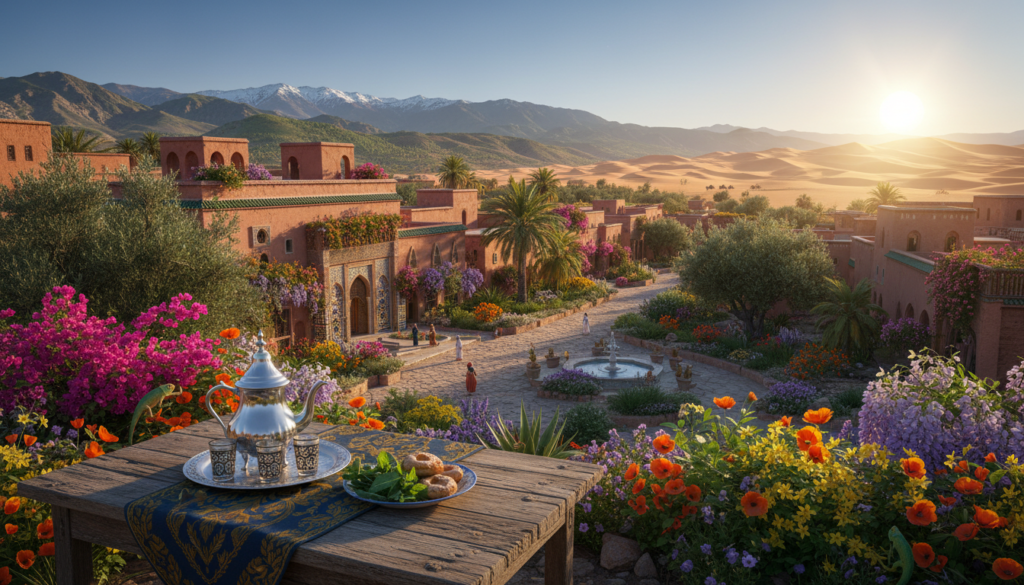
Knowing Morocco’s seasons is key for planning. The north has a Mediterranean climate, while the south is desert. The Atlas Mountains create a temperate zone. This means the best visit time changes based on where you go and what you like.
Seasonal Highlights and Festivals
Morocco is famous for its lively festivals and cultural events. The Marrakech International Film Festival is a big draw. The best way to plan your Morocco trip is to catch these events for cultural experiences.
Other festivals like the Essaouira Gnawa Music Festival and the Fes Festival of World Sacred Music are highlights. They show off Morocco’s rich culture and offer a special experience. Spring and autumn are great times to visit, with mild weather and lots of events.
Peak Tourist Times to Avoid
Morocco is open all year, but some times are busier than others. Summer (June to August) is peak tourist season, with many Europeans visiting. For a quieter trip, consider the shoulder season.
Also, Ramadan can affect tourist services and experiences. It’s a time for cultural immersion, but some places might have shorter hours. Planning your itinerary Morocco around these times can enhance your trip.
For personalized trip planning, call +212 663 505 686. They can customize your Morocco experience based on your preferences.
Transportation Options within Morocco
To enjoy your trip to Morocco, knowing how to get around is key. The country has a good network of transport, including buses, trains, and cars for rent. Knowing your options helps you move around easily.
Navigating Public Transport
Public transport in Morocco is cheap and works well. You can use buses and trains to get around. Supratours buses link big cities, and ONCF trains offer a comfy way to travel between places like Marrakech and Fez.
- Trains are comfy and on time, great for long trips.
- Buses are cheaper and reach more places, even small towns.
- In cities, use petit taxis or grands taxis for a quick ride.
Need help planning your transport? Call +212 663 505 686 for advice.
Renting a Car: Pros and Cons
Driving a rental car in Morocco lets you see things your way. But, think about the good and bad points first.
Pros:
- Make your own travel plan and visit places you want.
- See rural areas and places not many tourists go to.
Cons:
- Driving in Morocco can be tough, with crazy traffic in cities.
- Finding a parking spot in big cities is hard, and safety is a worry.
Get a car if you’re okay with driving in a new place. It’s good for seeing Morocco’s varied landscapes and cultures without being stuck to bus or train times.
The Best Regions to Include in Your Itinerary
When planning your trip to Morocco, don’t miss the Sahara Desert and Atlas Mountains. These places offer unique and unforgettable experiences.
Discovering the Sahara Desert
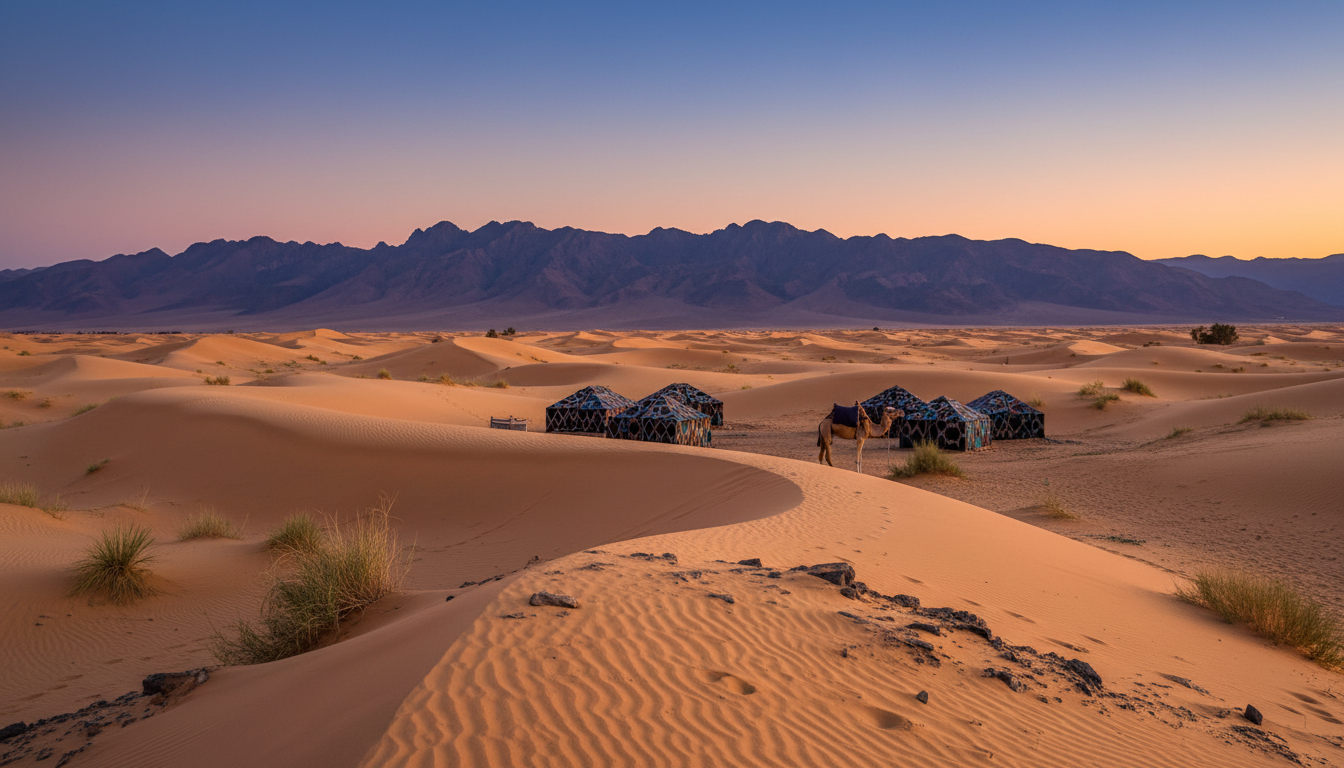
The Sahara Desert is a must-see in Morocco. It’s a vast, sandy landscape that’s truly immersive. Spend your days exploring the dunes, or ergs, and your nights under the stars in a desert camp.
Camping in the Sahara is an adventure. Watch the sunset over the dunes, enjoy local food by the campfire, and wake up to birds singing at sunrise.
- Take a camel ride across the dunes
- Experience the tranquility of the desert at night
- Engage with local Berber culture
Exploring the Atlas Mountains
The Atlas Mountains are a beautiful contrast to the Sahara. They have lush valleys, traditional Berber villages, and great hiking spots. You can explore on foot or by bike, enjoying the scenery and rural Moroccan life.
Staying in a traditional village in the Atlas Mountains is a highlight. You can learn about Berber traditions and enjoy home-cooked meals.
To plan your Moroccan adventure, contact us at +212 663 505 686. We offer expert guidance and personalized itinerary planning.
Accommodation Choices for Every Budget
Morocco offers a wide range of places to stay, from fancy riads to cheap hostels. You can find the perfect spot that matches your budget and travel style.
In Morocco, you can choose from many places to stay. There are fancy hotels and riads for those who want to splurge. Or, you can pick from more affordable hostels and guesthouses.
Luxury Hotels and Riads
Luxury hotels and riads in Morocco are known for their elegance and service. They are often in historic buildings, mixing old architecture with modern comforts. You can expect:
- High-end amenities like spas, pools, and fine dining restaurants
- Intricately designed interiors that show off Moroccan craftsmanship
- Personalized service to meet all your needs
Staying in a riad is a great way to experience Morocco. These traditional houses have interior gardens and are in the heart of old medinas. They offer a peaceful and authentic stay.
Budget-Friendly Hostels
For those on a tight budget, Morocco has many affordable hostels and guesthouses. These places are great for meeting other travelers and saving money. You’ll find:
| Accommodation Type | Average Price per Night | Amenities |
|---|---|---|
| Hostel Dorm | $10-$20 | Shared bathrooms, communal kitchen, lounge area |
| Budget Hotel | $30-$50 | Private bathroom, breakfast included, Wi-Fi |
| Guesthouse | $40-$60 | Private bathroom, sometimes breakfast, local decor |
To book easily, consider contacting a trusted travel agency. For help, call +212 663 505 686. For more trip planning tips, check out the top Morocco travel agents to plan your dream trip.
Top Activities to Experience in Morocco
Planning your itinerary in Morocco opens up a world of activities. Morocco mixes adventure, culture, and relaxation perfectly. It has something for every traveler.
Adventure Sports and Outdoor Activities
Morocco is a dream for the adventurous. You can hike the Atlas Mountains, ride camels in the Sahara Desert, or surf in Taghazout. These activities give you a thrill and let you see Morocco’s beautiful landscapes.
Some top adventure sports include:
- Mountain biking in the Atlas Mountains
- Paragliding over the coastal towns
- Kayaking in the rivers and coastal areas
Cultural Workshops and Classes
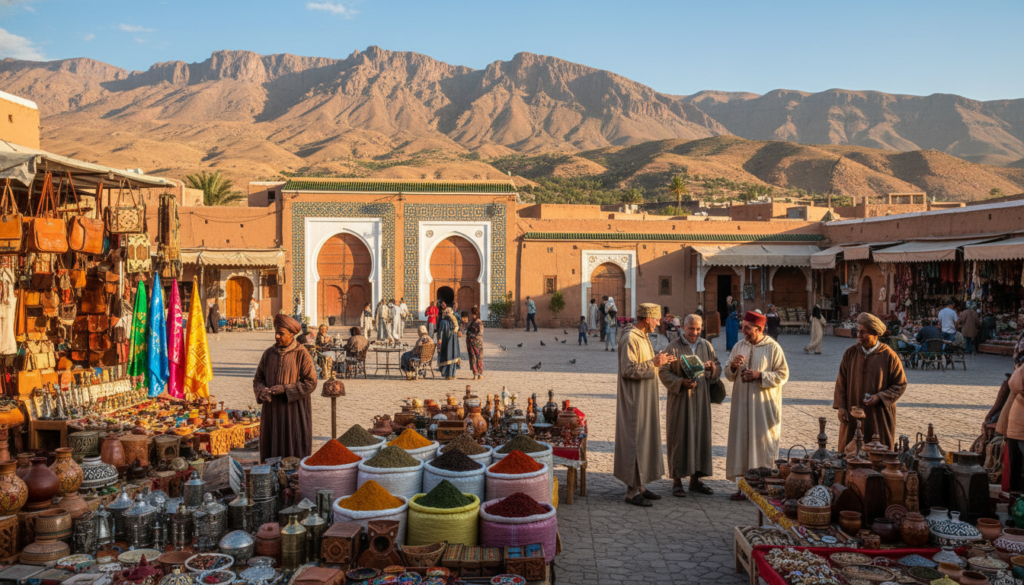
Morocco is great for diving into its rich culture. You can join workshops and classes on traditional crafts, cooking, and more.
| Activity | Location | Description |
|---|---|---|
| Cooking Class | Marrakech | Learn to prepare traditional Moroccan dishes |
| Pottery Workshop | Fez | Create your own ceramics using traditional techniques |
| Arabic Language Class | Rabat | Learn basic Arabic phrases and expressions |
To get the most out of your trip, talk to local experts. They can help you plan your itinerary Morocco to fit your interests. Call us at +212 663 505 686 to plan your activities.
Best Food Experiences for Your Trip
As you start your Morocco travel, you’ll find a world of tasty dishes. Moroccan food mixes old flavors with new twists. It’s shaped by Africa, Europe, and the Middle East.
For the best food adventures, talk to local experts. They can show you the best places to eat and what to try. Call +212 663 505 686 for tips.
Traditional Moroccan Cuisine to Try
Moroccan food is full of strong tastes and smells. You should try:
- Tagine: A slow-cooked stew cooked in a special pot.
- Couscous: A dish from North Africa made from semolina flour, with veggies and meat.
- Harira: A thick soup with tomatoes, lentils, and chickpeas.
For a deep dive into food, visit local cooking classes. You can learn to make these dishes yourself.
Recommended Food Markets and Restaurants
Morocco has lively food markets and restaurants. They show off the local culture. Here are some top spots:
| Location | Market/Restaurant Name | Must-Try Dish |
|---|---|---|
| Marrakech | Jemaa el-Fnaa Market | Grilled meats and street food |
| Fez | Dar Roumana Restaurant | Traditional Moroccan cuisine |
| Rabat | Marché Central | Fresh produce and local specialties |
For a bold experience, check out the local markets. Try the street food. You can also plan a 7-day Morocco experience with food tours.
Navigating Language and Communication
When planning your itinerary Morocco, think about how you’ll talk to locals. Morocco is rich in culture, with Arabic and Berber being key languages.
Knowing a few basic phrases can really improve your trip. It helps you connect with the people you meet.
Key Phrases in Arabic and Berber
Learning basic words in Arabic and Berber can make your trip better. Here are some important phrases to start with:
- Arabic:
- Hello – “Marhaba”
- Thank you – “Shukran”
- How much? – “Bikam?”
- Berber (Tamazight):
- Hello – “Azul”
- Thank you – “Tanmirt”
- Goodbye – “Tufat”
For more on Moroccan languages, check out this Morocco language guide. It offers detailed info and phrases.
Tips for Overcoming Language Barriers
Even though many Moroccans speak French or English, you might face language challenges. Here are some tips to help:
- Carry a Phrasebook or Use a Translation App: A phrasebook or a translation app on your phone can be very useful.
- Learn Basic Gestures: Sometimes, a simple gesture can say a lot. Learning a few common gestures can help you communicate.
- Seek Out English Speakers: In tourist areas and among the younger crowd, you’re more likely to find English speakers.
For more travel help or language tips, call local experts at +212 663 505 686.
How to Safely Handle Money in Morocco
Traveling to Morocco means knowing how to handle your money safely. The country mixes old and new ways of handling money. Knowing this helps you manage your spending easily.
For more detailed guidance on planning your trip, you can refer to Your Morocco Global Adventures: A Step-by-Step.
Currency and Payment Options
The official currency in Morocco is the Moroccan dirham (MAD). Even though some places take credit cards, cash is preferred, mainly in small towns and markets.
You can exchange your money at the airport or get dirhams from ATMs. It’s smart to have some local currency ready for your first expenses.
| Payment Method | Acceptance | Precautions |
|---|---|---|
| Cash (MAD) | Widely accepted | Be cautious of counterfeit bills |
| Credit/Debit Cards | Accepted in major establishments | Inform your bank of travel plans |
Tipping Etiquette to Follow
Tipping in Morocco shows you appreciate good service. Knowing the local tipping customs is key to avoid any misunderstandings.
Tipping Guidelines:
- Restaurants and cafes: 5-10 dirhams for basic service, more for exceptional service
- Tour guides: 50-100 dirhams per day
- Hotel staff: 10-20 dirhams for porters, more for exceptional service
For any specific financial queries or concerns during your trip, you can contact +212 663 505 686 for assistance.
Creating a Flexible Itinerary
When planning your trip to Morocco, finding the right balance is key. A flexible itinerary lets you enjoy your time fully while keeping room for surprises. It’s all about mixing structure with spontaneity.
Embracing Spontaneity
Make sure to leave some space for unplanned fun. Morocco is full of hidden gems waiting to be found. Don’t be afraid to take a detour or try something new.
Adjusting Plans
Being flexible is important. Plans can change due to weather or local invitations. Adjusting your itinerary can make your trip even better. For tips, talk to a travel expert at +212 663 505 686.