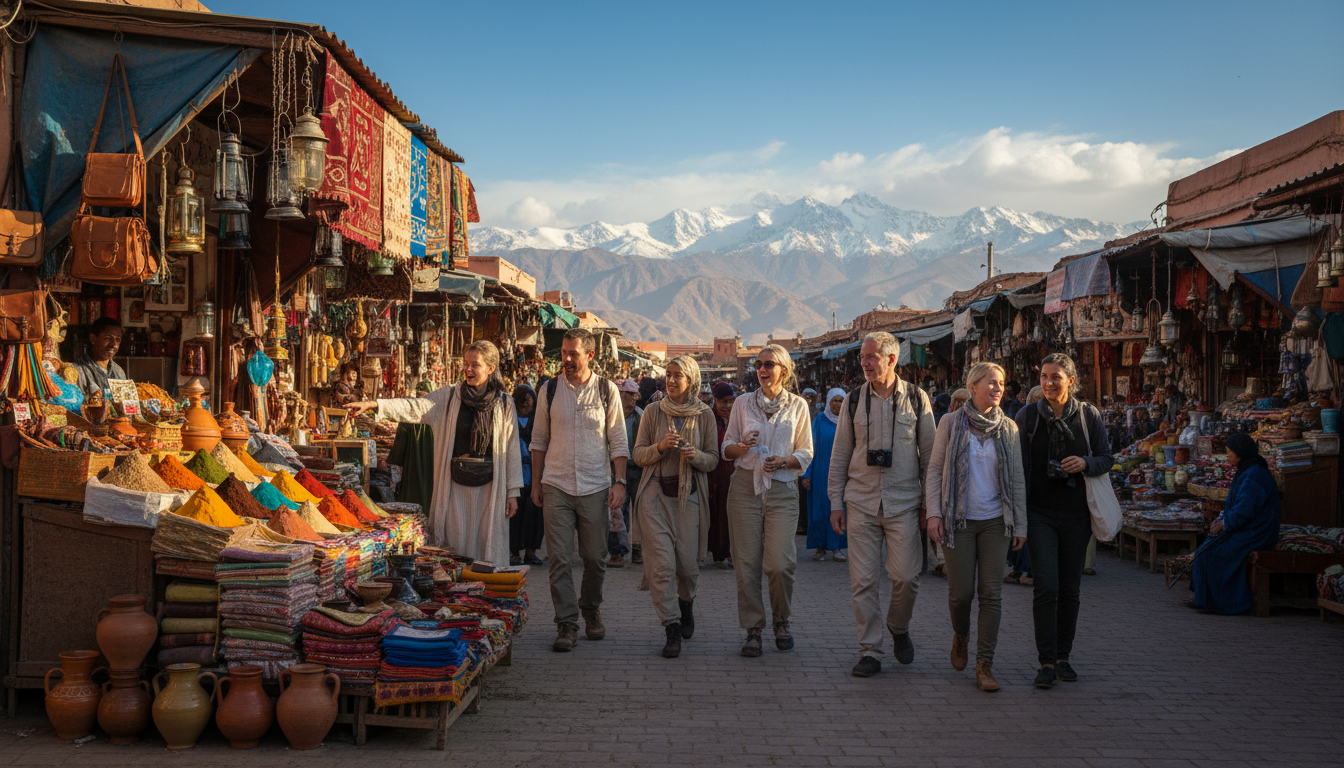
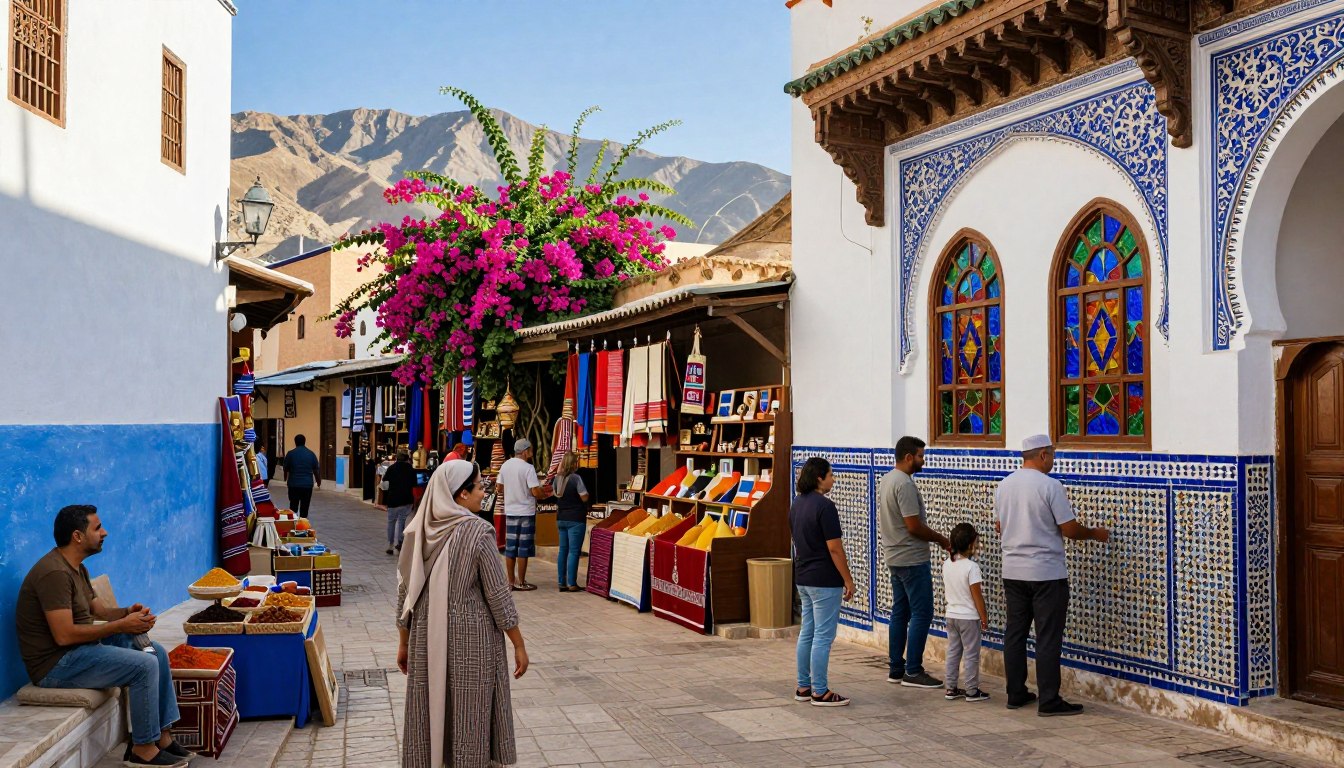
Morocco’s culture is rich and diverse, with a strong Jewish heritage. Visitors can explore ancient mellahs, historic synagogues, and meet warm Jewish communities.
The Jewish heritage of Morocco is a mix of traditions and history. It’s shaped by Morocco’s location at the crossroads of Africa, Europe, and the Middle East. On jewish tours of morocco, travelers discover stories, landmarks, and cultural practices that have lasted for generations.
Key Takeaways
- Discover the historic synagogues and mellahs in cities like Marrakech and Fez.
- Experience the rich cultural heritage through local traditions and customs.
- Explore the vibrant Jewish communities that continue to thrive.
- Learn about the significant role of Jewish heritage in Morocco’s history.
- Uncover the unique blend of African, European, and Middle Eastern influences.
Introduction to Jewish Heritage in Morocco
Jewish heritage in Morocco goes back to the Roman era. It’s a big part of the country’s identity. The Jewish community has greatly influenced Morocco’s history, culture, and buildings.
Historical Overview of Jewish Life in Morocco
Jewish life in Morocco has seen ups and downs. There’s been cultural exchange, persecution, and resilience. Jewish people have lived in many parts of Morocco, like Marrakech and Fes.
Key historical periods include:
- The Roman era, marking the initial presence of Jews in Morocco.
- The Islamic period, during which Jewish communities flourished under Islamic rule.
- The French protectorate, which had a significant impact on Jewish life and culture.
Importance of Jewish Communities in Moroccan Culture
Jewish communities have made a big impact on Moroccan culture. They’ve contributed to architecture, cuisine, and music. The Mellah, or Jewish quarter, shows the long history of Jewish people in Moroccan cities.
| Cultural Contribution | Description |
|---|---|
| Architecture | Synagogues and Jewish quarters showcase unique architectural styles. |
| Cuisine | Traditional dishes like dakine and shbakia enjoyed during Jewish festivals. |
| Music | Melodic traditions and instruments used in Jewish liturgical music. |
The Unique Jewish Sites to Visit in Morocco
Morocco is a treasure trove of Jewish heritage. It has many historical sites that show the country’s rich cultural diversity. Visitors can explore these sites to learn about the Jewish community’s history and its contributions to Moroccan culture.
The Mellah: A Historical Jewish Quarter
The Mellah, or Jewish quarter, is found in many Moroccan cities like Fes, Marrakech, and Essaouira. It has narrow streets and closely-knit homes. Once a thriving center of Jewish life, today visitors can walk through these historic streets and see the remnants of this vibrant community.
Synagogues Worth Visiting in Morocco
Morocco has many historic synagogues, some dating back centuries. Places like the Ibn Danan Synagogue in Fes and the Synagogue of Rabbi Shalom Zaoui in Marrakech give a glimpse into the religious and cultural practices of Moroccan Jews. Visitors can tour these synagogues to see their architectural beauty and historical significance.
Jewish Cemeteries: A Testament to History
Jewish cemeteries in Morocco, like the Miara Cemetery in Fes and the Jewish Cemetery in Marrakech, are poignant reminders of the country’s Jewish heritage. These cemeteries contain graves that date back centuries, giving insight into the lives and traditions of Moroccan Jews. Visitors can pay their respects and reflect on the history preserved within these sacred grounds.
To further illustrate the significance of these sites, consider the following table highlighting some of the key Jewish heritage sites in Morocco:
| Site | Location | Significance |
|---|---|---|
| Ibn Danan Synagogue | Fes | One of the oldest synagogues in Morocco, built in the 17th century. |
| Miara Cemetery | Fes | A historic Jewish cemetery containing graves dating back to the 17th century. |
| Synagogue of Rabbi Shalom Zaoui | Marrakech | A significant religious site for the Jewish community in Marrakech. |
These Jewish heritage sites are not only significant to Morocco’s cultural identity but also offer a unique experience for visitors. By visiting these sites, tourists can gain a deeper appreciation for Morocco’s cultural diversity and historical depth.
Key Cities for Jewish Tours
Casablanca, Marrakech, and Fes are key spots for Jewish tours in Morocco. Each city has its own cultural vibe. They’re important for their history and the lively Jewish communities there.
Casablanca: The Heart of Jewish Life
Casablanca is seen as the heart of Jewish life in Morocco. It has a big Jewish population and many Jewish landmarks. The Synagogue Ettedgui is a must-see for those on a kosher tour Morocco.
Marrakech: A Blend of Cultures
Marrakech is known for its rich culture, mixing Jewish and Islamic traditions. The Mellah, or Jewish quarter, is a place to explore. It has narrow streets and historic synagogues. Here, you can see the unique mix of cultures in Marrakech’s Jewish community.
Fes: Exploring Ancient Jewish Roots
Fes is full of history, with an ancient Jewish quarter. The Synagogue Ibn Danan is a key landmark. It shows the architecture and practices of Morocco’s Jewish community. Fes offers a deep dive into Jewish heritage for those on jewish tours of morocco.
| City | Key Jewish Landmarks | Cultural Experience |
|---|---|---|
| Casablanca | Synagogue Ettedgui | Vibrant Jewish community |
| Marrakech | Mellah, Synagogues | Blend of Jewish and Islamic cultures |
| Fes | Synagogue Ibn Danan | Ancient Jewish heritage |
Cultural Experiences During Your Tour
Morocco’s culture is rich with Jewish heritage, giving visitors a unique experience. You’ll get to meet local communities, try traditional food, and join in cultural events. This is what makes Morocco’s Jewish heritage tours special.
Traditional Jewish Cuisine in Morocco
Moroccan Jewish food combines Mediterranean, Arab, and Jewish tastes. You can try Shakshuka, eggs in spicy tomato sauce, and Hamantashen, cookies with dates or nuts. For a real taste, join a food tour that dives into Moroccan Jewish dishes.
Festivals Celebrating Jewish Heritage
Morocco’s Jewish communities hold many festivals each year. One big one is Passover, which remembers the Israelites’ freedom from slavery. You can join Seder meals and other Passover events. It’s a great way to learn about Moroccan Jewish traditions.
Intercultural Dialogues: Jews and Muslims
Morocco’s history shows a mix of Jewish and Muslim cultures. You can talk with locals from both groups. This helps you understand Morocco’s rich heritage and builds respect and understanding.
| Cultural Experience | Description |
|---|---|
| Traditional Jewish Cuisine | Sample local delicacies such as Shakshuka and Hamantashen, and explore the unique flavors of Moroccan Jewish cuisine. |
| Festival Celebrations | Participate in festivals like Passover and gain insight into the customs and rituals of Moroccan Jews. |
| Intercultural Dialogues | Engage in meaningful conversations with local Jewish and Muslim communities, exploring their shared history and cultural practices. |
Jewish Tours: What to Expect
Jewish tours in Morocco give a unique look at the country’s Jewish history. You’ll see ancient synagogues and lively cultural festivals. There are many tour options to explore the rich history and culture of Jewish communities in Morocco.
Types of Tours Available
Morocco has many Jewish tours for different interests. You can choose from:
- Historical Tours: These tours focus on the history of Jewish communities in Morocco. You’ll visit important landmarks and historical sites.
- Cultural Tours: These tours dive into the cultural practices and traditions of Moroccan Jews. They give you a deeper understanding of their heritage.
- Religious Tours: These tours are all about religious sites and practices. They offer insights into the spiritual life of Jewish communities.
Guided vs. Self-Guided Tours
Visitors can pick between guided and self-guided tours. Each has its own benefits.
Guided Tours are led by experts who share their knowledge and local insights. These tours are great for those who want to learn more about the history and culture.
Self-Guided Tours let you explore at your own pace. They’re perfect for those who like to discover places without a set schedule.
Whether you choose a guided or self-guided tour, you’ll have a meaningful experience exploring Morocco’s Jewish heritage.
Benefits of Taking Jewish Tours in Morocco
Exploring Morocco’s Jewish heritage through guided tours offers a unique window into the country’s rich cultural tapestry. Morocco has a long history of Jewish presence, with records dating back to the Roman era. The country’s Jewish heritage is a significant part of its cultural identity, and exploring this heritage can be a deeply enriching experience.
Deepening Your Understanding of Jewish History
One of the primary benefits of Jewish tours in Morocco is the opportunity to deepen your understanding of Jewish history. Morocco’s Jewish communities have a rich and complex history that spans centuries. By visiting historical sites such as the Mellah in Marrakech and the Jewish Quarter in Fes, tourists can gain insight into the lives of Moroccan Jews throughout history.
These tours often include visits to significant synagogues, museums, and historical landmarks that highlight the contributions of Jewish communities to Moroccan society. For instance, the Slat Al-Azama Synagogue in Marrakech is a notable example of Jewish architectural heritage and a testament to the community’s historical presence in the city.
| Historical Site | Location | Significance |
|---|---|---|
| Mellah | Marrakech | Historical Jewish Quarter |
| Slat Al-Azama Synagogue | Marrakech | Notable Synagogue showing Jewish heritage |
| Jewish Quarter | Fes | Ancient Jewish community hub |
Connecting with Local Jewish Communities
Another significant benefit of Jewish tours in Morocco is the chance to connect with local Jewish communities. Despite a significant decrease in the Jewish population, there are vibrant communities in cities like Casablanca and Marrakech.
Tourists can engage with local community members, visit active synagogues, and participate in cultural events that celebrate Jewish heritage. This interaction provides a unique opportunity to understand the contemporary Jewish experience in Morocco and fosters a deeper appreciation for the community’s resilience and cultural contributions.
Key experiences include attending a Shabbat dinner with local families or visiting community centers. These interactions not only enrich the tourist’s understanding of Jewish culture but also promote intercultural dialogue and understanding.
Planning Your Jewish Tour
Planning a Jewish heritage tour in Morocco is key for a fulfilling trip. Morocco’s rich Jewish history and cultural mix make it special. Knowing the best times to visit and some travel tips can make your tour even better.
Best Times to Visit Morocco
Morocco is great to visit all year, but the best time varies. Spring (March to May) and autumn (September to November) are top choices. The weather is mild, perfect for exploring.
- Spring (March to May): Enjoy nice weather and fewer crowds, great for Marrakech and Fes.
- Autumn (September to November): Comfortable weather and harvest season, ideal for cultural experiences.
Important Travel Tips for Jewish Tourists
For a smooth Jewish tour in Morocco, follow some key tips. Respect local customs, find kosher food, and know where to find synagogues and Jewish areas.
- Research Kosher Options: Morocco has many kosher restaurants, like in Casablanca and Marrakech. Look them up before you go.
- Locate Synagogues and Jewish Communities: Knowing where to find synagogues and Jewish communities can enrich your visit.
- Respect Local Customs: Morocco is a Muslim country with its own traditions. Showing respect will make your trip better.
With careful planning, your Jewish heritage tour in Morocco will be unforgettable. You’ll explore the country’s Jewish history and dive into its lively culture.
Notable Jewish Personalities from Morocco
Morocco has been a key place for Jewish scholars, leaders, and cultural icons. These individuals have greatly influenced Jewish identity around the world. The country’s unique culture has helped create a rich Jewish heritage.
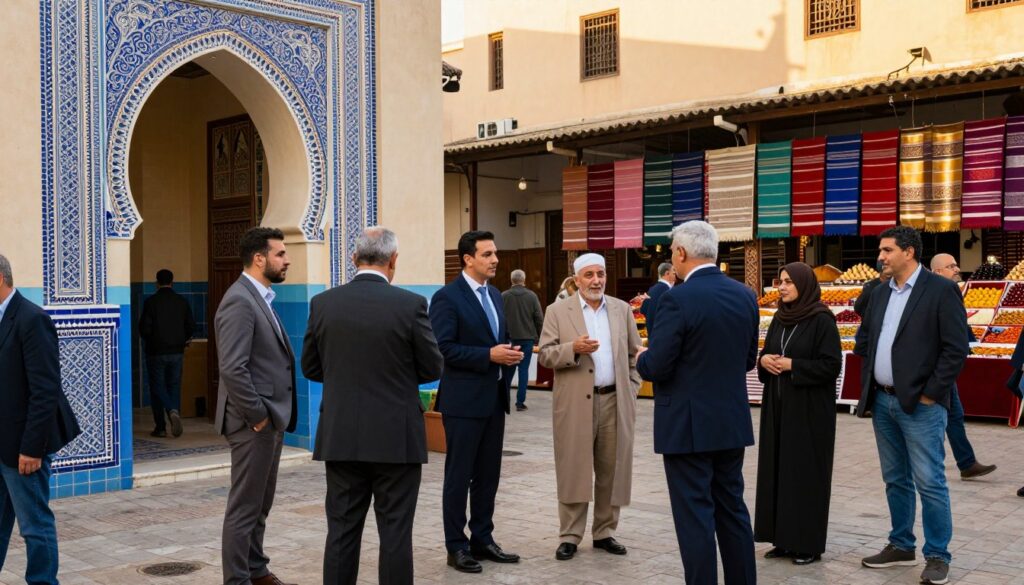
Famous Rabbis and Community Leaders
Many respected rabbis and community leaders have called Morocco home. They have played important roles in keeping Jewish traditions alive. Some of these notable figures include:
- Rabbi David ben Zimra: A well-known rabbi and expert in Jewish law who served as the Chief Rabbi of Egypt.
- Rabbi Chaim ibn Attar: A famous Talmudic scholar and Kabbalist who later became a key figure in Israel’s Jewish community.
- Jacob Ben Eliezer Toledano: A respected rabbi and community leader who worked hard to preserve Jewish heritage in Morocco.
Contributions of Moroccan Jews to Global Culture
Moroccan Jews have enriched global culture in many ways. They have made significant contributions to literature, music, and art. Their unique heritage has had a lasting impact.
- Literary Works: Moroccan Jewish writers have created a vast amount of literature. This literature reflects the cultural and historical experiences of Moroccan Jews.
- Music and Dance: The musical and dance traditions of Moroccan Jews have influenced Jewish culture worldwide.
- Cuisine: Moroccan Jewish cuisine, known for its rich flavors and unique dishes, has become a part of Jewish culinary traditions globally.
These contributions show the significant impact of Moroccan Jews on global culture. They highlight the richness and diversity of their heritage.
Understanding the Challenges Faced by Jewish Communities
Morocco’s Jewish heritage is a rich tapestry of resilience and adaptation. The Jewish community in Morocco has a long and complex history. It has seen both periods of tolerance and persecution.
Historical Persecutions and Their Impact
The Jewish community in Morocco has faced many challenges, including forced conversions and violence. These events have deeply shaped their identity and cultural practices. The historical persecutions have also influenced their interactions with other religious groups.
The Almohad persecution in the 12th century was a significant event. It led to a decline in the Jewish population. Yet, the community continued to thrive in some areas, keeping their traditions alive.
The Resilience of Jewish Culture in Morocco
Jewish culture in Morocco has shown remarkable resilience. The community has preserved its identity through traditional practices and cultural festivals. They have also protected historical sites.
The resilience of Jewish culture is seen in their ability to adapt while keeping core values. This adaptability has helped Moroccan Jews enrich the country’s culture, including its cuisine and music.
In conclusion, understanding the challenges faced by Jewish communities in Morocco offers valuable insights. By looking at historical persecutions and the resilience of Jewish culture, we appreciate Moroccan Jewry’s rich heritage.
The Current State of Moroccan Jewry
The Jewish community in Morocco today is a mix of old traditions and new ways. Despite some tough times, there are efforts to keep Jewish heritage alive. These efforts also help in sharing culture with others.
Population Statistics and Demographics
The number of Jews in Morocco is smaller than it used to be. There are about 2,500 to 3,000 Jews living there now.
Demographic Breakdown:
| Location | Number of Jews |
|---|---|
| Casablanca | 1,500 |
| Marrakech | 500 |
| Fes | 200 |
| Other Cities | 800 |
Community Initiatives and Outreach
Jewish communities in Morocco are working hard to keep their heritage alive. They do this through:
- Restoring old synagogues and cemeteries
- Hosting cultural events and festivals
- Starting educational programs for cultural understanding
These efforts not only protect Jewish heritage but also bring the community closer together. For those wanting to dive into this rich heritage, morocco jewish heritage tours and jewish tours of morocco are great ways to see it all up close.
Testimonials from Tour Participants
Morocco’s rich Jewish heritage makes for unique travel experiences. People who go on Jewish heritage tours often come back with amazing stories. They also gain a new respect for the country’s cultural diversity.
Personal Experiences and Insights
Travelers on these tours share their personal stories and insights. They talk about the emotional connections they made with Morocco’s Jewish history and culture. Visiting ancient synagogues and historic Mellahs is a deeply moving experience for many.
“Walking through the narrow streets of the Mellah in Fes, I felt a deep connection to the generations of Jews who lived there,” said one tour participant. Such experiences educate and help people understand and empathize.
Impact of Tours on Visitors’ Perspectives
The impact of these tours on visitors’ perspectives is significant. By engaging with local communities, tourists learn about their history and traditions. This gives them a deeper understanding of Jewish life in Morocco.
| Aspect | Before Tour | After Tour |
|---|---|---|
| Understanding of Jewish Culture | Limited knowledge | Deepened understanding |
| Appreciation for Cultural Diversity | General awareness | Enhanced appreciation |
| Connection to History | Distant history | Personal connection |
The testimonials from tour participants highlight the value of these Jewish heritage tours in Morocco. They offer a glimpse into the past and a way to understand the present. They also help build a more inclusive future.
Conclusion: The Significance of Jewish Heritage Tours
Morocco’s rich Jewish heritage is a treasure waiting to be explored. Guided tours offer a peek into the past. They help us understand the complex cultural dynamics that have shaped Morocco.
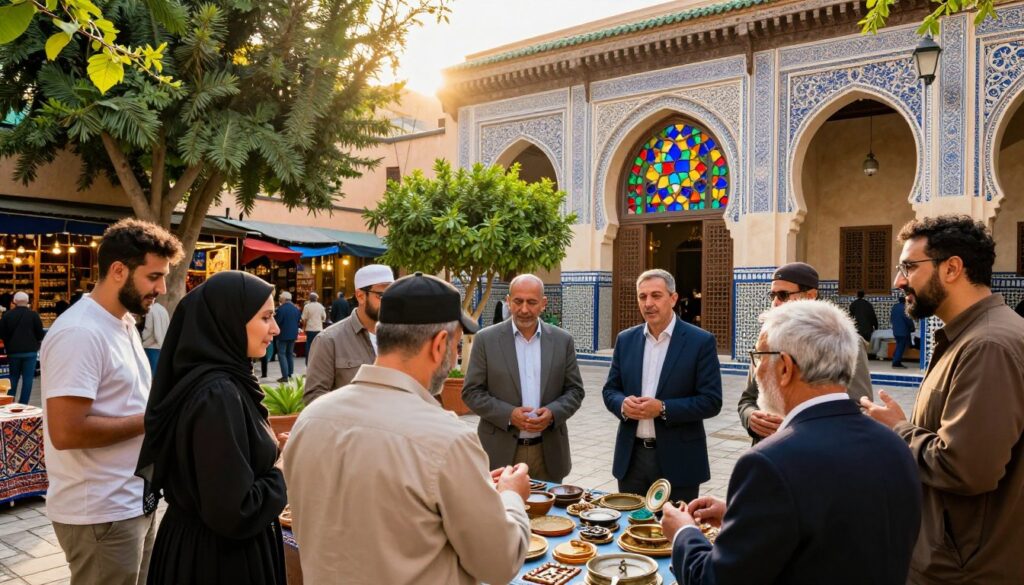
Jewish heritage tours in Morocco are a chance for cultural immersion. Visitors can see historical sites, experience local traditions, and meet the community. These tours help us appreciate Morocco’s diverse identity.
How These Tours Influence Cultural Appreciation
These tours help us appreciate different cultures. They offer a chance for dialogue and understanding. By learning about Jewish communities in Morocco, we gain empathy and appreciation for cultural identity.
Key benefits of Jewish heritage tours include:
- Enhanced cultural understanding through immersive experiences
- Opportunities to engage with local Jewish communities
- A deeper appreciation of Morocco’s diverse cultural heritage
Encouraging Future Generations to Explore
It’s important to encourage future generations to explore Morocco’s Jewish heritage. Educational initiatives and cultural exchange programs help preserve this unique legacy. They inspire and educate future generations.
The future of Jewish heritage tours in Morocco looks promising. With growing interest in cultural tourism and heritage preservation, we must support cross-cultural understanding and appreciation.
Additional Resources for Further Exploration
If you’re interested in Morocco’s rich Jewish heritage, there are many resources to help. They can make your Jewish tours of Morocco even more meaningful.
Recommended Reading and Documentaries
Books and documentaries provide deep insights into Moroccan Jewry’s history and culture. They are great for those wanting to understand the Jewish experience in Morocco. They offer context for your journey with a moroccan jewish guide.
Websites for Planning Your Tour
There are websites dedicated to planning Jewish heritage tours. They offer tips on where to go, cultural events, and travel advice. Using these resources can make your tour of Morocco’s Jewish sites more enriching.