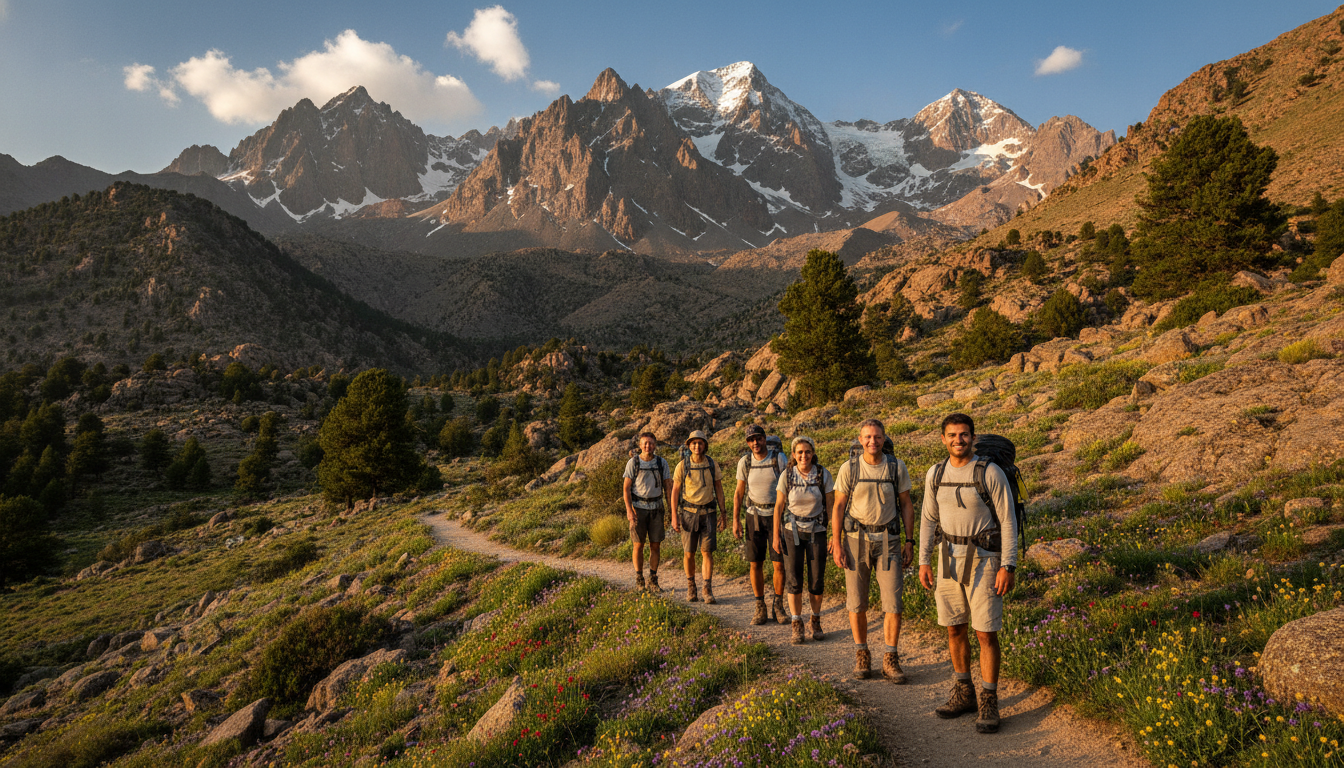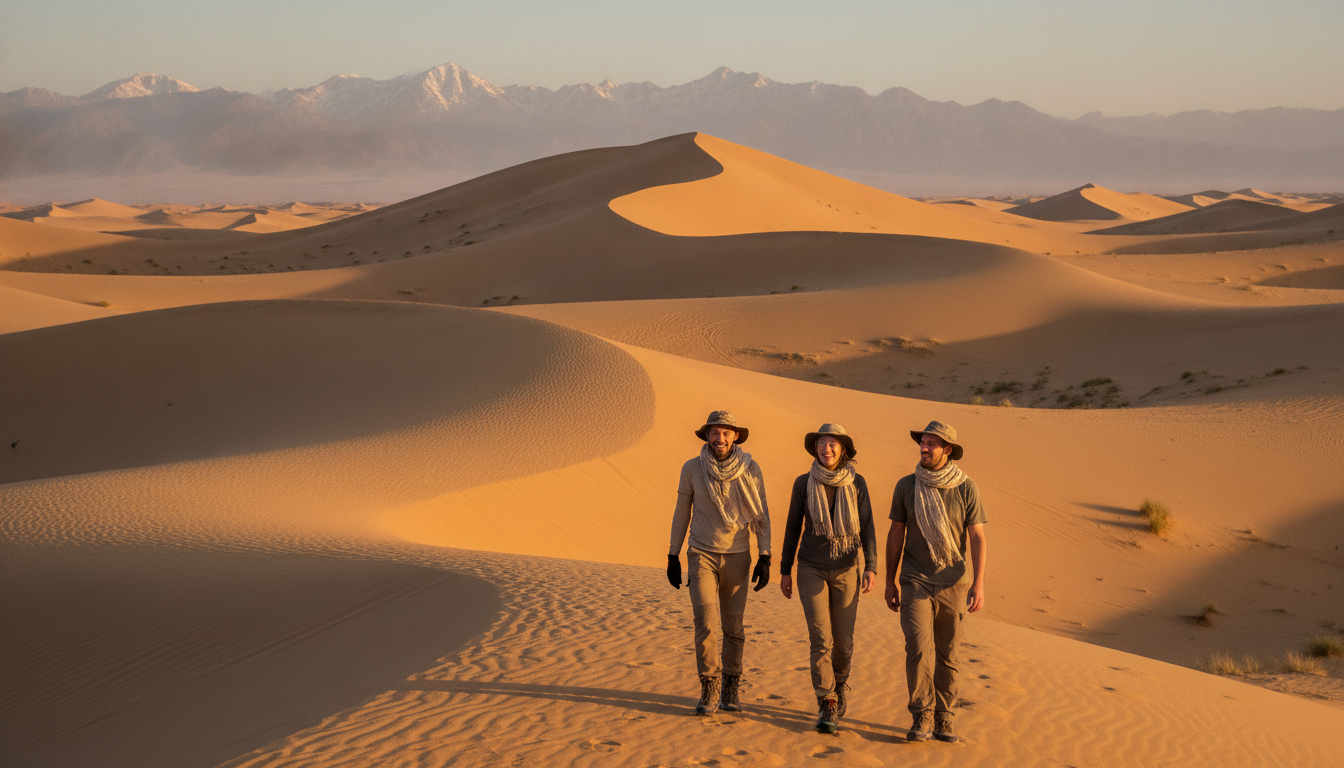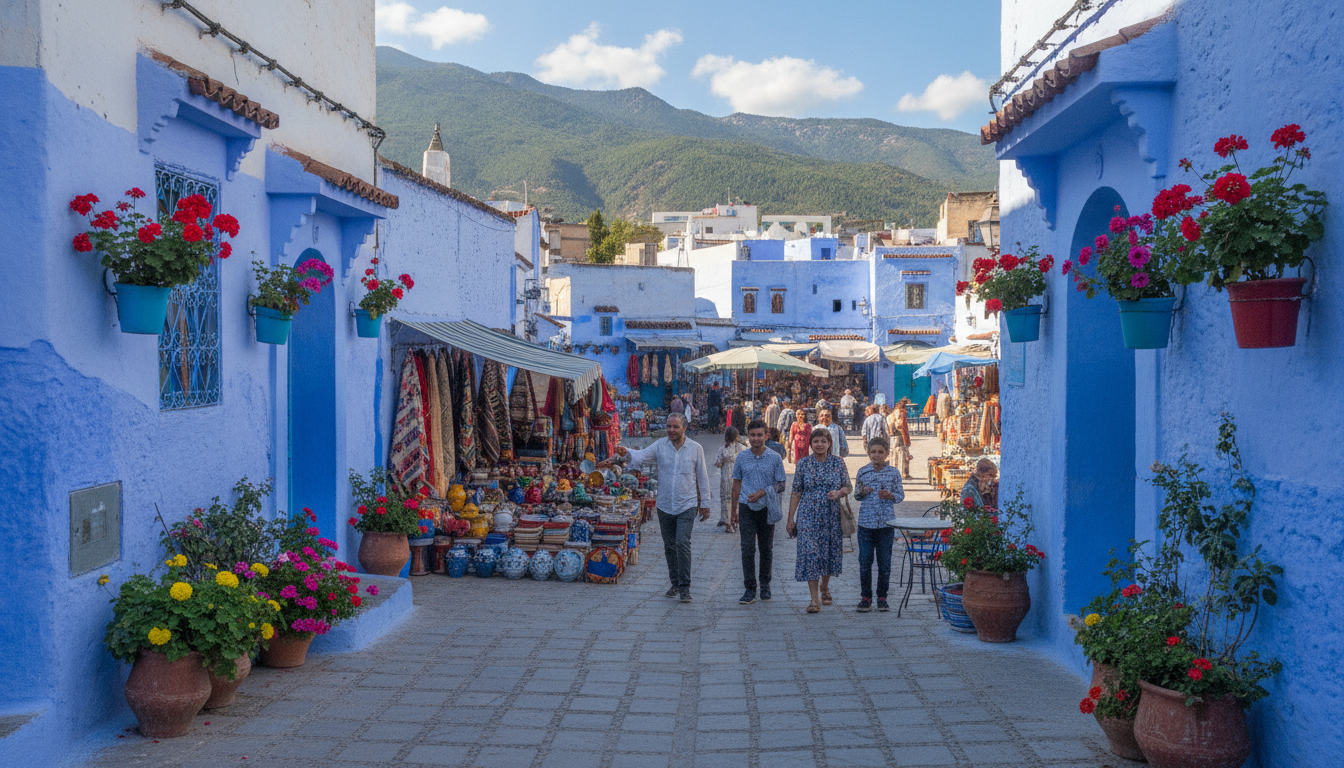
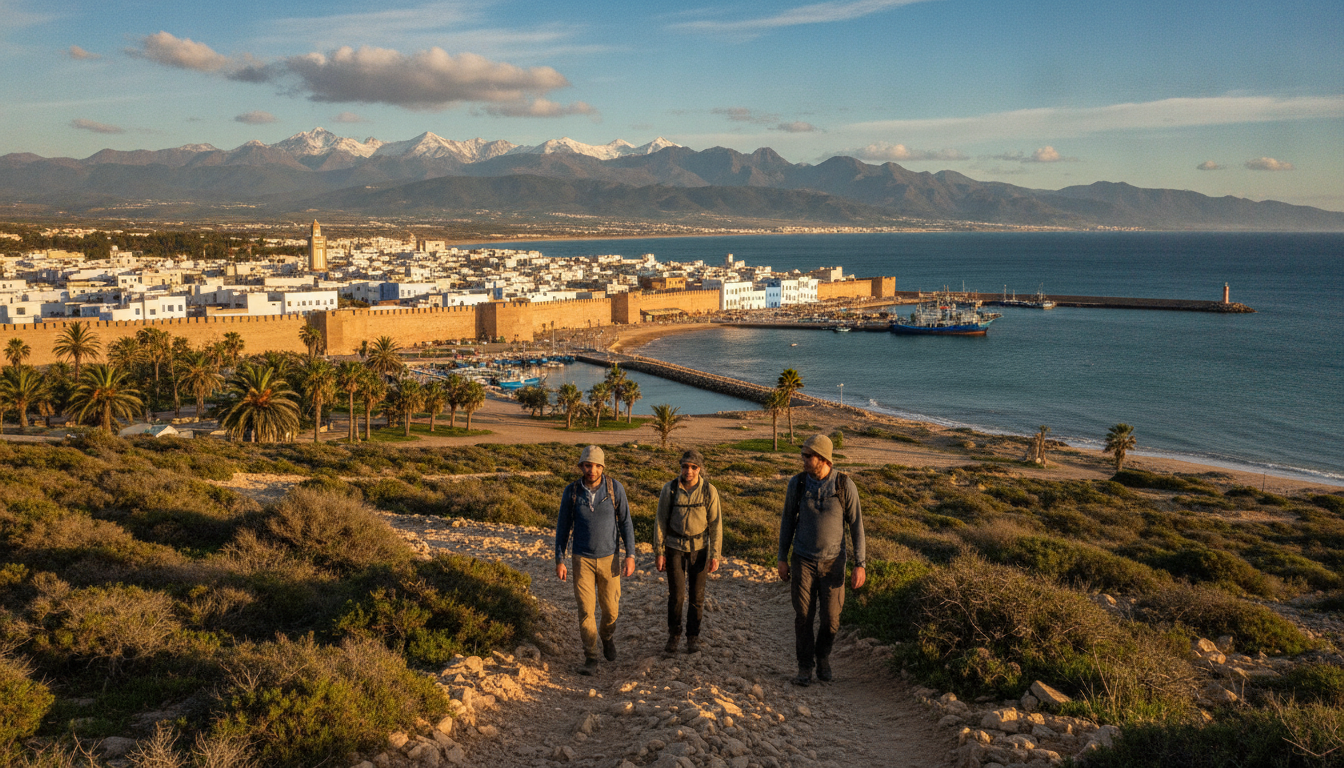
Imagine standing at the top of a snow-capped peak, feeling the cool mountain air. You feel a deep sense of accomplishment from high-altitude trekking. This journey into Morocco’s heart pushes your limits and rewards you with stunning views.
After tackling the tough terrain, you’ll want to relax by the Atlantic coast. Many people enjoy combining a mountain trip with a Essaouira day trip. This mix offers a great vacation balance, switching from dusty trails to the calming sound of waves.
Professional planning is key for a safe and enjoyable trip. By organizing ahead, you make sure your Moroccan adventure is worry-free. Whether you’re looking for physical challenges or cultural experiences, your trip will be truly transformative with proper planning.
Key Takeaways
- Combine high-altitude mountain trekking with coastal relaxation for a balanced itinerary.
- Professional planning is essential to ensure safety and comfort throughout your journey.
- Transitioning from the Atlas Mountains to the coast offers a unique cultural perspective.
- An Essaouira day trip provides the perfect environment to unwind after strenuous physical activity.
- Prioritize logistical preparation to maximize your enjoyment of Morocco’s diverse landscapes.
Preparing for Your Atlas Mountains Expedition
Success in Morocco’s high-altitude terrain starts before you hit the trail. A good plan keeps you comfortable in the High Atlas’s rugged landscapes. Focus on your physical shape and what you need to bring for a truly memorable adventure.
Assessing Your Physical Fitness Levels
Trekking at high altitudes needs strong heart and leg muscles. Start training three months before you go. Hiking, stair climbing, or cycling builds the stamina for long mountain days.
Adding strength training to your routine is key for your joints. Lunges and squats prepare your muscles for mountain climbs. Always increase your workout intensity slowly to avoid injuries.
Choosing the Right Time of Year for Trekking
Choosing the right time is key to avoid bad weather. Late spring to early autumn is best. You’ll get clear skies and stable temperatures, perfect for the mountains.
Late spring has blooming wildflowers, and early autumn has cool air. Avoid winter unless you’re an experienced mountaineer. Planning for these optimal seasonal windows makes your trip better.
Essential Gear and Packing Requirements
Packing the right gear is vital for safety and comfort. Use a layering system to adjust to mountain temperatures. Start with moisture-wicking base layers, add insulation, and top with a windproof shell.
Your shoes are the most important gear. Make sure you have sturdy, broken-in hiking boots with good support and grip. Here’s a checklist to help you pack right:
- A comfortable 30-40 liter daypack for your essentials.
- A reliable hydration bladder or water bottles to maintain fluid intake.
- High-SPF sunscreen and polarized sunglasses to protect against intense UV rays.
- A basic first-aid kit containing blister care and personal medications.
Organizing your gear well means less weight and everything you need. Preparation is the key to a great Moroccan mountain trip.
Navigating the High Atlas Trails
Exploring the High Atlas trails is more than just physical strength. You need to match your experience with the time you have. This way, you can enjoy the breathtaking scenery without worrying about the journey.
Selecting Your Trekking Route
Picking the right path is key to a great trip. Beginners should start with shorter, easier routes. These paths are well-marked and have access to villages.
More seasoned hikers might want to tackle technical climbs. These require better navigation and endurance.
Think about your time constraints when planning. Some hikes are short, lasting just three days. Others need a week to fully enjoy the range. Choose a route that fits your schedule and energy levels.
Understanding Altitude and Acclimatization
Going up high in the High Atlas is challenging. It’s important to acclimatize to avoid altitude sickness. Plan to ascend slowly, giving your body time to adjust.
Pay attention to how your body reacts as you climb. Headaches or tiredness mean you need to rest and drink water. This helps you reach the summit safely and enjoy the view.
Hiring Local Guides and Porters
Local guides are essential in the mountains. They offer invaluable navigation support and know the area well. They can adjust your plans based on the weather.
Porters help carry your gear, making your journey smoother. With their help, you can focus on the scenery. Local experts make your trek more enjoyable and meaningful.
Cultural Immersion in Berber Villages
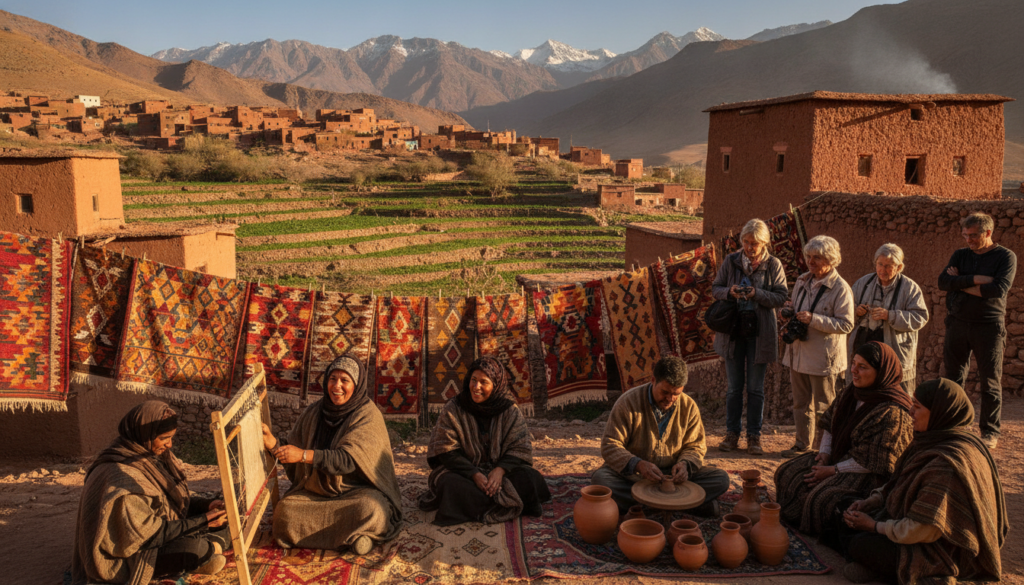
Exploring Berber culture is a life-changing experience. As you walk through the Atlas Mountains, you’ll see villages untouched by time. Connecting with these communities offers a fresh view, away from city life.
Respecting Local Traditions and Customs
Cultural sensitivity is key when visiting these areas. Always ask before taking photos, showing respect for privacy. Dressing modestly is also important to honor local customs.
Hospitality is central to Berber life. Accepting mint tea is a sign of respect. By following these social cues, you build trust, enriching your journey.
Staying in Traditional Guesthouses
Staying in local guesthouses offers a true look at mountain life. These homes are family-run, providing a warm stay and home-cooked meals. You’ll wake up to mountain sounds and fresh bread smells.
Staying here supports the local economy and preserves traditional architecture. It’s a sustainable travel choice that benefits both you and the host. After your adventure, consider exploring-essaouira-exciting-things-to-do/ along the coast.
Engaging with Mountain Communities
Connecting with locals often happens through stories and gestures. A smile and a greeting can bridge gaps. Take the time to listen to their stories and challenges.
By engaging in these exchanges, you appreciate the region’s heritage more. You’ll leave with memories of genuine Berber resilience. This connection is the most lasting memory of any trek.
Safety Protocols for High-Altitude Hiking
High-altitude hiking in Morocco requires careful planning and safety measures. The Atlas Mountains are stunning, but they can be unpredictable. Prioritizing your well-being helps you enjoy the journey without worrying about dangers.
Managing Weather Fluctuations
The weather in the Atlas Mountains can change quickly. Always check the forecast, but be ready for surprises. Carrying waterproof layers is key to staying warm and dry.
Watch the sky for signs of bad weather. If it gets worse, find shelter or change your path. Being flexible is important in the mountain’s changing weather.
Emergency Communication and Evacuation Plans
Having a way to communicate is critical. Cell service is rare in remote areas, so use a satellite messenger or personal locator beacon. Registering your trek with local authorities adds safety.
Make sure you have an evacuation plan before starting. Know where the nearest medical help is and have rescue service numbers. Preparation is the key to handling emergencies well.
Hydration and Nutrition Strategies
Staying healthy at high altitudes means drinking water often and eating right. Even if you’re not thirsty, drink water to fight the thin air. Electrolyte supplements help your body stay hydrated during tough climbs.
Eat foods that give you energy and are easy to digest. Nuts, dried fruits, and carbs are good choices. Here’s what to include in your safety and health kit.
| Category | Essential Item | Purpose |
|---|---|---|
| Hydration | Water Purification Tablets | Ensures safe drinking water |
| Nutrition | High-Calorie Energy Bars | Maintains blood sugar levels |
| Safety | Satellite Messenger | Emergency communication |
| First Aid | Altitude Sickness Medication | Manages symptoms of AMS |
Planning Your Perfect Essaouira Day Trip
Going from high mountains to the Atlantic breeze is a highlight of any Moroccan trip. After trekking, your body and mind need a break. An Essaouira day trip is perfect for this, with its coastal culture.
Why Essaouira is the Ideal Post-Trek Escape
The city is a calm contrast to the mountains you’ve just climbed. You can explore quiet alleys or listen to the waves. It’s a ultimate sanctuary for a peaceful return to civilization.
Many find they can visit Essaouira in a day to refresh. The ocean air is a natural remedy after mountain air. The city’s relaxed vibe helps you reflect on your adventures.
Transportation Options from Marrakech
Getting to Essaouira from Marrakech is easy, with many options. Private transfers are convenient, letting you set your own pace. They’re great for those who value ease and comfort.
For a budget-friendly option, try shared taxis or tourist buses. They offer a scenic drive and run often. The trip takes about three hours, making it easy to plan.
Must-See Landmarks in the Medina
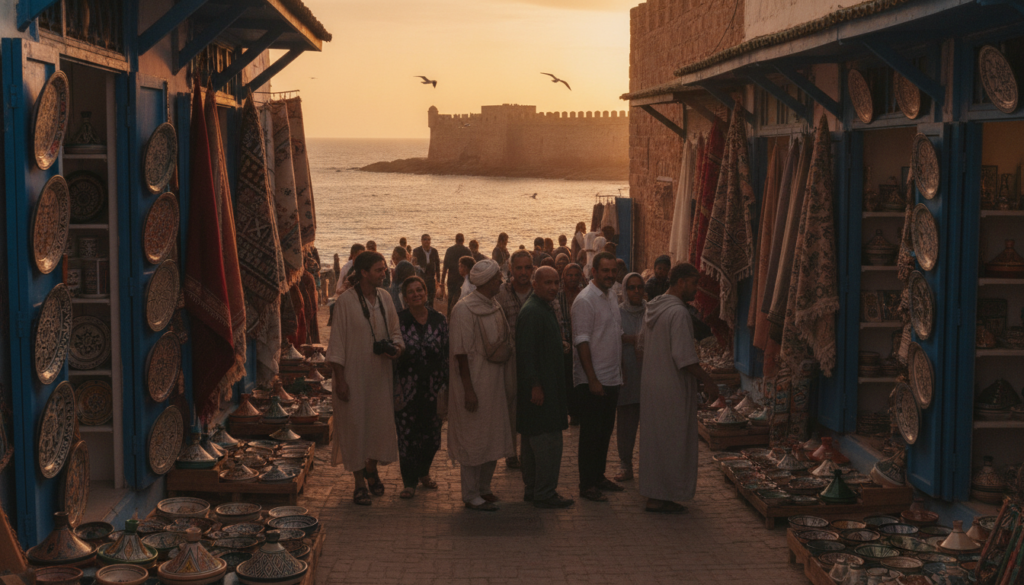
The Medina is the heart of your Essaouira visit. A walk along the Skala de la Ville offers stunning ocean views. It’s perfect for photos.
Don’t miss the fishing port, with its blue boats against stone walls. These landmarks show the city’s rich maritime history. Exploring these streets makes your visit unforgettable.
Exploring the Vibrant Markets of Essaouira
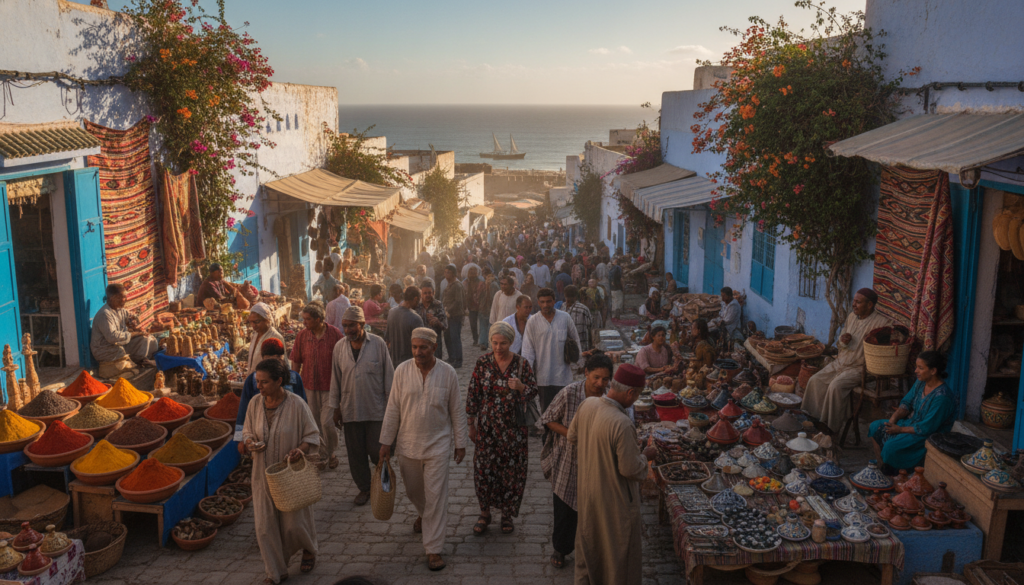
Essaouira’s markets offer a unique peek into Moroccan coastal life. Walking through the whitewashed alleys, you’ll find a lively scene. Here, old traditions meet new commerce. Exploring-essaouira-exciting-things-to-do/ lets you feel the city’s rhythm.
Shopping for Local Artisanal Crafts
Essaouira is famous for its thuya wood carvings. Artisans shape these fragrant woods into beautiful items. You’ll also find colorful textiles, rugs, and leather goods that show the Berber heritage.
“The true beauty of Moroccan craftsmanship lies in the patience of the artisan and the history woven into every single thread.”
When picking souvenirs, here’s a guide to spot quality items:
| Craft Category | Key Feature | Best Tip |
|---|---|---|
| Thuya Wood | Distinctive scent | Check for smooth finish |
| Textiles | Natural dyes | Feel the fabric density |
| Leather | Hand-stitched | Smell for natural tanning |
Sampling Fresh Seafood at the Port
Don’t miss the fishing port for a taste of the sea. Pick your catch, then watch it get grilled. This authentic dining experience showcases the freshness of Atlantic seafood.
Navigating the Souks Like a Local
To shop like a local, be polite and friendly. Polite negotiation is key. Carry local cash for small vendors.
Explore beyond the main streets for unique finds. Enjoy the chaos and find hidden gems. Essaouira’s markets are full of surprises.
Historical Significance of the Atlantic Coast
Walking through Essaouira feels like stepping back in time. The Atlantic coast of Morocco is a living museum. Every stone has a story of trade, defense, and cultural exchange. You can spend your day exploring-essaouira-exciting-things-to-do to learn how this port city grew from a quiet outpost to a global hub.
The Architecture of the Skala de la Ville
The Skala de la Ville shows the city’s military genius. This massive sea bastion was built to protect the harbor from invaders. It has thick stone walls and rows of bronze cannons facing the horizon.
At the top, you get panoramic views of the Atlantic waves and the medina’s white buildings. It’s a great spot to see the 18th-century military engineering. The structure is a key landmark, showing the defensive strategies of the past.
Discovering the Portuguese Influence
The city’s layout shows a strong Portuguese influence from the Mogador fortress era. European architects and local craftsmen mixed styles, creating a unique blend. This mix defined coastal defense systems back then.
You’ll see European design in the Moroccan stonework. This blend is not just for looks; it shows a time of intense international interaction. To see more of this legacy, visit The Atlantic Coast south of Essaouira and see how these influences spread along the shoreline.
Walking the Historic Ramparts
Walking the historic ramparts connects you to the past while enjoying the sea breeze. As you walk, imagine the sailors and merchants who walked these walls centuries ago.
Here are some highlights to keep in mind:
- The Cannon Rows: See the preserved artillery that once guarded the city.
- Ocean Vistas: Enjoy the contrast between the rugged stone and the deep blue sea.
- Architectural Details: Look for the detailed carvings that show the era’s craftsmanship.
This walk offers a peaceful escape from the busy streets below. It’s a must-see for anyone interested in the Moroccan coast’s rich heritage.
Maximizing Your Day Trip from Marrakech to Essaouira
Planning your day trip well is key to a smooth journey from the Atlas Mountains to the Atlantic coast. You need strategic planning to enjoy both places without stress.
Optimizing Your Travel Itinerary
Start by researching the best routes before you leave. Choose between a private car or a shared shuttle. Knowing the details is important for a great Essaouira day trip. Book your transport early to avoid long waits.
For your return, look into different ways to travel from Essaouira to Marrakech. This keeps your schedule flexible. A clear plan lets you make the most of every hour exploring the historic sites and markets.
Best Times to Visit for Fewer Crowds
To visit Essaouira in a day without crowds, plan your visit carefully. Arrive early to see the medina’s quiet charm before the heat and crowds. Traveling mid-week is quieter than weekends, making your visit more peaceful.
“The journey of a thousand miles begins with a single step, but the best journeys are those planned with a focus on tranquility and discovery.”
Combining Coastal Relaxation with Adventure
Your trip from Marrakech to Essaouira is perfect for a mix of adventure and relaxation. After a mountain trek, relax by the ocean. This balance makes your Moroccan trip both invigorating and restorative.
| Travel Mode | Estimated Time | Comfort Level | Flexibility |
|---|---|---|---|
| Private Car | 2.5 – 3 Hours | High | Excellent |
| Shared Shuttle | 3 – 4 Hours | Medium | Limited |
| Public Bus | 4 – 5 Hours | Low | Fixed |
Choosing the right pace makes your coastal visit rewarding. Whether exploring the streets or enjoying seafood, a balanced trip is unforgettable.
Essential Tips for Essaouira Tours
A successful day trip from Marrakech to Essaouira starts with good planning. Knowing the right logistics and local tips makes your trip better. Whether you’re alone or with friends, these tips will make your visit smooth.
Booking Reliable Transportation Services
Choosing a good transport service is key for a smooth Essaouira excursion. Look for private cars or shared shuttles that are comfortable. Make sure to confirm your pickup time and place a day before to avoid any mix-ups.
- Verify the vehicle’s air conditioning status before booking.
- Check online reviews for punctuality and driver professionalism.
- Confirm if your driver speaks your preferred language for better communication.
Understanding Local Etiquette
Respecting locals and vendors is important for your Essaouira tours. Moroccan culture values being friendly and polite. A simple hello can make a big difference when exploring the markets.
When bargaining with artisans, be fair and smile. This approach helps everyone. Knowing these social rules makes your day trip from Marrakech to Essaouira better.
Managing Your Budget for the Day
Planning your money helps you enjoy your trip without worry. Even though some things are paid for, keep some local cash for extras. Small bills are best for tips, water, and souvenirs.
Set a daily spending limit to focus on what you really want. This way, you can afford to eat well and buy crafts. Keeping track of your spending makes your trip both fun and affordable.
Capturing the Beauty of the Atlantic Coastline
The Atlantic coast has stories waiting to be captured through your lens. Its unique light and dramatic landscapes make a perfect canvas for photographers. Whether you seek vibrant colors or quiet moments, this region has endless visual treasures.
Photography Spots in the Old Medina
The Old Medina is a maze of charm, known for its blue and white architecture. The contrast between the whitewashed walls and the deep azure doors makes a stunning backdrop for photos. Visit early morning for soft light in the narrow alleyways.
Authentic images come from observing small details. Look for tile work, weathered shutters, and shadow dances on ancient stone paths. For more inspiration, check our guide to the top things to do in to plan your route.
Documenting the Fishing Port Atmosphere
The fishing port is the heart of the coastal experience. Here, you can capture the authentic daily life of local fishermen. The energy is raw and unfiltered, showing a tradition that spans generations.
“Photography is the story I fail to put into words.”
Focus on the textures of the port, from fish scales to workers’ hands. Use a fast shutter speed to freeze the action. Always be respectful of locals to maintain the scene’s integrity.
Finding Scenic Views Along the Beach
The coastline offers breathtaking views as the sun sets. The golden hour turns sand and surf into a light masterpiece. Head to the southern end for wider, less crowded views of the Atlantic.
Whether framing the historic ramparts or capturing camels on the shore, the beach is a photographer’s dream. Protect your gear from salt spray and sand. By scouting these spots, you’ll bring home images that truly capture the magic of Morocco.
Sustainable Tourism Practices in Morocco
You have a big role in keeping Morocco’s beauty alive. By being mindful, you help ensure that the landscapes and traditions stay for others to see. Sustainability is not just a trend; it is a commitment to the places you visit.
Supporting Local Economies Responsibly
Choosing ethical service providers is key. When you book a day trip to Essaouira from Marrakech, pick those who hire locals. This way, your money goes straight to the families who live there.
Also, buy real goods in the souks. Buying from artisans keeps traditional skills alive. Always look for quality and craftsmanship to support the local economy well.
Minimizing Your Environmental Footprint
Your actions matter, whether in the Atlas Mountains or on the coast. Use a reusable water bottle to cut down on plastic. Leave no trace by taking your trash with you, even in remote areas.
Be gentle with the wildlife and stay on paths to protect the land. Your careful steps help keep Morocco’s nature beautiful.
Preserving Cultural Heritage Sites
Morocco’s history is rich, and we must protect it. Follow rules and don’t touch old buildings. Your respect helps keep these places safe for the future.
Respect the mountain communities you visit. By learning from them, you help preserve their culture. Your mindful presence is the greatest gift you can give to Morocco’s heritage.
Conclusion
Your journey through the Atlas Mountains and the Atlantic coast shows you Morocco’s true soul. You now know how to tackle high trails and enjoy Essaouira’s history with ease.
Success comes from being well-prepared and respectful of local culture. By doing so, you positively impact the places you visit.
These landscapes are perfect for personal growth and discovery. You’ll remember the snow and the lively markets of Morocco.
Plan your next trip to North Africa with this knowledge. Your adventure is waiting in the medina’s alleys and the High Atlas’s paths. Share your stories to inspire others to explore this amazing country.