Walking through Marrakech’s souks feels like stepping into another world. You might ask, is Morocco safe for tourists as you plan your trip. It’s normal to feel both excited and a bit worried when visiting such a culturally rich place.
Many people wonder, is it safe to travel to Morocco before booking. The good news is that millions of tourists visit Morocco every year without trouble. By knowing your surroundings and staying informed, you can enjoy your trip confidently.
Being prepared is key to a great trip. Learning about local customs and travel tips lets you enjoy the journey more. This guide will help you stay safe while exploring Morocco’s wonders.
Key Takeaways
- Morocco is a popular and welcoming place for tourists.
- Being aware of your surroundings helps avoid common problems.
- Respecting local customs makes your trip safer and more enjoyable.
- Researching areas before you go helps plan a safer trip.
- Staying in touch with local help ensures you have support when needed.
Overview of Travel Safety in Morocco
Thinking about your next trip abroad? First, check the safety in Morocco. Most visitors find it welcoming, but staying alert is key. Knowing the local scene lets you enjoy the culture with confidence.
Many ask if is Morocco safe for tourists before booking. While most trips are smooth, it’s good to know the basics of foreign travel. Being ready helps keep your trip enjoyable and worry-free.
Common Concerns for Tourists
Visitors often face small problems, not big dangers. Petty theft, like pickpocketing in crowded places, is a big worry. Always keep your stuff close and don’t show off expensive things.
Getting around can be tough, too, in places like Marrakech or Fez. The busy streets can confuse you. Stay alert and use good maps or guides to find your way.
Recent Travel Advisory Updates
Check official travel sites before and during your trip. They give the latest info on is Morocco safe for tourists. This way, you can worry less and enjoy your trip more.
Keeping up with these updates is a must for any traveler. It helps you stay safe in Morocco. This way, you’re always ready for anything and know what’s going on around you.
Understanding Moroccan Culture and Etiquette
Respecting Moroccan culture is key for safe travel in Morocco. By following local norms, you avoid unwanted attention and build good relationships with locals. This knowledge is the base for a respectful and enjoyable trip.
Importance of Respecting Local Traditions
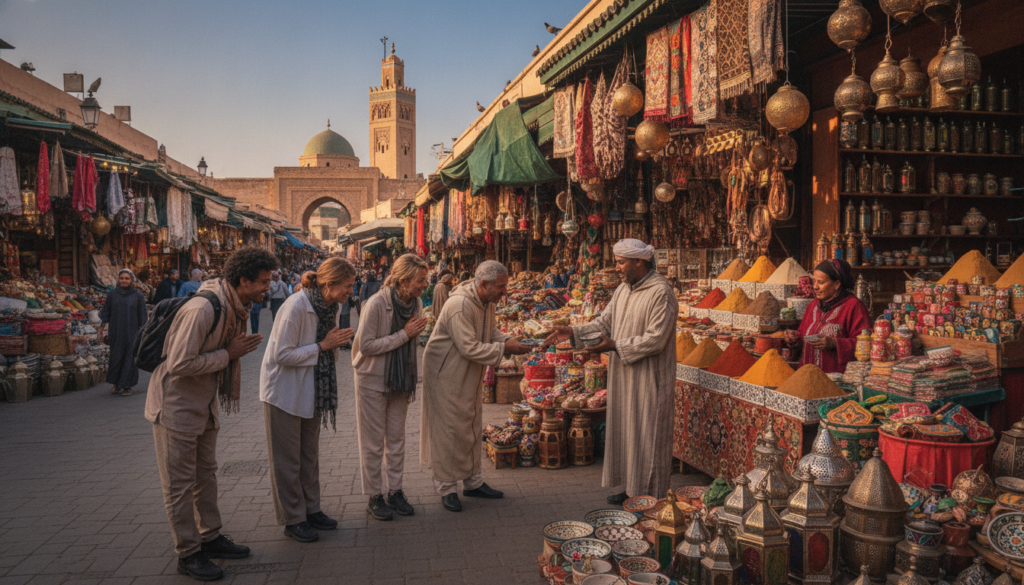
Morocco values tradition and hospitality deeply. Showing genuine respect for these customs can lead to warmer welcomes and more real experiences. Remember, your actions reflect on your country, so be polite.
Talking to locals with cultural sensitivity helps you feel more confident. Whether in cities or on tours like the best way to 3 days tour from Marrakech to Merzouga, being aware of your surroundings is critical. Always ask before taking photos of people, as it’s a sign of respect.
Appropriate Dress Code Tips
Dressing modestly is a must for safe travel in Morocco. Even in big cities, it’s wise to cover your shoulders and knees. This helps you fit in and avoid unwanted attention.
Women should carry a light scarf for covering in religious sites or villages. Men should avoid tank tops or short shorts in traditional areas. Dressing modestly shows you respect the culture and makes your trip safer and more enjoyable.
Crime and Safety Statistics in Morocco
Planning your trip to Morocco? You want to know about safety in Morocco. Morocco isn’t perfect, but knowing the local scene helps you feel safer. With professional tours, you can explore with confidence.
Types of Crime Tourists Might Encounter
Most crimes in Morocco are small, not violent. Be careful with your stuff in crowded places or markets.
Here are some common issues tourists face:
- Pickpocketing: Happens in crowded spots or tourist areas.
- Bag snatching: Can occur if you leave things unattended.
- Unsolicited guidance: People might offer unwanted services for money.
Keep your valuables safe and stay alert. A proactive approach to security is key to a safe trip in Morocco.
Areas Considered Safe for Visitors
Morocco is big and varied, with many safe spots for tourists. Tourist areas have lots of police, keeping things orderly.
Here are some safe places to stay:
- Modern Districts: Places like Gueliz in Marrakech are modern and safe.
- Resort Zones: Agadir and Tangier have tourist areas with lots of police.
- Established Riads: Staying in good riads in medinas is usually safe.
Research your area and choose safe spots. Being aware helps keep you safe in Morocco.
Health and Medical Considerations
When thinking about Morocco tourist safety, your health is key. Planning ahead helps you enjoy your trip without worries. It makes your journey unforgettable.
Vaccinations and Travel Health Tips
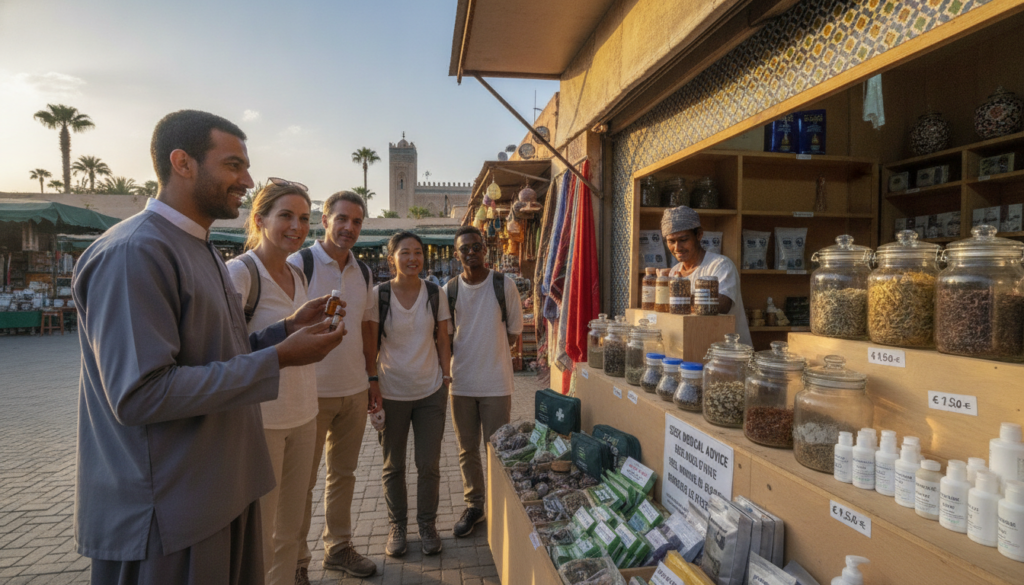
See a travel clinic before you go. Make sure your shots are current. Experts suggest Hepatitis A and Typhoid vaccines for food and water safety. Stay hydrated in the desert’s heat.
Drink only bottled or purified water to avoid stomach problems. Use sunscreen with high SPF and wear light clothes to protect your skin from the sun. For a long trip, look into top Morocco tour companies that focus on your health and safety.
Accessing Medical Services in Morocco
In cities like Casablanca, Marrakech, and Rabat, you’ll find good private clinics. They can handle common tourist health issues. Always have travel insurance that covers medical costs.
Pharmacies, marked by a green cross, offer advice and remedies for small health problems. Carry your medication list and any allergies with you. It helps doctors if you need help.
| Service Type | Availability | Recommendation |
|---|---|---|
| Private Clinics | High in major cities | Best for urgent care |
| Local Pharmacies | Widely accessible | Good for minor issues |
| Emergency Services | Available 24/7 | Dial 15 for ambulance |
| Travel Insurance | Required | Always carry proof |
Transportation Safety in Morocco
Traveling to a new country means understanding local transport systems for your safety. Knowing how to get around will make your trip confident and easy. Here are key travel safety tips for Morocco to guide you.
Navigating Public Transportation
Morocco’s trains, run by ONCF, are the safest and most comfortable for long trips. They connect big cities like Casablanca, Marrakech, and Tangier. Always book your tickets early to avoid stress at the station.
For buses, choose CTM or Supratours. They offer secure luggage handling. Stay away from unofficial buses, as they lack safety features.
Best Practices for Taxi Usage
In Morocco, taxis are common but come in two types. Petit taxis are for short trips, while Grand taxis are for longer routes. Make sure the taxi is official by checking its color and roof sign.
Before you go, agree on the fare or check the meter. If the driver won’t use the meter, talk the price first. These tips will keep your taxi ride safe and smooth.
| Transport Mode | Best Use Case | Safety Level | Booking Method |
|---|---|---|---|
| ONCF Trains | Intercity Travel | High | Online or Station |
| CTM/Supratours | Long-distance Bus | High | Online or Agency |
| Petit Taxi | Within City | Moderate | Street Hail |
| Grand Taxi | Intercity/Shared | Moderate | Taxi Stand |
Tips for Enjoying Local Markets Safely
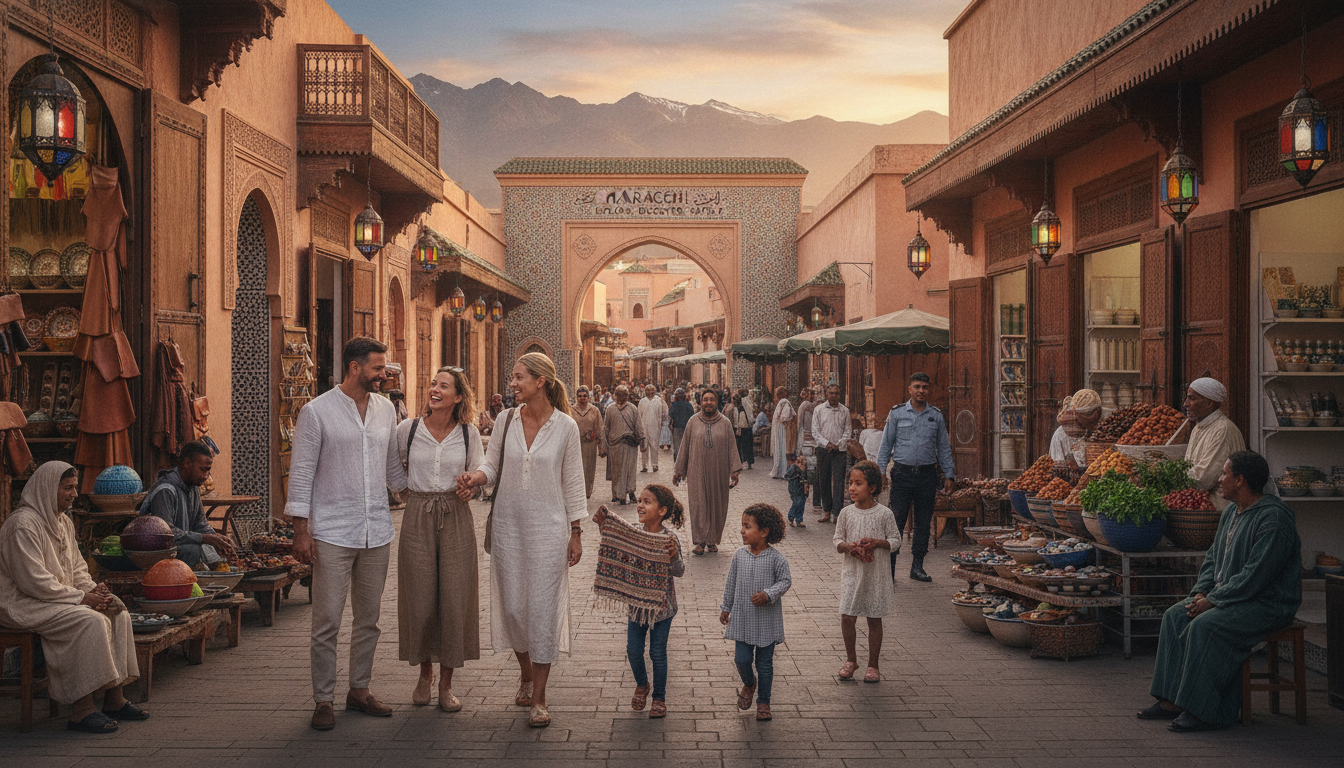
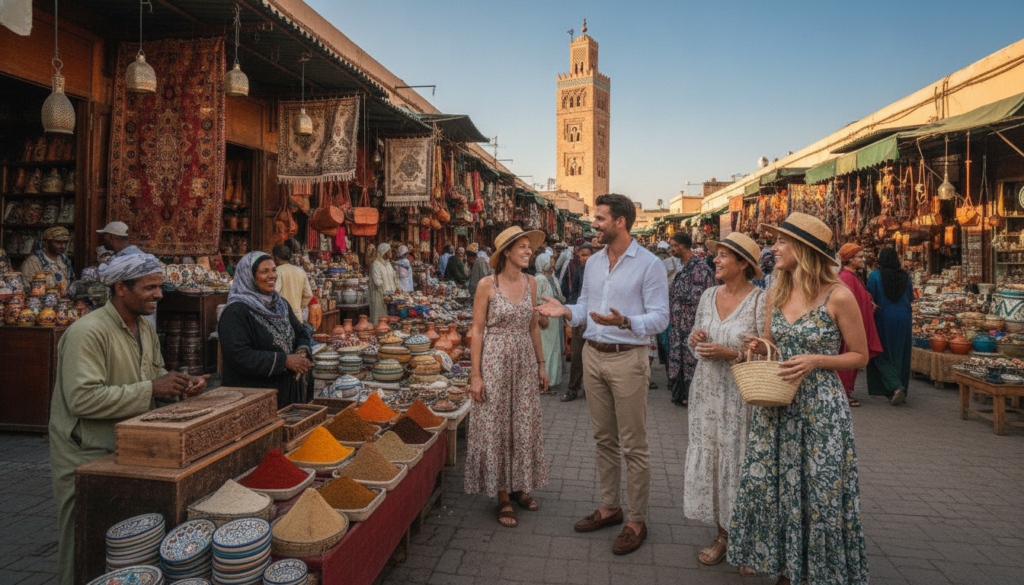
Exploring Morocco’s local markets is exciting. But, it’s important to stay safe. You can enjoy the sights, smells, and sounds without worry. Just be alert and you’ll have a great time.
Bargaining and Keeping Valuables Secure
Bargaining is a big part of Moroccan markets. Be friendly and respectful when you haggle. Always keep your things close to you. Use a bag with secure zippers and don’t carry too much cash.
“The art of the deal is not about winning, but about finding a price that leaves both the buyer and the seller smiling.” — Local Artisan
Planning your trip? Check out the best way to plan a Morocco 5-day trip. This way, you’ll visit the best places. Keep your valuables safe so you can enjoy the shopping without worry. Always keep your phone close to avoid any safety issues.
Recognizing Common Scams
Knowing common scams can help you shop without stress. Some people might try to lead you to certain shops for a commission. It’s best to say no and find your way on your own.
- Fake Guides: Politely decline offers from strangers who insist on showing you the “best” way to a landmark.
- Overpriced Goods: Research the general value of items before you start bargaining to avoid paying significantly more than the market rate.
- Distraction Tactics: Be wary of sudden crowds or people bumping into you, as these can be attempts to access your pockets.
Stay alert and trust your instincts. This way, you can enjoy the markets safely. Remember, the goal is to make lasting memories, not to worry about safety.
Staying Connected While Traveling
Digital connectivity is key when exploring Morocco’s cities. It helps you access maps, translation apps, and communication tools. Your phone is essential for staying informed, whether in a busy medina or on the move.
Mobile Phone and Internet Access
Buying a local SIM card is the best way to stay connected. Companies like Maroc Telecom, Orange, and Inwi offer cheap plans. You can get a SIM card at the airport or local shops with your passport.
Another option is an international roaming plan from your home carrier. It’s pricier but keeps your number active. Always check your roaming rates before you go to avoid surprise bills.
“Technology is best when it brings people together and keeps them informed during their journeys.”
Emergency Contact Information to Have
Being prepared is key to staying safe in Morocco. Save these emergency numbers in your phone and carry a physical copy. This way, you can act fast if needed.
- Police (General): 19 (from landlines) or 112 (from mobile phones).
- Ambulance/Fire Department: 15.
- Gendarmerie Royale (Rural areas): 177.
- U.S. Embassy in Rabat: +212 537-63-72-00.
Also, download offline maps and a reliable translation app. These are useful in areas with no signal. By being prepared, you make your trip to Morocco safer and more enjoyable.
Choosing Accommodations Wisely
Finding the right place to stay is key to staying safe in Morocco while traveling. Where you stay greatly affects your safety and comfort. Choosing a safe location lets you explore with more confidence.
Safe Neighborhoods for Tourists
In big cities, some areas are safer and friendlier to tourists. For example, Gueliz in Marrakech has modern streets and lots of police. Fes’s Ville Nouvelle is also safe, with a modern vibe and easy-to-find places.
In Rabat, Agdal is great for its lively cafes and close to famous spots. It’s well-lit and busy at night. For tips on staying safe as a female tourist, check out this guide.
Types of Accommodations and Safety
Morocco has many places to stay, each with its own safety features. Riads, traditional houses with courtyards, are very private and secure. They have one entrance, making them a peaceful sanctuary from the outside world.
Staying in big hotels is also a good choice for their strict security. They have 24/7 front desks, secure keys, and cameras. Hostels are cheaper and fun, but they might not be as private. So, pick ones with lockers or private rooms to stay safe in Morocco.
Understanding Local Laws and Regulations
When you’re visiting Morocco precautions are key. Start by learning the laws before you go. Knowing the local laws helps you avoid mistakes and makes your trip better.
Essential Laws Every Tourist Should Know
Morocco’s laws mix civil and Islamic rules. It’s important to respect local customs. Avoid public displays of affection or bad language to stay out of trouble.
Always carry your passport. Police might ask for it anytime. Don’t take photos of government buildings or military areas. Ask before taking pictures of people, even in small towns.
Penalties for Breaking Local Laws
Morocco takes public order seriously. Breaking laws can lead to fines, deportation, or jail. Remember, you must follow the laws of Morocco, and your embassy can’t always help.
Drug crimes have very harsh penalties. Stay careful to avoid legal trouble. By following these visiting Morocco precautions, you’ll have a great trip.
| Legal Category | Action to Avoid | Potential Consequence |
|---|---|---|
| Public Conduct | Disrespecting religious sites | Fines or expulsion |
| Photography | Capturing military zones | Confiscation of equipment |
| Substances | Possession of illegal drugs | Severe prison sentence |
| Documentation | Traveling without ID | Detention for questioning |
Preparing for Natural Elements
Morocco’s landscapes, from the Sahara’s sands to the Atlas Mountains, are stunning. Yet, they require respect. When planning your trip, remember to take visiting Morocco precautions for the environment. This ensures a safe and enjoyable journey.
Weather Conditions and Natural Disasters
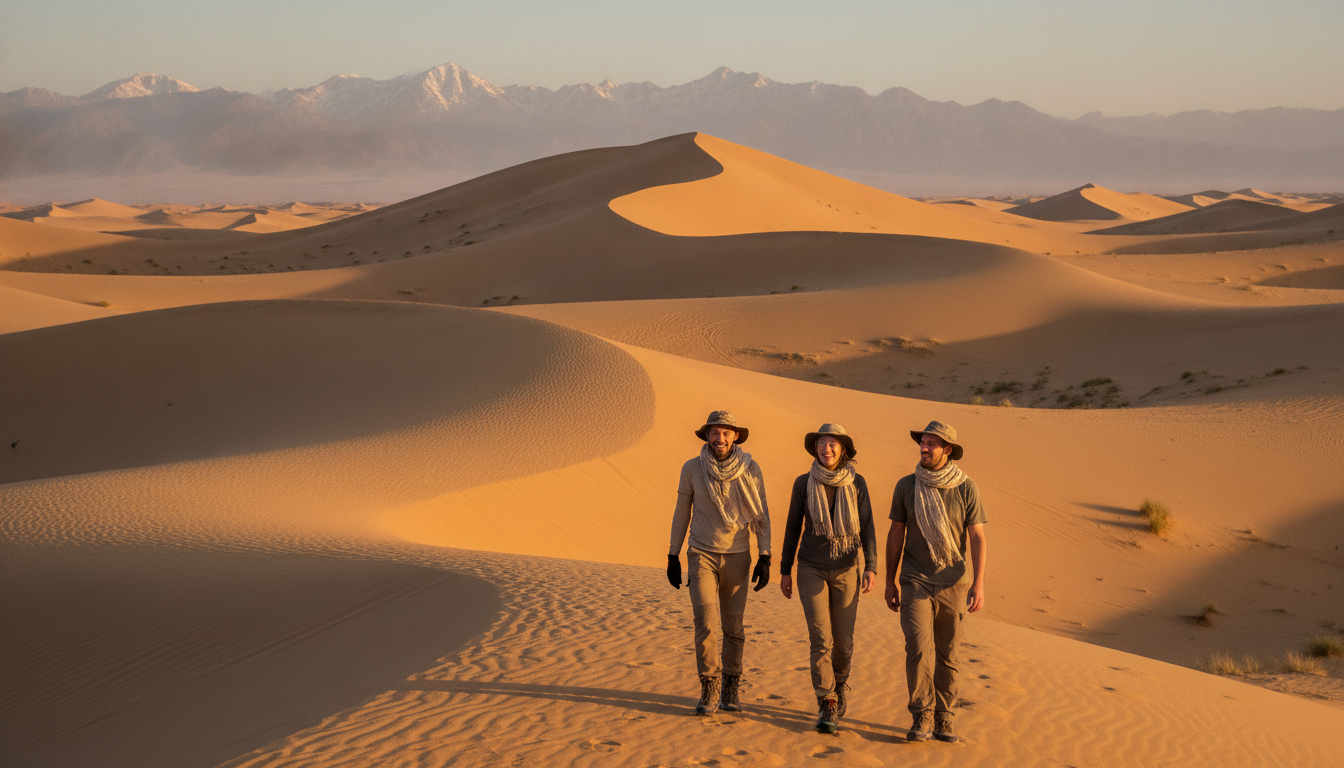
Morocco’s weather can be extreme, changing with the season and location. In the desert, it gets very hot during the day but cold at night. Always check the weather forecast before venturing into remote areas to avoid heatstroke or hypothermia.
While rare, flash flooding can happen in desert wadis and mountain valleys during heavy rain. These floods can be dangerous for travelers in low-lying areas. Here are some safety tips:
- Monitor weather alerts through reliable local news sources.
- Avoid camping in dry riverbeds, even if the sky looks clear.
- Carry extra water and high-energy snacks at all times.
Safety Measures for Hiking and Outdoor Activities
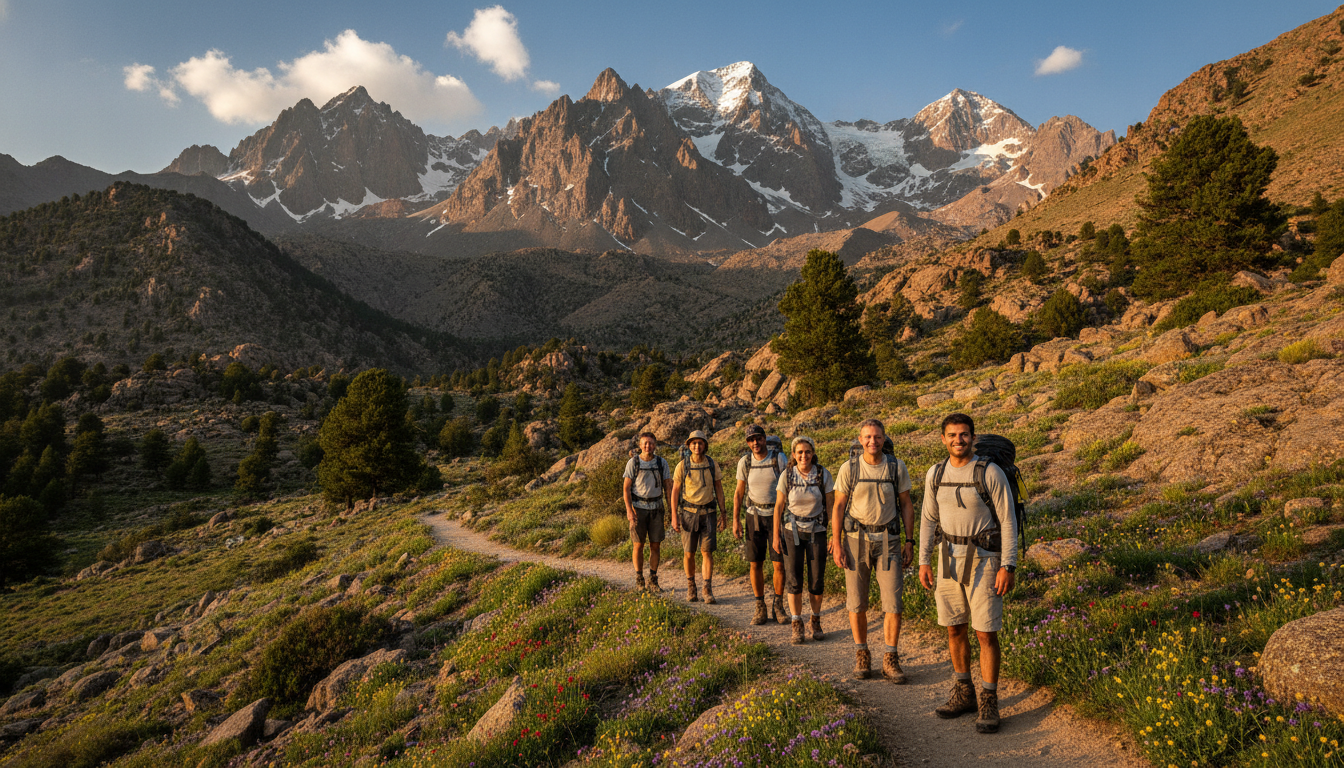
For hiking in the High Atlas or desert exploration, preparation is key. Many trails are far from mobile reception. Hiring a certified local guide is a critical visiting Morocco precaution.
Guides know the terrain, weather, and emergency exits well. They keep you on safe paths, preventing accidents. Before hiking, consider these steps:
- Wear sturdy, broken-in hiking boots to protect your ankles.
- Dress in layers to adapt to changing mountain temperatures.
- Share your planned route and expected return time with your accommodation host.
Respecting nature and following these visiting Morocco precautions allows you to explore Morocco’s wild beauty safely. With the right gear and local knowledge, your outdoor adventures will be secure.
Final Thoughts on Safety in Morocco
Exploring North Africa is a mix of old history and new life. Many wonder if Morocco is safe before they go. The answer is yes, if you stay alert and respect local ways.
Looking for ideas? Check out a quick guide for 5 days. It shows you the best spots and local experiences. Local guides can make your trip safer and more interesting.
Embracing Cultural Experiences with Caution
Dressing modestly is key when exploring Morocco. It shows respect in villages and religious places. Also, keep your valuables safe in busy markets.
Enjoying a Safe and Memorable Trip
Stay safe by staying hydrated and connected. Drink bottled water and use sunscreen. With good planning and an open mind, your trip will be unforgettable.