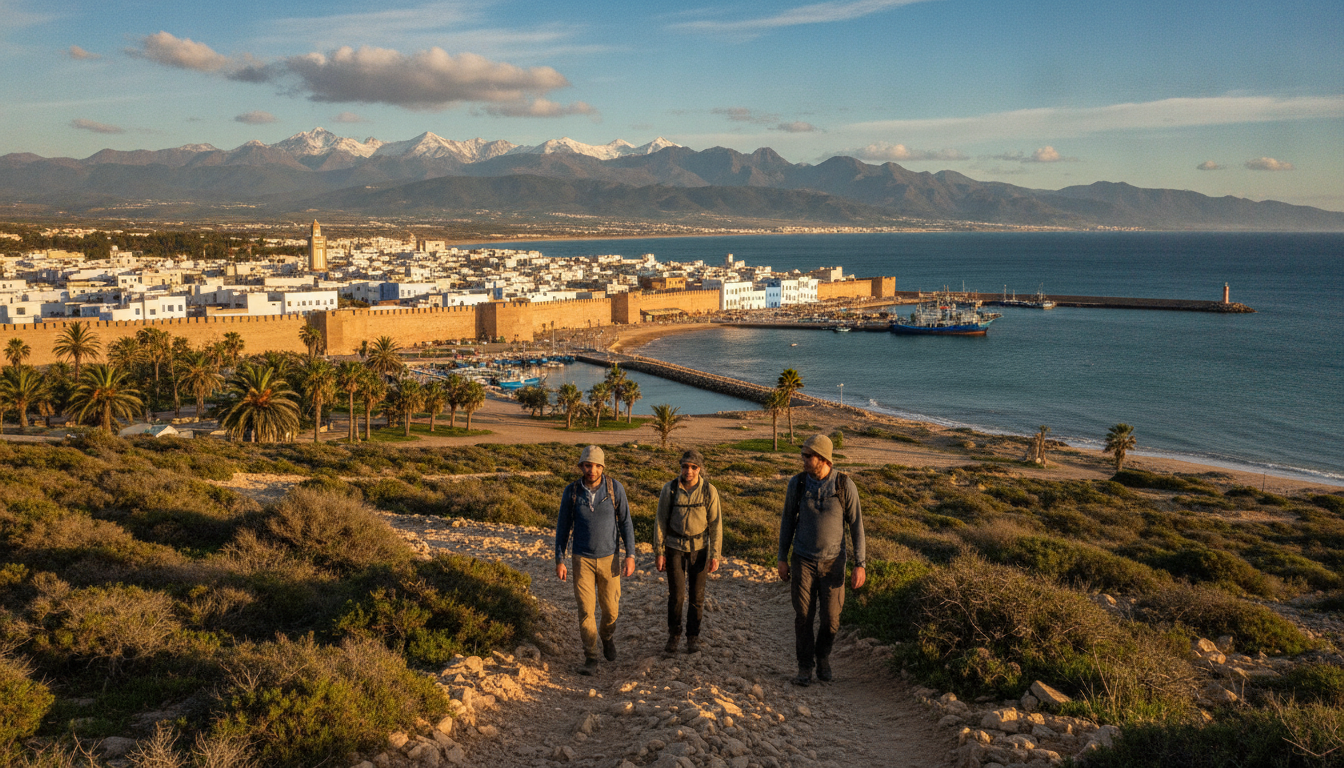
Imagine walking through narrow blue alleys where history whispers from every stone. You deserve an adventure that stirs your soul and awakens your senses. Planning a getaway to North Africa should not feel stressful or difficult for you.
To start your journey, consider the best way to visit during spring or fall. These seasons offer perfect weather for exploring vibrant markets and golden dunes. You can call us at +212 663 505 686 to begin crafting your dream itinerary today.

This expert travel guide helps you navigate everything from packing light to selecting local transport. Realize your travel goals by following our simple, expert steps. You should plan for at least seven to ten days to truly see the sights.
Choose your destination carefully to match your specific interests. Whether you love cultural exploration or outdoor thrills, preparation is the key to success.
This tour will stay in your memory forever. Pack your bags with excitement and let the magic begin.
1. Discover Morocco: Why You Should Tour This Vibrant Country
Morocco is a mix of Arab, Berber, and French cultures. It’s a place that draws travelers from everywhere. You can find everything from busy cities to peaceful nature spots.
A Cultural Melting Pot
Morocco is known for its rich morocco culture. It’s a blend of history and traditions. You can dive into the local way of life by visiting markets, trying traditional food, and meeting the friendly people.
Some key cultural experiences include:
- Exploring historic cities like Marrakech and Fez.
- Attending a Gnawa music performance or a festival.
- Trying local foods and learning about Moroccan cuisine.
Stunning Landscapes and Diverse Geography
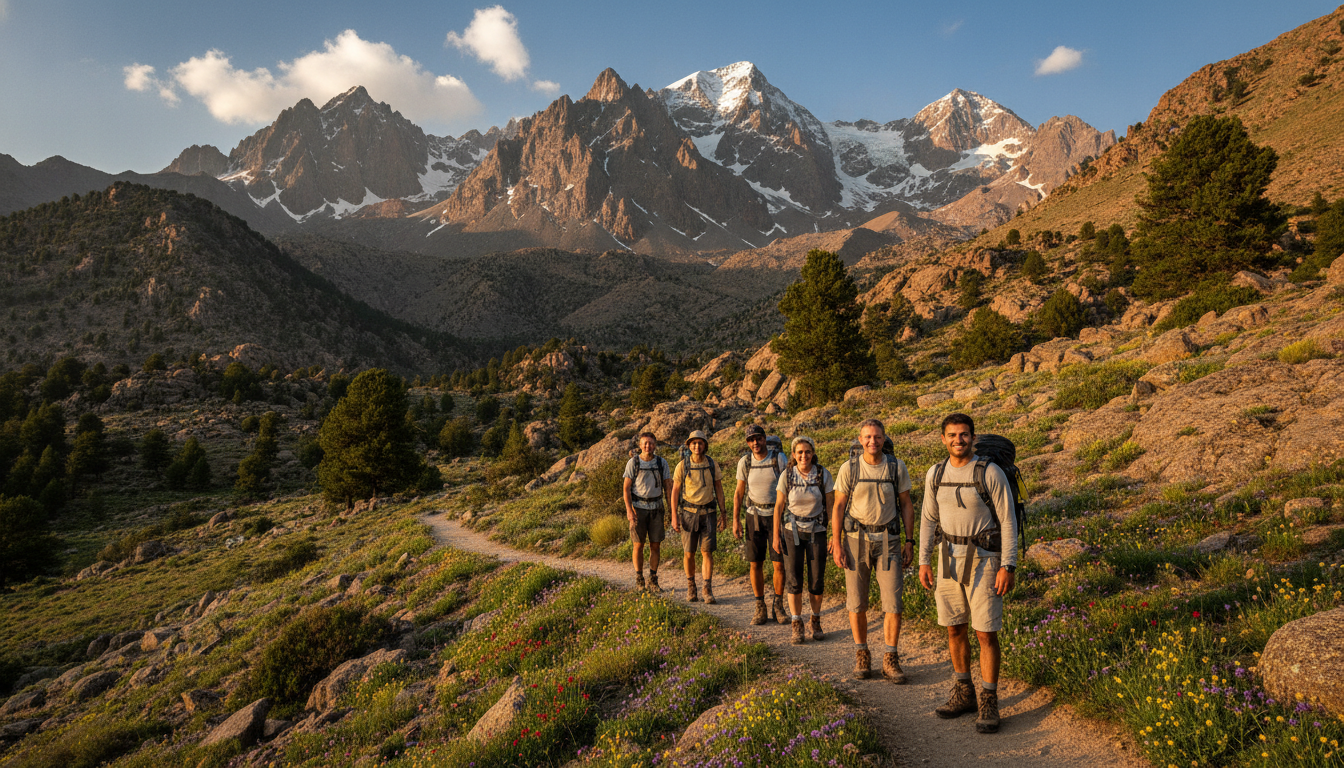
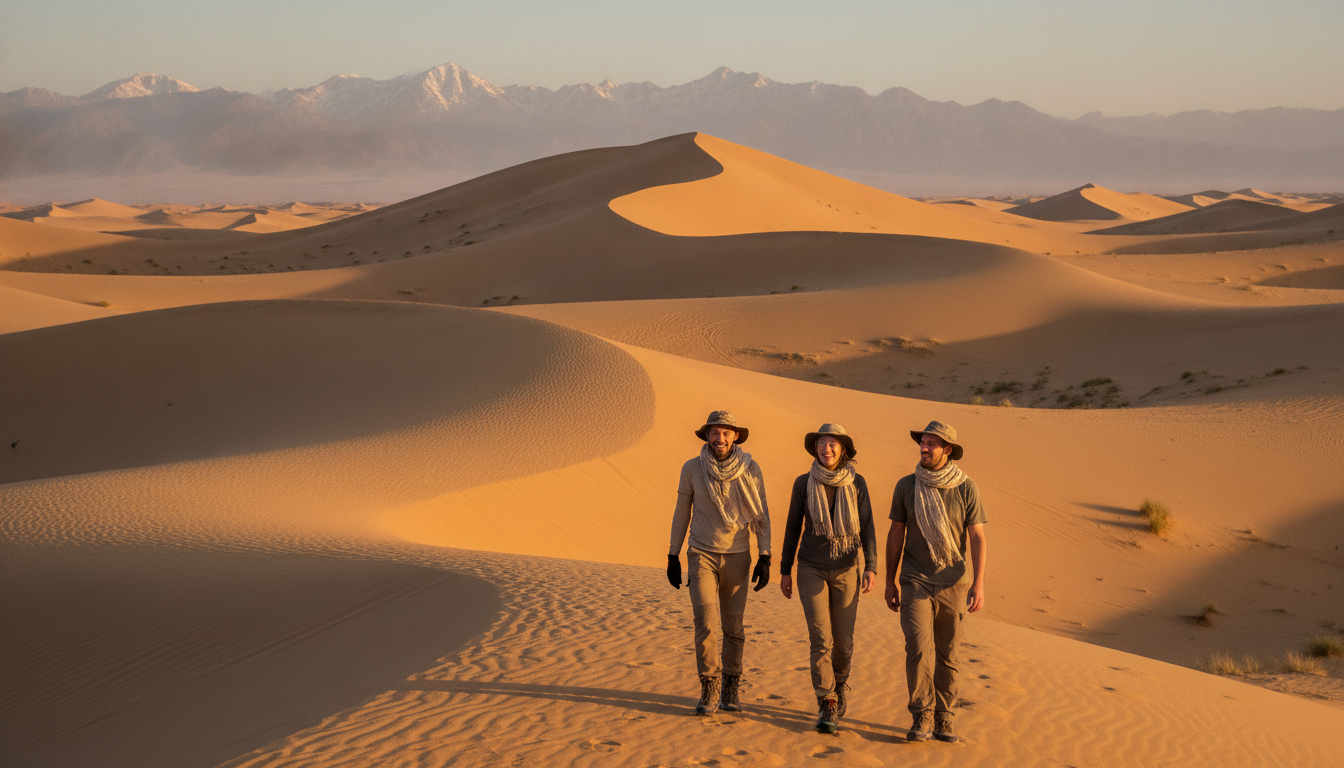
Morocco’s landscapes are as amazing as its culture. You can see the Atlas Mountains and the Sahara Desert. The Sahara is perfect for desert tours Morocco offers, with its dunes and stars.
Some geographical highlights include:
- The Atlas Mountains for hiking and trekking.
- The Sahara Desert for camel rides and camping.
- The coastal areas, like Essaouira, for beaches and relaxation.
Rich History and Architecture
Morocco’s history is seen in its buildings. You can find Roman ruins and Islamic monuments. For more on Morocco’s history and culture, check out 7 Reasons to Visit Morocco or join a guided tour with Africa Tours Marrakech.
Key historical and architectural sites include:
- The ancient city of Volubilis, a UNESCO World Heritage Site.
- The Bahia Palace in Marrakech, a showcase of Islamic art.
- The historic medinas of Fez and Marrakech, with their alleys and markets.
2. Best Time to Tour Morocco
Planning a trip to Morocco means thinking about the best time to go. You need to consider the seasons and the weather. Morocco’s geography is diverse, so the climate changes a lot from one place to another.
Seasonal Highlights
Morocco has four seasons, each with its own charm. Spring (March to May) is the best time to visit. The weather is mild, and the landscapes are in bloom. It’s perfect for exploring cities like Marrakech and Fez.
A 7-day tour in spring is a great idea. You can enjoy the vibrant culture and history without the bad weather.
- Spring: Mild temperatures, ideal for sightseeing and outdoor activities.
- Summer: Hot in the desert regions, perfect for those who enjoy warm weather.
- Autumn: Comfortable temperatures, great for exploring the Atlas Mountains and coastal areas.
- Winter: Cool in the north, ideal for skiing in the Atlas Mountains.
Avoiding Crowds
Want to avoid tourists? Visit during the shoulder season. April-May and September-October are great times. The weather is nice, and there are fewer people around.
Here are some tips for avoiding crowds:
- Plan your visit to popular sites early in the morning or later in the evening.
- Explore less-known destinations that are just as rich in culture and history.
Weather Considerations
Morocco’s weather changes a lot depending on the region. The coastal areas are milder, while the desert regions get very hot during the day and cold at night. Knowing this helps you pack right and plan your trip.
| Region | Spring | Summer | Autumn | Winter |
|---|---|---|---|---|
| Coastal | Mild | Warm | Mild | Cool |
| Desert | Hot | Very Hot | Warm | Cold |
| Mountainous | Cool | Mild | Cool | Cold/Snow |
3. Planning Your Itinerary: Must-See Destinations
Morocco is full of diverse experiences. Planning your trip well is key to enjoying it. You’ll find history, culture, and stunning landscapes everywhere.
We’ve picked three top spots for you. Each place offers a unique experience. You’ll see the lively Marrakech, the ancient Fez, and the peaceful Sahara Desert.
Marrakech: The Red City
Marrakech is a feast for your senses. The red city is famous for its colorful souks, beautiful buildings, and rich culture. Walking its streets, you’ll find:
- The Jardin Majorelle, a stunning garden by French artist Jacques Majorelle
- The historic Koutoubia Mosque, one of the biggest mosques in the Islamic world
- The lively Djemaa el-Fna square, where you can try local food, listen to music, and watch performances
Fez: A Dive into History
Fez is Morocco’s oldest imperial city, with a history over 1,000 years old. It’s a mix of old and new, showing the country’s rich past. Don’t miss:
- The ancient Medina of Fez, a UNESCO World Heritage Site
- The Al-Attarine Madrasa, a madrasa with amazing tile work
- The Dar Batha Museum, which displays traditional Moroccan crafts
The Sahara Desert Experience
Visiting the Sahara Desert is a must in Morocco. You can take a desert tour Morocco or explore on your own. The Sahara offers an adventure you won’t forget. Enjoy:
- A sunset camel ride across the dunes
- Stargazing in the clear desert skies
- Overnighting in a traditional Berber camp under the stars
By visiting these places, your Morocco itinerary will be complete. You’ll see the best of what Morocco has to offer.
4. Choosing Your Mode of Transport
Getting ready for your Moroccan adventure? Knowing your transport options is key. Morocco has many ways to get around, each with its own perks.
Public Transport Options
Morocco’s public transport is well set up, with buses and trains. The ONCF trains are known for their comfort and get you to places like Marrakech and Fez. For shorter trips or rural areas, CTM buses are a good choice. They’re affordable and let you meet locals.
Car Rentals vs. Guided Tours
Want to go at your own pace? Rent a car. It’s great for seeing off-the-beaten-path spots. But, driving in Morocco can be tough due to busy streets. Guided tours are easier, with local guides sharing Morocco’s culture and history.

Domestic Flights for Long Distances
For long trips, flying is a smart choice. Royal Air Maroc flies between big cities, saving time. It’s perfect if you’re short on time or want to see lots of places.
Think about these transport options to plan your trip well. Morocco has something for everyone, whether you’re looking for ease, saving money, or flexibility.
5. Accommodations: Where to Stay in Morocco
Morocco has many places to stay, from luxury to budget-friendly options. You can find something that fits your needs and preferences. Whether you want luxury, affordability, or a unique experience, Morocco has it all.
Luxury Hotels and Riads
Morocco has many luxury hotels and riads for a high-end stay. Riads are traditional Moroccan houses with gardens inside. They offer a mix of old-world charm and modern comforts, found in Marrakech and Fez medinas.
Luxury riads have beautifully decorated rooms and serene courtyards. They also provide top-notch service. Riad Yacout in Marrakech and Riad Al Massira in Fez are highly recommended. They offer a peaceful escape from Morocco’s busy streets.
Budget-Friendly Hostels
For those on a tight budget, Morocco has many affordable hostels. These places are great for meeting other travelers and getting local tips. They’re often in central locations, making it easy to explore.
Hostels in Marrakech and Fez medinas are popular choices. They offer dorms and private rooms at good prices. Always check reviews to ensure a safe and comfortable stay.
Unique Stays: Berber Tents and More
For a unique experience, try staying in a Berber tent in the Sahara Desert. It’s a chance to see Morocco’s desert beauty and enjoy traditional hospitality.
Other unique stays include kasbahs and dar (traditional Moroccan houses). They give you a peek into Morocco’s history and culture. These places often offer personalized service and local experiences, making your stay unforgettable.
6. Essential Packing List for Your Tour
Morocco is a land of contrasts, from the cool Atlas Mountains to the hot Sahara Desert. Your luggage needs to be ready for anything. A well-planned packing list is essential.
Clothing Considerations
Layers are the key to comfortable travel in Morocco. You’ll need:
- Lightweight clothes for warm days
- Warm layers for cooler evenings, like in the desert or mountains
- Comfortable shoes for walking or hiking
- Modest clothes for mosques or rural areas
- A hat, sunglasses, and sunscreen for sun protection
For a 7-day tour in Morocco, pack clothes that can be mixed and matched. This way, you can create multiple outfits.
Travel Documents
Make sure you have all the travel documents you need:
- A valid passport with at least six months’ validity
- Visa, if required (check with the Moroccan embassy or consulate)
- Travel insurance documents
- Hotel reservations or confirmation numbers
- Any required health certificates or vaccination records
Gadgets and Gear
Don’t forget your gadgets and gear:
- A universal power adapter for Morocco (Type C, E, or F)
- A portable charger for your devices
- A camera with extra batteries or a charger
- A water bottle to stay hydrated
- Snacks, if you have specific dietary needs
By carefully planning your Morocco packing list, you’ll be ready for an amazing adventure.
7. Navigating Moroccan Customs and Etiquette
Knowing Moroccan customs and etiquette is key for a respectful trip. Morocco has a rich culture. Being aware of local norms can greatly improve your interactions.
Dress Code and Respectful Attire
Morocco is conservative, so dressing modestly is wise, mainly in mosques or rural spots. Women should cover their shoulders and knees as a sign of respect. Men should avoid shorts in conservative places. The djellaba, Morocco’s traditional attire, is modest and comfy.
Dining Etiquette
Dining is big in Moroccan culture, and meals are for socializing. When dining, eat with your right hand because the left is seen as unclean. Also, trying a bit of everything shows you appreciate the host’s effort.
Moroccan food is rich and varied, with favorites like tagine and couscous. Being open to local dishes and following the host’s lead makes dining better.
Common Gestures and Phrases
Learning basic Arabic phrases shows respect for the culture. Saying “As-salamu alaykum” (peace be upon you) is common and valued. Using your right hand for giving or receiving is polite. Knowing these gestures helps you navigate social situations better.
Morocco values hospitality, and visitors are often welcomed warmly. By respecting local customs, you can have positive interactions and make lasting memories.
8. Food You Must Try While Touring Morocco
Morocco’s food is as varied as its landscapes. Its cuisine is filled with aromas and tastes. While exploring, you’ll find many tasty dishes that show off its rich culture.
Traditional Dishes to Sample
Moroccan food is famous for its strong flavors and spices. You should try:
- Tagine: A slow-cooked stew cooked in a special pot.
- Couscous: A dish from North Africa made from semolina flour, served with veggies and meat.
- Harira: A rich soup with tomatoes, lentils, and chickpeas.
These dishes are not just tasty. They also give you a peek into Morocco’s cooking traditions.
Local Markets and Food Tours
Visiting local markets, or souks, is a great way to taste Moroccan food. You can try local treats and buy ingredients to cook your own meals. Joining a food tour is a good idea to find hidden spots and learn about the food’s history.

Vegan and Vegetarian Options
Morocco has many vegan and vegetarian choices, like:
| Dish | Description |
|---|---|
| Vegetable Tagine | A flavorful stew with various veggies and spices. |
| Stuffed Bell Peppers | Bell peppers filled with rice, herbs, and spices. |
| Chakchouka | A spicy vegetable stew from North Africa. |
These options show the variety and richness of Moroccan food. They make sure everyone can enjoy the local tastes.
9. Safety Tips for Traveling in Morocco
Traveling in Morocco is exciting, and knowing the safety tips is key. Morocco is full of life and culture. With some simple precautions, you can have a safe and fun trip.
Staying Secure in Crowded Places
Crowded spots like markets and tourist areas can be tricky. To stay safe, watch your stuff and be aware of your surroundings. It’s wise to keep valuables safe and think about using a money belt.
Tips for Crowded Places:
- Be careful of pickpocketing and small thefts.
- Don’t show off wealth (like fancy jewelry or watches).
- Travel in groups when you can.
Health Precautions
Morocco is mostly safe for health, but precautions are needed. Make sure your vaccinations are up to date. Also, take steps to avoid heat sickness.
| Health Precaution | Description |
|---|---|
| Stay Hydrated | Drink lots of water to avoid dehydration. |
| Sun Protection | Use sunscreen and wear protective clothes. |
| Food Safety | Eat at trusted places and avoid raw food. |
Emergency Contacts and Local Laws
Knowing emergency numbers and laws is vital. For medical emergencies, call 15. For police, dial 19.
Understanding local laws and customs is important for a smooth trip. Morocco has strict drug laws. Also, dress modestly, even in cities, and more so in rural areas.
10. Engaging with Local Culture Responsibly
Exploring Morocco means more than just seeing sights. It’s about connecting with the local culture in a respectful way. This enriches your trip and helps the communities you visit. Morocco’s rich heritage makes it key to know how to interact with locals.
Responsible Tourism Practices
Morocco is all about responsible tourism. It ensures tourism helps the local economy and environment. Look for tours that focus on cultural immersion and community engagement, like Morocco cultural tours.
Reducing your environmental impact is important. Use water wisely, avoid plastic, and respect wildlife and nature. This helps keep Morocco beautiful for others to enjoy.
Supporting Local Artisans
Morocco is famous for its artisans and their crafts. Supporting them helps keep traditional crafts alive and boosts the local economy. Look for genuine, local products and be ready to bargain at markets.
Visiting local markets and cooperatives supports artisans directly. You’ll find everything from textiles to pottery. Every purchase helps the community.
Understanding Moroccan Traditions
Moroccan culture is rich in tradition. Knowing these customs makes your trip better. Morocco is an Islamic country, so respect is key, like during Ramadan. Dress modestly, showing respect in mosques or rural areas.
Learning basic Arabic phrases like “hello” (Marhaba) and “thank you” (Shukran) shows respect. Moroccans value visitors who try to understand and respect their ways.
Responsible engagement with Moroccan culture makes your trip more meaningful. It also helps preserve the country’s heritage. Supporting artisans and respecting traditions are just a few ways to make a difference.
11. Making the Most of Your Tour Experience
To fully enjoy Morocco’s beauty and culture, think about how you want to explore. Your choice of travel can greatly affect your experience.
Guided vs. Self-Guided Tours
First, decide between a guided tour or a self-guided tour. Guided tours give you local insights and help you find hidden spots. Self-guided tours let you set your own pace and make spontaneous choices. Look at local Morocco tours to find what fits you best.
Guided tours are great for navigating big cities like Marrakech or Fez. But if you love adventure and don’t mind getting lost, self-guided tours offer a closer look at local culture.
Local Events and Festivals
Joining local events and festivals is a great way to learn about Moroccan culture. Morocco hosts many festivals, like the Marrakech International Film Festival. These events let you see the country’s culture and meet locals and travelers.
Plan your visit to catch one of these festivals. It’s a chance to feel Morocco’s lively spirit. Check the festival calendar early to plan your trip.
Capturing Memories: Photography Tips
Photography can be a fun part of your trip. The golden hour before sunset is perfect for photos. It gives soft, warm light that highlights architecture and landscapes.
Always ask permission before taking someone’s photo. Moroccans are friendly and often enjoy sharing their stories. Try different angles and shots to make your photos interesting. For more photography tips, look into travel photography resources.
12. Get in Touch: Plan Your Tour Today
Now you know how to tour Morocco like a pro. It’s time to make your travel dreams come true. To plan your Morocco tour, just reach out to our team for help and advice.
Contact Us
Call us at +212 663 505 686 to ask about our tour packages. Our team is ready to help you create an unforgettable experience.
Customized Tours
We know every traveler is different. That’s why we offer custom tours to fit your needs. Whether you want a relaxing trip or an exciting adventure, we’ll make a tour just for you.
Start Your Journey
Don’t wait to see the magic of Morocco. Contact us today to start planning your tour. Get ready for an adventure that will give you memories to last a lifetime.