
Key Takeaways:
- Expert Planning: Discover how to balance vibrant city adventures with peaceful desert escapes.
- Seamless Logistics: Learn the essential steps to organize a stress-free journey across the country.
Imagine the scent of fresh mint tea as the sun sets over ancient red walls. You deserve a journey that touches your soul and sparks your sense of wonder. Planning a trip like this can feel overwhelming, but the right approach makes all the difference.
Picture walking through an old medina or riding a camel under the stars. These moments create memories that last forever. Our guide helps you organize every detail for a magical experience.
From Marrakech’s busy streets to the Sahara’s calm, every moment is precious. Our 14 day morocco itinerary shows you iconic sights without the hassle. We turn your travel dreams into reality.
If you’re ready to start your adventure or need more info, call +212 663 505 686 to book. Let us guide you through North Africa’s magic with ease and confidence. Your perfect escape is just one phone call away.
Why Choose a 14 Day Morocco Tour?
Going on a 14-day Morocco tour is an adventure unlike any other. It offers a wide range of experiences that highlight the country’s rich culture and stunning landscapes. This time frame lets you explore vibrant cities, historical sites, and natural wonders without feeling rushed.
With a 14-day Morocco itinerary, you get to see the best of Morocco. Whether you love history, culture, or adventure, there’s something for everyone.
Experience the Diversity of Morocco
Morocco is known for its varied landscapes and cultures. From Marrakech’s lively streets to the peaceful Sahara Desert, a 14-day tour lets you see it all. You can wander through colorful souks, visit the Bahia Palace, and enjoy Essaouira’s beaches.
Immerse in Rich Cultural Heritage
Morocco is full of history and culture. On a 14-day tour, you can dive into the local culture. Visit historical sites, enjoy Gnawa music, and try local foods. Explore ancient medinas, museums, and learn about Morocco’s history.
For a tour tailored to you, contact us at +212 663 505 686 to customize your trip.
Discover Stunning Landscapes
Morocco’s landscapes are as stunning as they are varied. From the Atlas Mountains to the Sahara Desert, a 14-day tour lets you see it all. You can hike, go camel trekking, or just enjoy the views.
Choosing a 14-day Morocco tour means more than just visiting a country. It’s a chance to explore diverse cultures, histories, and landscapes. It’s an adventure that will give you memories you’ll always treasure.
Itinerary Overview
Planning your 14-day adventure in Morocco is key. A good 14 day Morocco tour plan lets you see Morocco’s rich diversity. You’ll get to experience all that Morocco has to offer.
Cities to Include
Morocco has many vibrant cities, each with its own charm. Key cities for your 14-day trip include:
- Marrakech, known for its bustling souks and rich cultural heritage
- Rabat, the capital city, with its historical sites and modern charm
- Fez, famous for its ancient medina and traditional craftsmanship
- Casablanca, a modern city with a blend of traditional and contemporary attractions
Suggested Travel Route
Start your 14 day Morocco tour in Marrakech. Explore the Atlas Mountains and then visit Fez or Rabat. End in Casablanca. This path lets you see Morocco’s varied landscapes and culture.
Here’s a sample route:
- Days 1-3: Marrakech
- Days 4-5: Atlas Mountains and Essaouira
- Days 6-8: Fez
- Days 9-10: Rabat
- Days 11-14: Casablanca and departure
Special Events and Festivals
Morocco has many festivals and events all year. These can add to your 14 day Morocco tour. Some notable events include:
| Event | Location | Time of Year |
|---|---|---|
| Marrakech International Film Festival | Marrakech | December |
| Fez Festival of World Sacred Music | Fez | May or June |
| Essaouira Gnawa Music Festival | Essaouira | June |
Check the local event calendar to plan your trip around these unique experiences.
Best Time to Visit Morocco
When planning a 14-day Morocco tour, picking the right time is key. Morocco welcomes visitors all year, but the experience changes with the seasons.
Weather Considerations
Morocco’s weather shifts from north to south and from coast to desert. Coastal areas are milder, while inland spots get very hot in summer and chilly in winter. The Atlas Mountains are perfect for winter sports due to their cold and snowy conditions.
The desert regions, like Merzouga, are scorching during the day and freezing at night. For a desert adventure, consider a 3-day tour from Marrakech to Merzouga to see the Sahara’s stunning views.
Peak Tourist Seasons
The busiest times in Morocco are spring (March to May) and autumn (September to November). These seasons have nice weather and fewer people than summer.
- Spring is great for city tours and countryside explorations.
- Autumn is ideal for desert and coastal trips.
Local Festivals
Morocco’s culture shines through its many festivals all year. Some highlights include:
- The Marrakech International Film Festival, drawing global visitors.
- The Essaouira Gnawa Music Festival, celebrating Gnawa music and culture.
Visiting during these festivals can make your Morocco trip unforgettable.
Essential Packing List
Packing the right gear is key for a stress-free and memorable Morocco adventure. Morocco’s diverse landscapes, from the Sahara Desert to the Atlas Mountains and coastal cities, need careful packing.
Clothing for Varying Climates
Morocco’s climate changes a lot across different regions and seasons. For a 14-day Morocco tour, pack clothes that can handle these changes.
- Lightweight and breathable clothes for hot desert days
- Warm layers for cooler mountain evenings
- Comfortable walking shoes or hiking boots
- Modest clothes for visiting mosques or rural areas
Must-Have Travel Documents
Having the right travel documents is key for a smooth trip.
- Valid passport with at least six months’ validity
- Visa (if needed; check with the Moroccan embassy or consulate)
- Travel insurance documents
- Flight itinerary and hotel reservation
Recommended Gadgets and Gear
Several gadgets and gear can make your trip better.
- Power adapter for charging your devices (Type C, E, or F)
- Portable Wi-Fi hotspot for staying connected
- Sunscreen and sun hat for desert explorations
- Reusable water bottle to stay hydrated
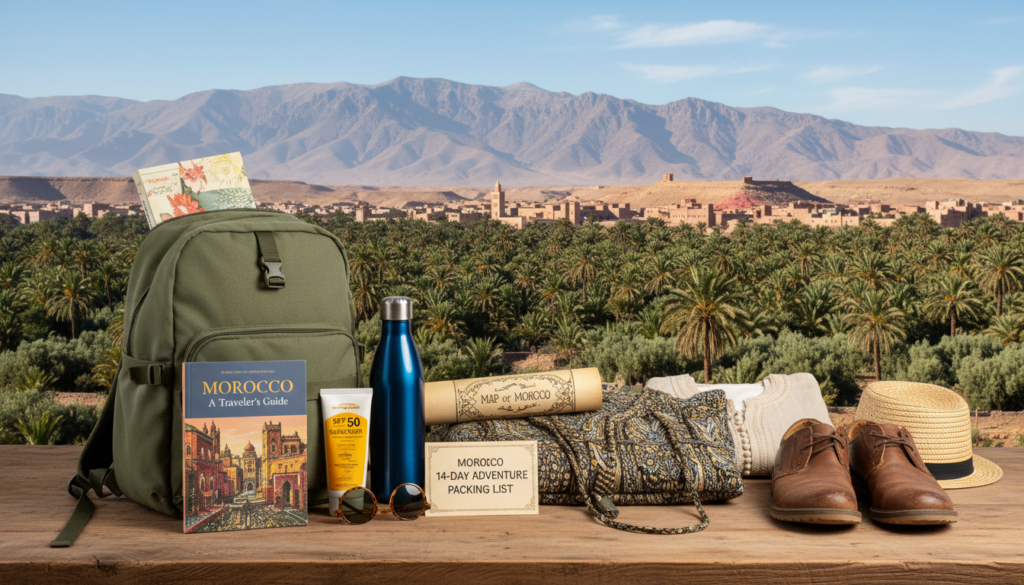
For more travel tips and to plan your trip, contact us at +212 663 505 686. Proper packing will make sure you’re ready for Morocco’s adventures.
Accommodations: Where to Stay
Morocco has many places to stay, from luxury to budget-friendly options. You can find something that fits your needs and budget.
Think about what you want from your stay. Do you want luxury or something more affordable? Morocco has it all.
Luxury Hotels vs. Budget Options
Morocco has many places to stay, from fancy hotels to cozy guesthouses. Luxury hotels offer great services, while budget options are more affordable.
Luxury Hotels have spas, fine dining, and personal service. Budget Options like hostels offer a local feel and a chance to meet others.
| Accommodation Type | Amenities | Price Range |
|---|---|---|
| Luxury Hotels | Spa, Fine Dining, Concierge | $200-$500 per night |
| Budget Hostels | Shared Kitchen, Lounge, Wi-Fi | $10-$30 per night |
| Riads | Traditional Architecture, Courtyard, Local Cuisine | $50-$150 per night |
Unique Stays: Riads and Kasbahs
Stay in a riad or kasbah for a real Moroccan feel. Riads have gardens and offer a peaceful, cultural stay. Kasbahs show Morocco’s history and nature.
These places are more than a place to sleep. They offer a chance to try local food and learn about Moroccan culture.
Booking Tips for the Best Deals
Book early for the best prices, mainly during busy times. Look at different sites and think about riads and kasbahs for savings.
Tips for Booking:
- Book early to secure the best rates.
- Compare prices across multiple booking sites.
- Consider staying in a riad or kasbah for a unique experience.
- Read reviews from other travelers to ensure quality.
Culinary Delights: What to Taste
Morocco’s flavors are as varied as its landscapes. This offers a culinary adventure that will excite your taste buds. As you explore, you’ll enjoy a wide range of tasty dishes that show off its rich culture.
Moroccan food is a mix of Arab, Mediterranean, and African tastes. It focuses on fresh ingredients and spices. On your 14-day Morocco tour, try the country’s famous dishes and drinks.
Traditional Moroccan Dishes
Moroccan food is known for its rich flavors. It often combines meat, vegetables, and dried fruits. Some dishes you must try include:
- Tagine: A slow-cooked stew cooked in an earthenware pot. It’s made with meat, vegetables, and dried fruits.
- Couscous: A North African dish from semolina flour. It’s served with vegetables and meat.
- Harira: A warm soup with tomatoes, lentils, chickpeas, and spices.
Street Food You Shouldn’t Miss
Morocco’s street food is lively and varied. It offers many tasty and affordable options. Don’t miss:
- Grilled Meats: Skewers of marinated meat, served with spices and bread.
- Fresh Juices: Juices from fruits like oranges, lemons, and pomegranates.
- Msemen: A pancake that can be savory or sweet. It’s often filled with onions, meat, or honey.
For a deep culinary experience, take a food tour. It will take you to the best local spots and markets.
Best Local Restaurants
Morocco has many restaurants, from traditional riads to modern places. Some top spots include:
- Le Grand Café in Marrakech, famous for its historic vibe and pastries.
- Café Arabe in Marrakech, blending traditional Moroccan food with modern twists.
- La Sqala in Essaouira, known for fresh seafood and local dishes.
Transportation Options in Morocco
Traveling to Morocco means knowing your transport choices well. Morocco has many ways to get around, each with its own benefits. They fit different travel styles and preferences.
Public transport is a smart and cheap way to move around cities and towns. Buses and trains link major cities.
Using Public Transportation
Morocco’s public transport is efficient. Trains are the quickest way to travel between big cities. ONCF’s modern trains are comfy and reliable. For shorter trips or city travel, buses are better.
Here are some tips for using public transport in Morocco:
- Trains are more comfortable and fast than buses.
- Buses are cheaper and good for short trips.
- Always check the schedule before you go.
Renting a Car vs. Guided Tours
Renting a car gives you freedom to explore Morocco at your pace. It lets you see places not many visit. But, driving in Morocco can be tough, mainly in cities.
Guided tours are easy and stress-free. They include transport, stay, and a guide who knows about Moroccan culture and history.
| Transportation Method | Flexibility | Cost | Convenience |
|---|---|---|---|
| Public Transportation | Limited | Affordable | High |
| Renting a Car | High | Moderate to High | Moderate |
| Guided Tours | Limited | High | High |
| Domestic Flights | Limited | High | High |
Domestic Flights for Long Distances
Domestic flights are great for long trips. They save time and show off Morocco’s beauty from above. Cities like Marrakech, Fez, and Casablanca have airports for domestic flights.
Choosing the right transport depends on what you value most: convenience, cost, or freedom. Knowing your options helps plan a 14-day Morocco trip that fits your style.
Cultural Etiquette and Customs
To really get into Moroccan culture, knowing the local customs is key. Morocco has a deep cultural history. Being aware of these customs can make your trip better. You can learn more about local tours and experiences on Africa Tours Marrakech.
Respecting Local Traditions
Morocco is an Islamic country, so it’s important to respect Islamic traditions. For example, during Ramadan, many places close during the day. It’s polite to not eat in public during these hours. Also, be careful in mosques or religious sites.
Key Traditions to Respect:
- Greeting locals with a respectful “As-salamu alaykum” (peace be upon you).
- Removing your shoes before entering a mosque or a local home.
- Avoiding public displays of affection.
Tips for Interaction with Locals
Talking to locals can be very rewarding. Moroccans are very welcoming. With a few simple actions, you can make strong connections. Here are some tips:
| Interaction Tip | Description |
|---|---|
| Learn Basic Arabic Phrases | Greeting locals in Arabic shows respect. |
| Be Patient | Building trust takes time, so be patient. |
| Respect Personal Space | Be mindful of physical proximity, as personal space is valued. |
Dress Code Guidelines
Dressing modestly is important in Morocco, more so in rural areas or religious sites. Women should cover their shoulders and knees. Men should avoid shorts and sleeveless shirts.
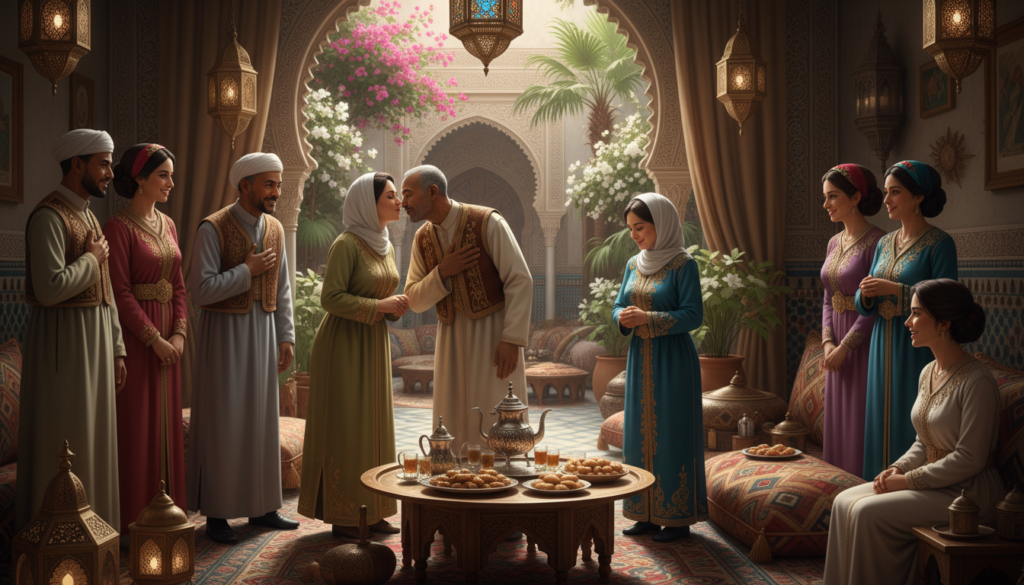
Understanding and following these guidelines shows respect for the local culture. It also makes your trip more enjoyable.
Adventure Activities to Experience
Morocco is a dream for adventurers, with everything from hiking to camel trekking. Its varied landscapes mean there’s something for everyone, no matter your interest or how much thrill you seek.
Hiking in the Atlas Mountains
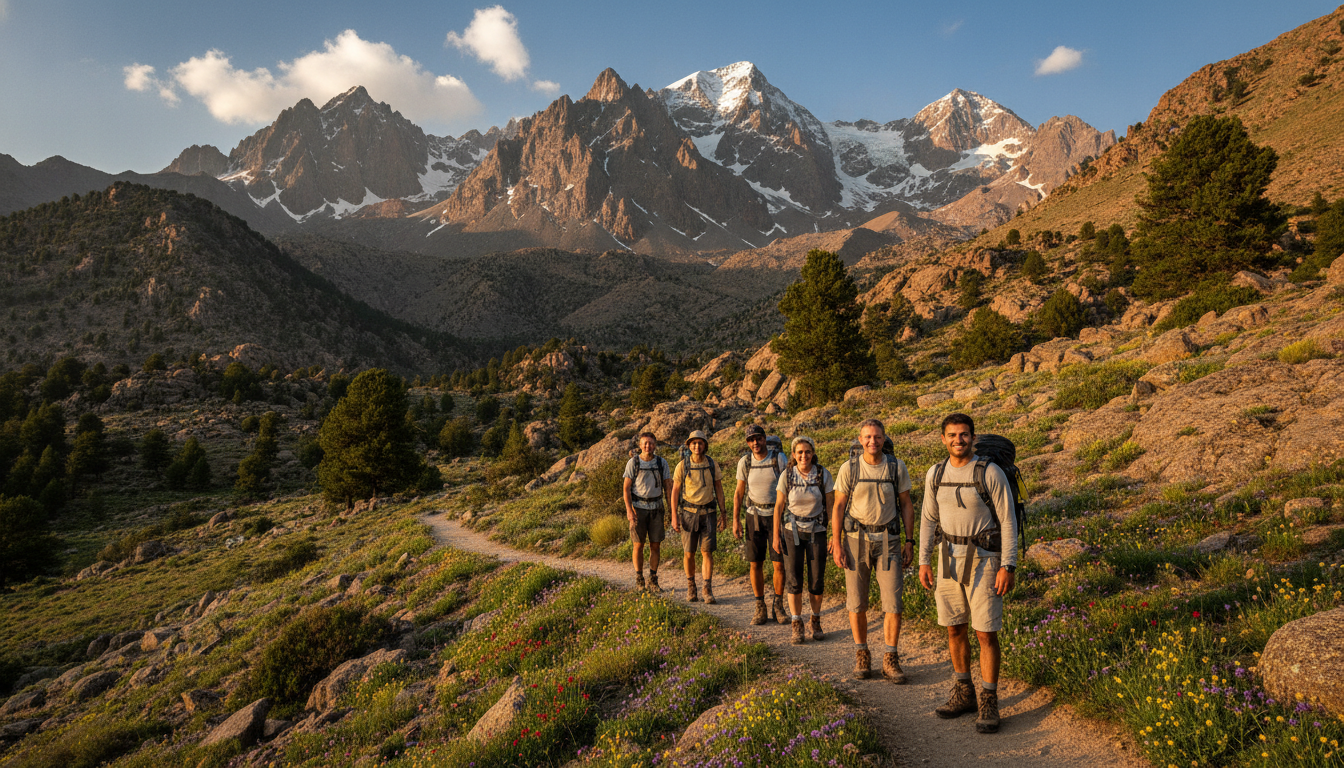
The Atlas Mountains boast some of Morocco’s most stunning hiking trails. You can trek through rugged terrain, visit Berber villages, and see amazing views. For a big challenge, try Toubkal National Park to climb North Africa’s tallest peak.
If you prefer easier hikes, there are many trails with beautiful views. You don’t need to be an expert climber. Plan your trip with a local guide for a safe and fun hike.
Camel Trekking in the Sahara
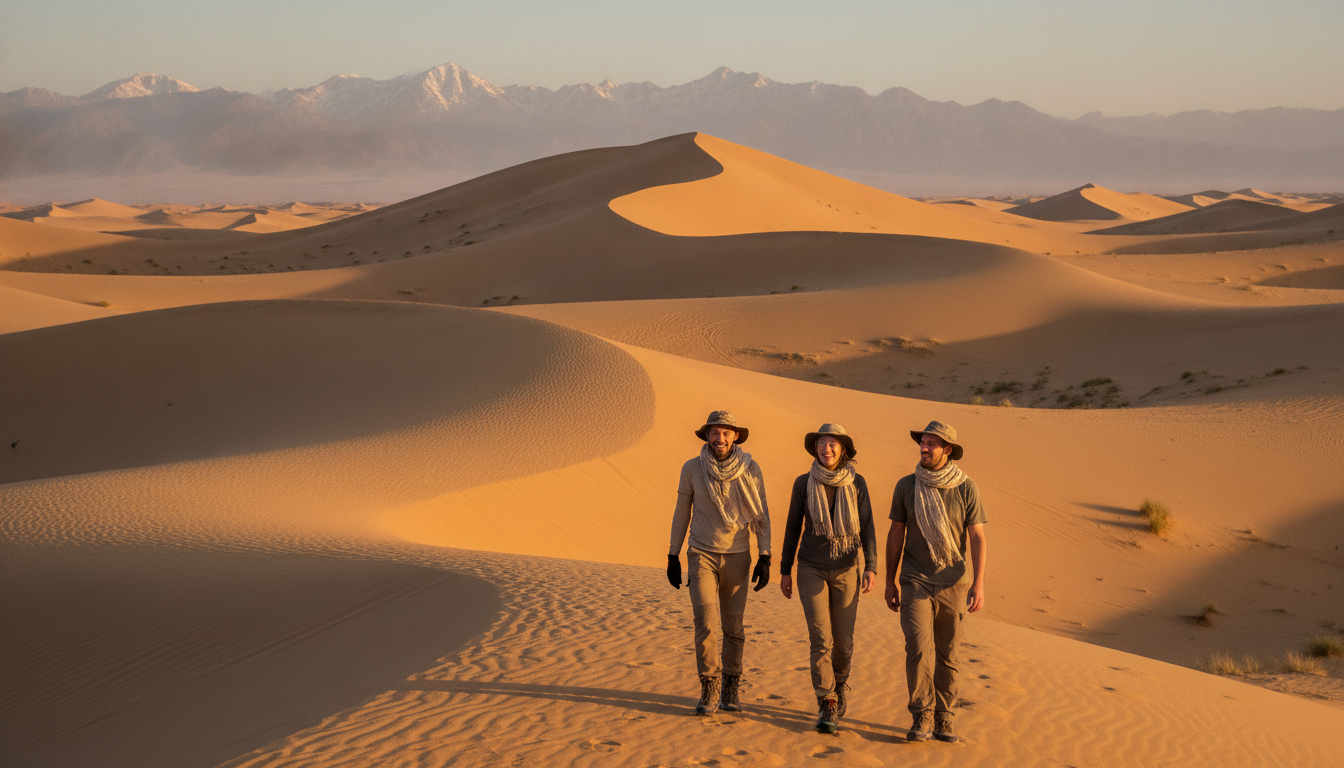
Camel trekking in the Sahara is an experience you’ll never forget. Ride camels across the dunes, watch the sunset, and sleep under the stars in a desert camp. It’s a deep dive into the Sahara’s beauty and peace.
For camel trekking and other adventures, call us at +212 663 505 686. We’ll help plan your Moroccan adventure.
Exploring the Coastal Cities
Morocco’s coastal cities are full of adventure, with their rich history, lively culture, and beautiful buildings. You can wander medinas, see historic sites, and try local seafood. Places like Essaouira and Taghazout are perfect for experiencing Morocco’s coastal beauty.
Whether you love water sports, cultural tours, or just relaxing by the sea, Morocco’s coast has it all.
Navigating Safety and Health Issues
Before you start your 14-day Morocco tour, it’s key to know about safety and health. Morocco is full of culture and beauty, but it also has its challenges. Being ready for these can make your trip better.
Travel Safety Tips
To stay safe in Morocco, keep an eye on your surroundings. Here are some tips for safe travel:
- Watch your belongings, mainly in busy places and tourist spots.
- Don’t travel alone at night. Use safe taxis or ride-sharing apps instead.
- Keep up with local news and any demonstrations through government advisories.
For more on safe travel in Morocco, check out this 4-day tour itinerary from Fes to Marrakech. It gives tips on safe travel in the country.
Health Precautions to Take
Morocco’s weather and environment can be risky for travelers. Here are some health tips:
- Drink lots of bottled water, mainly in the desert.
- Use sunscreen, a hat, and sunglasses to protect from the sun.
- Be careful with what you eat and drink to avoid stomach problems.
Emergency Contact Information
Have the right contacts ready for emergencies. Here are some important ones:
- Local emergency number: 112 or 19 for police
- Your country’s embassy or consulate in Morocco
- Your travel insurance provider
Being prepared and informed can help you have a safe and healthy trip to Morocco.
Budgeting for Your 14 Day Journey
Planning your budget is key for a great 14-day Morocco trip. Knowing what to expect financially lets you enjoy your journey more.
Estimating Costs for Various Expenses
When budgeting, think about different costs like where you stay, eat, travel, and what you do. Here’s a quick guide:
- Accommodation prices change based on whether you pick luxury riads or cheaper hostels.
- Food costs vary based on what you like to eat, from street food to fancy restaurants.
- Travel expenses include guided tours, car rentals, or using public transport.
- Activity costs cover fees for historical sites, adventure sports, and guided tours.
Average daily expenses can be between $50 to $150 per person, based on how you travel.
Tips for Saving Money
Here are some ways to save money on your Morocco trip:
- Book places to stay and tours early to get better deals.
- Try local food and street food, which is cheap and authentic.
- Use public transport or shared taxis for short trips.
- Always bargain at markets and from local sellers.
Recommended Currency and Payment Methods
The main currency in Morocco is the Moroccan Dirham (MAD). While many places take credit cards, it’s smart to have some local cash for small buys and at markets.
ATMs are easy to find in cities and towns, letting you get cash when you need it. Tell your bank you’re traveling to avoid any problems.
Using cash, credit cards, and debit cards can make your trip easier and safer.
Final Tips for a Successful Trip
Getting ready for your 14-day Morocco tour? It’s key to stay connected in the country’s lively cities and beautiful landscapes. Think about getting a Moroccan SIM card or a portable Wi-Fi hotspot. This way, you can keep in touch with your group and get the latest travel updates.
Staying Connected
Buying a local SIM card is a smart move to save money. You can find one at the airport or in big cities like Marrakech. For more tips on staying connected, call +212 663 505 686.
Creating a Flexible Itinerary
Planning is important, but don’t forget to leave room for surprises. Morocco is full of hidden gems, from busy markets to peaceful riads. Work with a local guide to make a flexible plan that fits your interests. For more planning tips, check out Africa Tours Marrakech.
Engaging with Local Guides
Local guides offer deep insights into Moroccan culture and history. They help you understand the country’s complexities. By working with them, you’ll learn more about your destinations and connect with locals.