Start a journey through Morocco’s rich history and vibrant culture with an imperial cities tour. See the ancient medinas, majestic palaces, and stunning mosques that make the country’s cities famous.
Find the grandeur of Fes, Marrakech, Rabat, and Meknes. Each city has its own mix of traditional charm and architectural beauty. With a well-planned Morocco imperial cities itinerary, you can dive into the local heritage. You’ll also experience the warm welcome of the Moroccan people.
Key Takeaways
- Explore the ancient medinas and historic landmarks of Morocco’s imperial cities
- Experience the vibrant culture and rich heritage of Fes, Marrakech, Rabat, and Meknes
- Discover the architectural splendor and traditional charm of each city
- Immerse yourself in the local cuisine and warm hospitality of the Moroccan people
- Enjoy a carefully crafted itinerary that ensures a memorable journey
Introduction to Morocco’s Imperial Cities
Exploring Morocco’s imperial cities is like stepping back in time. Each city offers a unique mix of history, culture, and beauty. These cities have shaped Morocco’s rich heritage and cultural diversity.
Overview of Historical Significance
The imperial cities of Morocco, including Fes, Marrakech, Rabat, and Meknes, have been key in the country’s history. They were centers of power, culture, and learning. Their architecture, cuisine, and cultural practices show their lasting legacy.
Fes is famous for its ancient medina, a sign of its importance as a major Islamic city. For a deeper look into these cities, consider guided tours Morocco imperial cities. They offer insights into their rich history.
Geographic Context
These cities are spread across Morocco, each in a strategic spot for trade, defense, and governance. Marrakech, for example, is near the Atlas Mountains, a key trade hub. Knowing their geography helps us appreciate their history and culture.
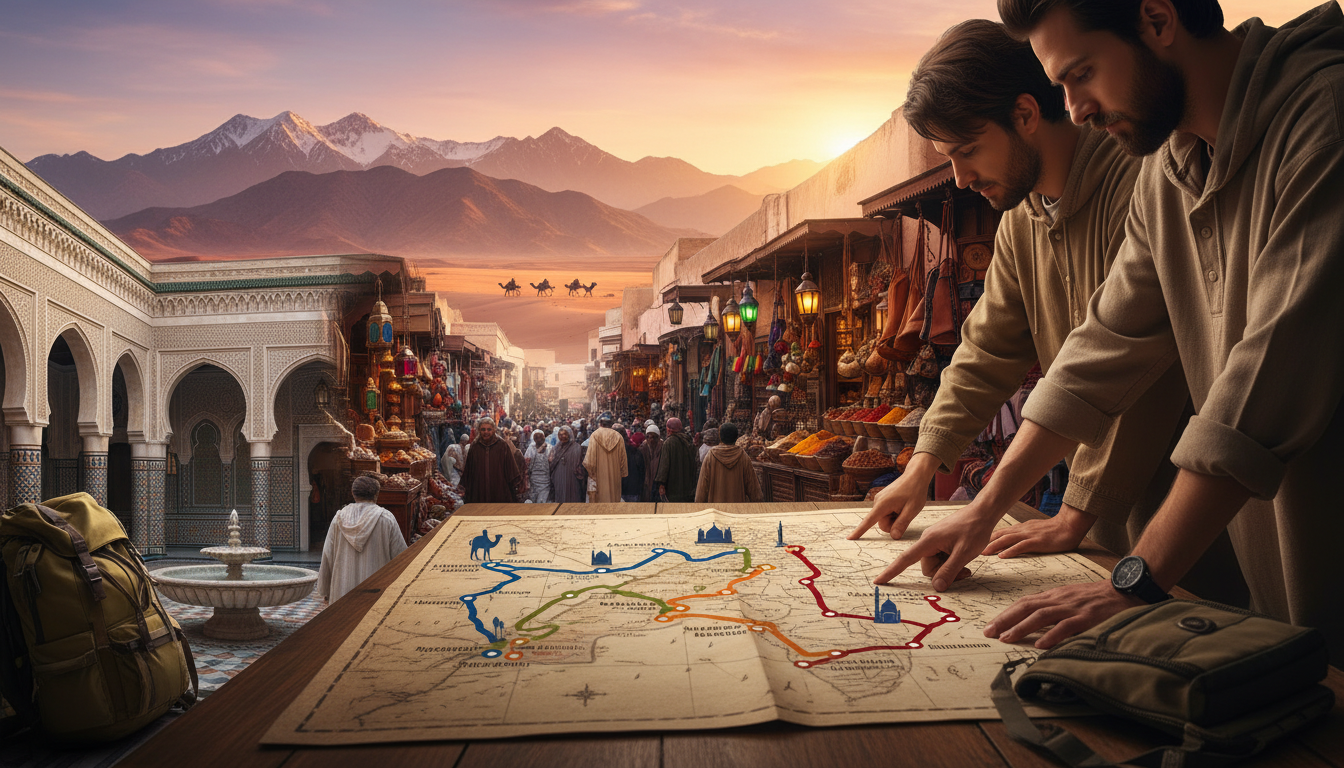
When planning your visit, think about the distances and travel options between these cities. This will help you make the most of your Morocco imperial cities tour.
Cultural Importance
The cultural importance of Morocco’s imperial cities is huge. They hold traditional crafts, culinary arts, and architectural styles. Rabat, the capital, mixes modern and traditional cultures, with many museums and historical sites.
Visitors can enjoy vibrant souks, traditional music, and local cuisine. This makes for a rich cultural experience. For an unforgettable time, explore the cultural tours and activities available in these cities.
The Royal Cities: An Overview
Morocco’s imperial cities are a journey through history and culture. Each city has its own unique charm. They have shaped Morocco’s past, influencing its culture, religion, and politics.
Fes: The Cultural Capital
Fes is Morocco’s oldest imperial city. It’s famous for its ancient architecture and lively culture. Home to the University of Al Quaraouiyine, Fes is a key center for Islamic learning.
Visitors can wander the medina’s narrow streets. They can see historical sites and experience local crafts.
Marrakech: The Red City
Marrakech is known for its red buildings and busy souks. It mixes tradition and modernity. Artists, musicians, and writers find a home here, making it a cultural hub.
Explore the Majorelle Garden or Jemaa el-Fnaa. Marrakech is a top spot for any traveler. It’s a great start for a Morocco tour.
Rabat: The Administrative Heart
Rabat is Morocco’s capital and administrative center. It has a mix of old and new architecture. Attractions like the Hassan Tower and Kasbah of the Udayas are must-sees.
Rabat’s French colonial and Moroccan styles make it unique. It’s a city worth exploring.
Meknes: The Hidden Gem
Meknes is the least touristy imperial city. It offers a peaceful, authentic experience. Historical sites like the Bab Mansour gate and Moulay Ismail’s Mausoleum show its rich history.
Meknes gives a look into traditional Moroccan life. Its ancient medina and markets are serene and beautiful.
Each imperial city adds to Morocco’s rich history and culture. They offer a wide range of experiences. Morocco’s imperial cities are full of adventures for those interested in history, culture, or new places.
Fes: A Journey Through Time
Explore the ancient charm of Fes, where tradition meets modernity. This city is a key part of Morocco’s history. It’s a must-see on any imperial cities tour in Morocco.
The Medina of Fes
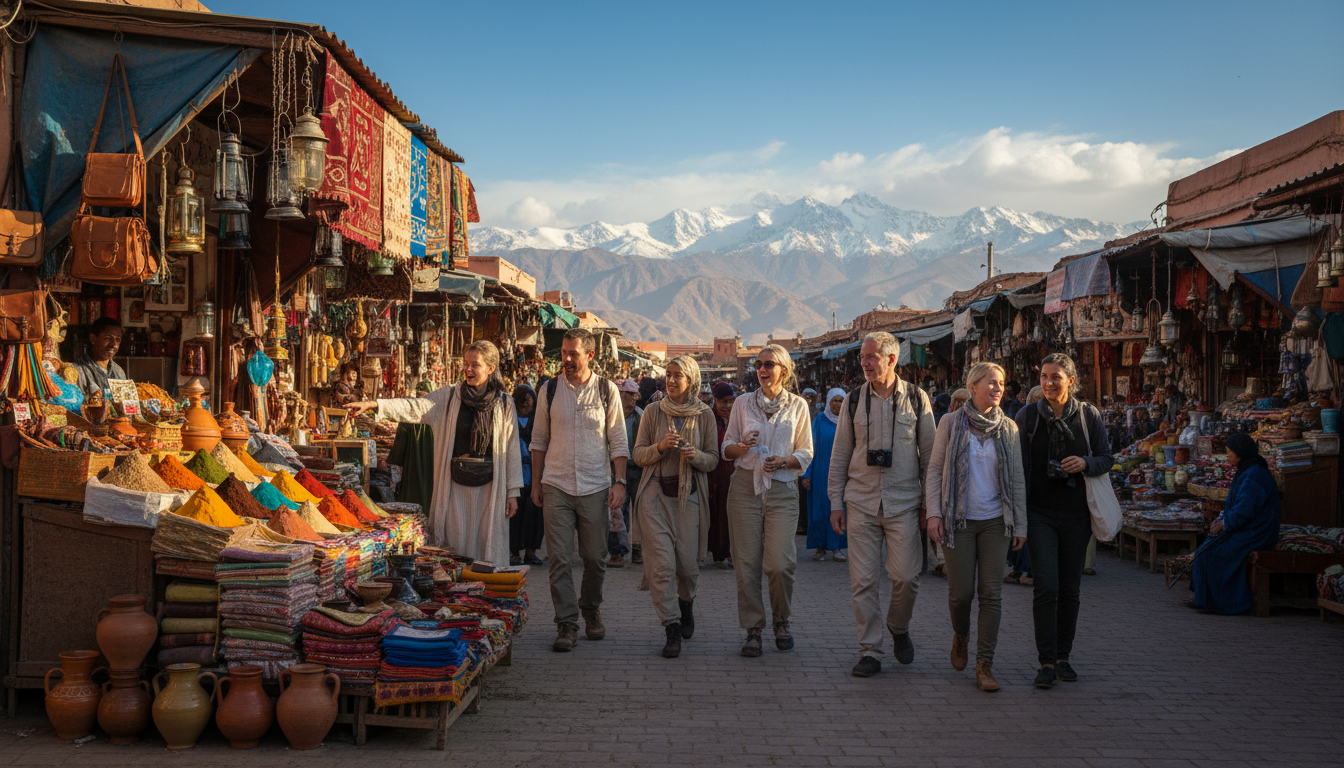
The Medina of Fes is a UNESCO World Heritage Site. It’s a maze of narrow streets and lively souks. Walking through its ancient walls, you’ll see vibrant colors, enticing smells, and rich textures.
This place is more than a visit; it’s an experience that takes you back in time.
Architectural Wonders
Fes boasts many architectural marvels, like the Al-Attarine Madrasa. This Islamic architecture is known for its detailed tile work, carved wood, and elegant design. Visitors can admire the beauty and skill that has lasted for centuries.
The city’s buildings show its rich history, with influences from many cultures. From grand mosques to hidden treasures, Fes’s buildings are a key part of discover morocco imperial cities.
Local Gastronomy Experiences
No trip to Fes is complete without trying the local food. Moroccan cuisine is a mix of flavors, with dishes like tagine, couscous, and pastilla. Visitors can explore markets and souks to taste traditional foods and drinks.
For a deeper culinary experience, try a cooking class. Here, you can learn to make traditional Moroccan dishes. It’s a great way to connect with the local culture and learn new cooking skills.
Marrakech: A Vibrant Mosaic
Marrakech is a vibrant mosaic in Morocco’s heart. It’s a city full of colors and sounds. Its streets, markets, and culture are all alive.
Exploring the Medina
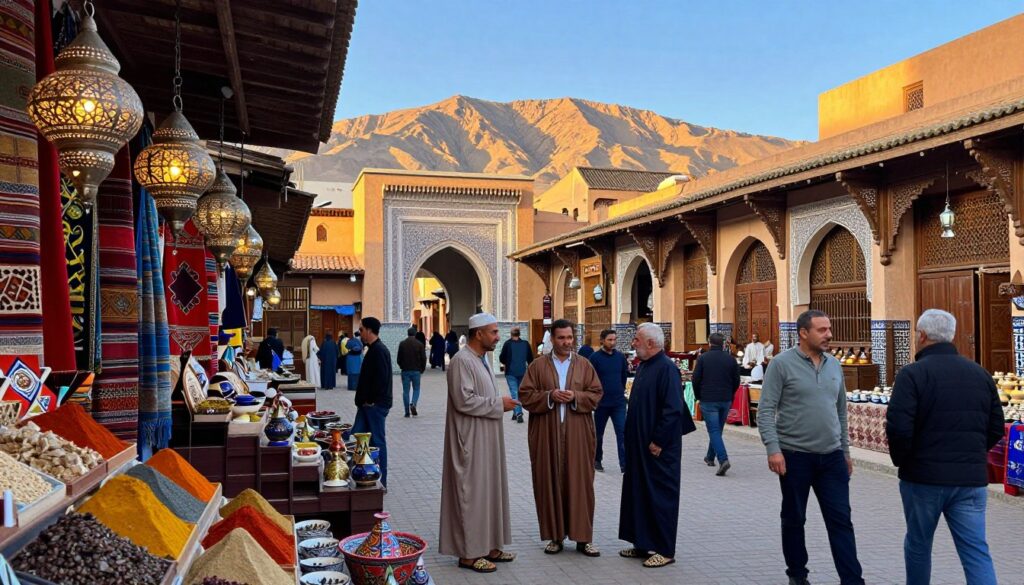
The Medina of Marrakech is a labyrinthine old city. It has narrow alleys, historic sites, and busy souks. Visitors can wander and find hidden treasures.
Majorelle Garden and Yves Saint Laurent
The Majorelle Garden is a peaceful spot in Marrakech. It was once Jacques Majorelle’s and Yves Saint Laurent’s retreat. The garden’s blue buildings and plants are stunning.
The Yves Saint Laurent Museum is also here. It shows the designer’s work and his love for Marrakech. This mix of art, nature, and culture is special.
Nightlife and Souks
Marrakech’s legendary nightlife is unforgettable. There are rooftop bars and riads with live music. It’s a unique experience.
The souks are also a must-see. They offer local crafts like woodwork, carpets, and jewelry. Visitors can haggle for souvenirs and dive into the local culture.
Marrakech is a mix of old and new. It’s perfect for those wanting to experience the magic of Morocco’s imperial cities. From the Medina to the Majorelle Garden and nightlife, Marrakech is unforgettable.
Rabat: Politics and Heritage
Rabat is Morocco’s administrative center, known for its politics and history. It has many landmarks that show its role in politics and culture.
The Hassan Tower
The Hassan Tower is a historic minaret in Rabat. It was built in the late 12th century by the Almohad Caliph. It was meant to be the world’s largest minaret but was never finished. Yet, it stands as a symbol of Rabat’s history.
Kasbah of the Udayas
The Kasbah of the Udayas is a fortified citadel with stunning views of the Atlantic Ocean. It’s famous for its architecture and gardens. It’s a key stop on any guided tour of Morocco’s imperial cities.
Royal Palace and Museums
The Royal Palace, or Dar al-Makhzen, is where the King of Morocco lives. The palace itself is closed to visitors. But, the area around it has museums that highlight Morocco’s culture.
| Landmark | Description | Significance |
|---|---|---|
| Hassan Tower | Historic minaret built in the 12th century | Symbol of Rabat’s historical importance |
| Kasbah of the Udayas | Fortified citadel with beautiful gardens | Offers insights into Rabat’s military past |
| Royal Palace | Official residence of the King of Morocco | Represents the political heart of Morocco |
Meknes: A Touch of Elegance
Meknes is known as the ‘Versailles of Morocco.’ It’s a mix of history and culture. As one of Morocco’s four imperial cities, Meknes is full of architectural wonders and historical sites.
Bab Mansour Gate
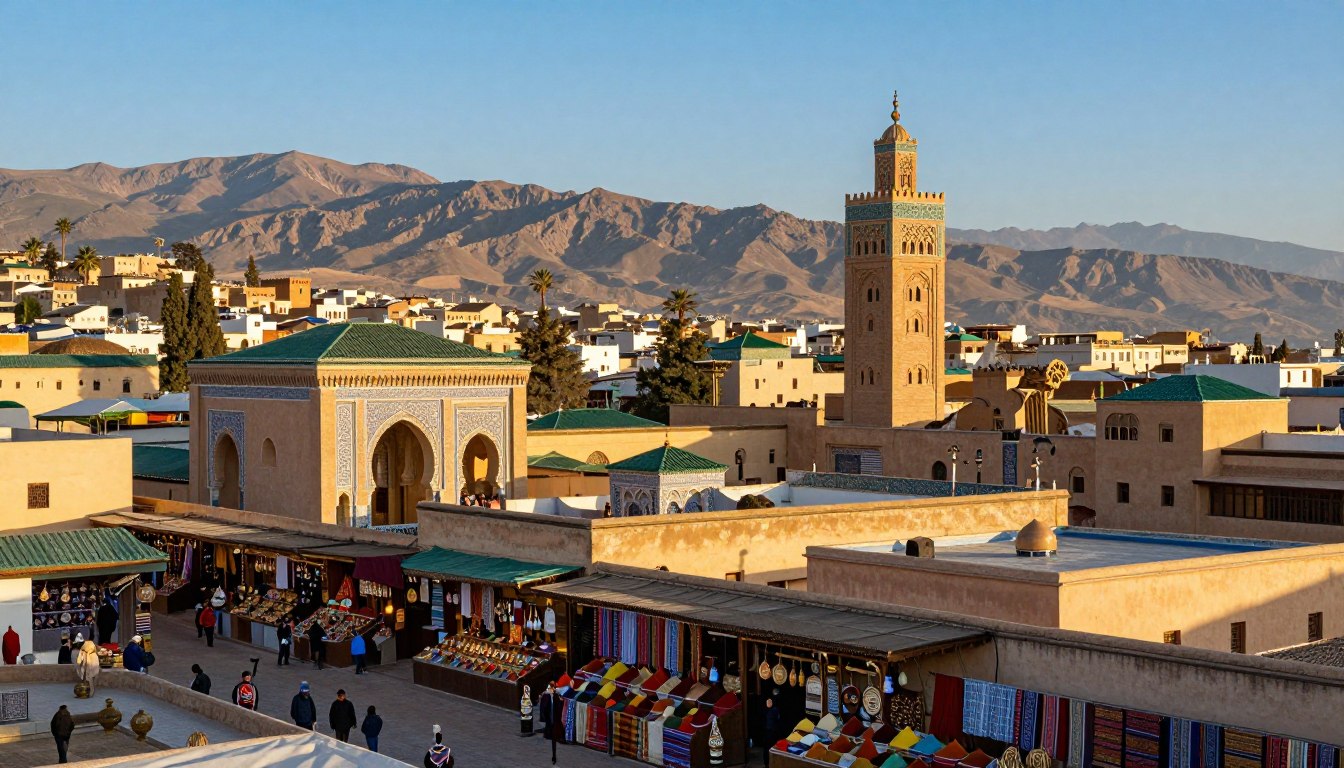
The Bab Mansour Gate is a famous landmark in Meknes. It shows the city’s architectural beauty. Built by Sultan Moulay Ismail, it’s known for its detailed designs and grand look.
Moulay Ismail’s Mausoleum
Moulay Ismail’s Mausoleum is a key historical site in Meknes. It highlights the city’s cultural and religious heritage. The mausoleum’s tile work and details give a peek into Meknes’ past.
The Royal Stables
The Royal Stables, or Herri es-Souani, are a historical gem. They were for Sultan Moulay Ismail’s army horses and equipment. For those on a 10-day Casablanca tour, they offer a look into the empire’s military might.
Meknes is special because of its history and culture. Its elegance is seen in its buildings, landmarks, and traditions. It’s a must-see for those wanting to dive deep into Moroccan heritage.
Practical Tips for Your Tour
Traveling through Morocco’s imperial cities needs some planning for a great trip. Morocco is known for its rich history, lively culture, and beautiful buildings. It’s a place that will surely impress any traveler.
Best Time to Visit
Morocco’s weather changes a lot from north to south and from the coast to the desert. The best time to visit Morocco is in spring (March to May) and autumn (September to November). During these times, the weather is nice and not too hot or cold.
Summer can get very hot, mainly in the desert. Winters can be cool, mostly in the mountains. When planning to visit certain cities, think about their weather. For example, Marrakech gets very hot in summer, but Fes is cooler.
Cultural Etiquette to Follow
It’s important to know and respect local customs in Morocco. Dress modestly, covering your shoulders and knees, when visiting mosques or rural areas. Morocco is a conservative country. Dressing right helps you fit in and show respect for the culture.
- Greet people with a respectful “As-salamu alaykum” (peace be upon you).
- Remove your shoes before entering mosques or homes.
- Avoid public displays of affection.
Essential Packing List
Having the right things with you can really improve your trip. Here’s an essential packing list for Morocco’s imperial cities:
| Item | Description |
|---|---|
| Comfortable Shoes | For exploring medinas and walking tours |
| Modest Clothing | To respect local customs and dress codes |
| Sun Protection | Sunscreen, hat, and sunglasses for outdoor protection |
| Reusable Water Bottle | To stay hydrated and reduce plastic waste |
By knowing the best time to visit, following cultural rules, and packing smart, you’ll be ready for a great trip through Morocco’s imperial cities.
Traveling Between Cities
Traveling between Morocco’s imperial cities is easy if you know the best ways to get there. The country has a well-developed transportation network. This makes it simple to move between Fes, Marrakech, Rabat, and Meknes.
Transportation Options
There are many ways to travel between Morocco’s imperial cities. You can pick what fits your budget and preferences. Here are some options:
- Trains: Efficient and comfortable, trains connect major cities.
- Bus Services: Affordable and frequent, bus services are available for shorter and longer distances.
- Private Transfers and Taxis: Convenient for door-to-door travel, perfect for groups or those with a lot of luggage.
- Rental Cars: Ideal for those who prefer to travel at their own pace and explore surrounding areas.
Train travel is highly recommended for its comfort and reliability. The ONCF train network connects the imperial cities efficiently. It has frequent departures throughout the day.
Travel Time and Distances
Knowing the distances and travel times between Morocco’s imperial cities helps plan your trip. Here’s a breakdown:
| Route | Distance (km) | Train Time (approx.) | Bus Time (approx.) |
|---|---|---|---|
| Fes to Marrakech | 461 | 5.5 hours | 7 hours |
| Rabat to Meknes | 160 | 2 hours | 3.5 hours |
| Marrakech to Rabat | 323 | 3.5 hours | 5 hours |
Guided Tours vs. Independent Travel
Choosing between a guided tour and independent travel is key when planning your trip. Guided tours offer local knowledge, hassle-free transportation, and a structured itinerary. On the other hand, independent travel gives you flexibility and the chance to dive into local culture at your own pace.
For the best tours of Morocco’s imperial cities, think about what’s most important to you. Do you want convenience, cultural immersion, or flexibility? Morocco’s imperial cities offer an unforgettable experience, whether you choose a guided tour or independent travel.
Accommodations in Imperial Cities
The imperial cities of Morocco have a wide range of places to stay. You can find luxury hotels or budget-friendly options. There’s something for every traveler’s taste and budget.
Luxury Hotels
Morocco’s imperial cities are home to some of the best hotels. These places mix traditional Moroccan style with modern comforts. For example, a luxury tour in Marrakech might include stays in famous riads. These riads offer top-notch service and beautiful decor.
Key Features of Luxury Hotels:
- Opulent decor and furnishings
- Exceptional service and hospitality
- High-end amenities, including spas and fine dining
Boutique Stay Options
Boutique hotels and riads give you a personal touch. They often have unique decor that shows off the local culture. These places are smaller, making it easier to connect with the staff and locals.
Benefits of Boutique Stays:
- Personalized service and attention to detail
- Unique, culturally immersive decor
- Opportunities to engage with local artisans and cuisine
Budget-Friendly Choices
For those watching their budget, Morocco’s imperial cities have affordable options. You can find hostels and budget hotels that are cozy without costing a lot.
Advantages of Budget-Friendly Accommodations:
- Affordable rates without sacrificing comfort
- Opportunities to meet fellow travelers
- Simple, no-frills stays that give a peek into local life
Local Cuisine: A Culinary Adventure
Start a food journey through Morocco’s imperial cities. Here, flavors and smells mix in a unique way. The cities’ food scene shows off Morocco’s rich culture.
Must-Try Dishes
Moroccan food is famous for its strong tastes and spices. You should try:
- Tagine: A slow-cooked stew cooked in a special pot.
- Couscous: A dish from North Africa made from semolina flour, served with veggies and meat.
- Harira: A warm soup with tomatoes, lentils, and chickpeas.
These dishes are tasty and show Morocco’s food traditions.
Food Markets and Street Vendors
Visiting food markets and street vendors is key in Morocco’s imperial cities. You can try many local foods, like fresh fruits, nuts, and pastries.
| Market | Location | Specialties |
|---|---|---|
| Marrakech Souk | Marrakech Medina | Spices, olives, traditional sweets |
| Fes Souk | Fes Medina | Fresh produce, handicrafts, local cheeses |
Dining Etiquette
When eating in Morocco, remember local customs. Use your right hand to eat, as the left is seen as unclean. Also, wait for the host to start before you eat.
Following these rules makes your dining better and shows respect for Moroccan culture.
Cultural Experiences and Activities
Discover the magic of Morocco’s imperial cities through their rich cultural activities. These cities are more than just historical sites. They are lively cultural centers with lots to offer visitors.
Traditional Moroccan Festivals
Morocco’s imperial cities celebrate various traditional festivals all year. The Mawazine Festival in Rabat is a highlight, celebrating Moroccan music and culture. The Marrakech Popular Arts Festival also showcases traditional music, dance, and crafts.
These festivals are a great way to dive into Moroccan culture. You’ll see vibrant performances, taste local foods, and see traditional crafts. For more info on these festivals, check out Africa Tours Marrakech for guided tours.
Art and Handicrafts
The imperial cities are known for their artisanal crafts. You can find unique woodwork, pottery, and textiles in local souks. Fes is famous for its crafts, with the Fes Medina being a UNESCO World Heritage site.
Visitors can take workshops or classes to learn about Moroccan crafts. This hands-on experience lets you see the local culture up close. Plus, you can take a piece of Morocco home with you.
Music and Dance Performances
Music and dance are big parts of Moroccan culture. In Marrakech, you can enjoy traditional Gnawa music. The Kasbah of the Udayas in Rabat also hosts cultural events and performances.
Seeing a music or dance show is a great way to connect with the local culture. Many venues offer intimate settings for a closer experience with the artists.
Preserving Moroccan Heritage
Keeping Morocco’s imperial cities’ heritage alive is key to its cultural and historical integrity. These cities, with their rich history and stunning architecture, are more than just tourist spots. They are guardians of Morocco’s past.
UNESCO World Heritage Sites
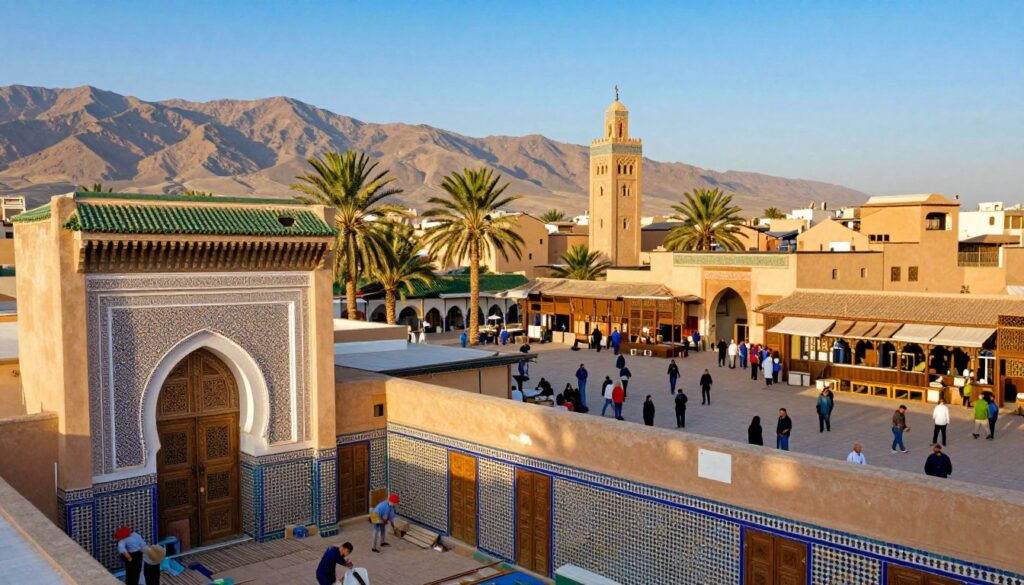
Morocco boasts many UNESCO World Heritage Sites, with its imperial cities at the forefront. The Medina of Fes is one of the oldest and most preserved medieval cities in the Arab world. Marrakech’s Medina, on the other hand, is famous for its lively souks and architectural wonders.
Conservation efforts are in place to safeguard these sites from urbanization and tourism. The Moroccan government and international groups are working together to keep these historical areas intact.
Conservation Efforts
Efforts to conserve Morocco’s imperial cities are diverse. They include restoring historical buildings, protecting cultural artifacts, and promoting eco-friendly tourism. For instance, the restoration of the Al-Attarine Madrasa in Fes has preserved a key historical site and boosted the city’s cultural heritage.
- Restoration of historical monuments
- Protection of cultural artifacts
- Promotion of sustainable tourism
Role of Tourism in Preservation
Tourism is vital in preserving Morocco’s imperial cities. It supports local economies, helping to conserve historical sites and promote cultural heritage. Yet, it’s important to manage tourism sustainably to avoid harming these sites.
Responsible tourism practices, like respecting local customs and minimizing environmental impact, are critical. They ensure tourism benefits the preservation of Morocco’s heritage.
| City | UNESCO World Heritage Site | Conservation Focus |
|---|---|---|
| Fes | Medina of Fes | Restoration of historical buildings |
| Marrakech | Medina of Marrakech | Protection of cultural artifacts |
| Rabat | Kasbah of the Udayas | Sustainable tourism practices |
Conclusion: Embrace the Journey
As you finish your tour of Morocco’s imperial cities, you’ve seen a lot. You’ve learned about history, culture, and beauty. The tour showed you around the country’s lively cities, each with its own special feel.
Recapping the Highlights
You’ve seen old medinas in Fes and Marrakech, and historic sites in Rabat and Meknes. Each place gave you a different view of Morocco’s past. You’ve enjoyed local food, shopped in busy souks, and felt the country’s warm welcome.
Exploring Further
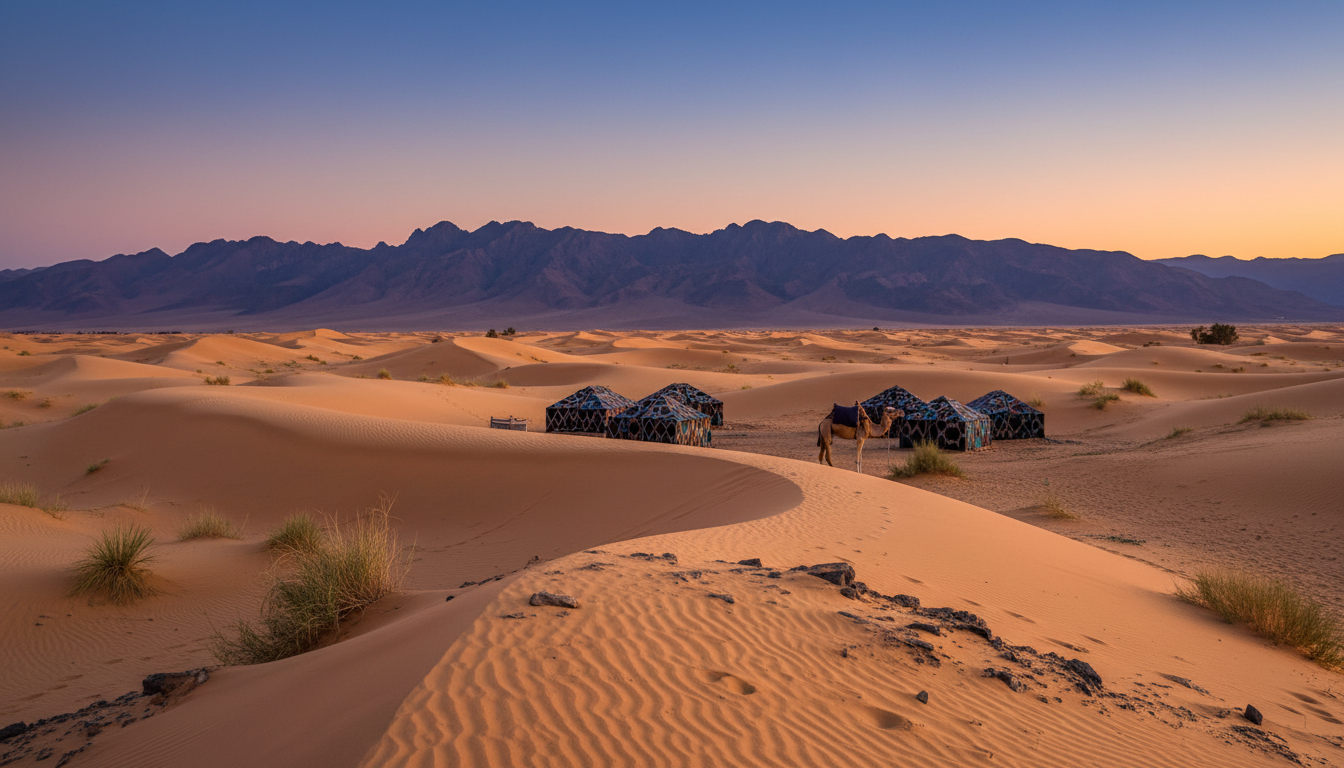
Now, think about all the other things Morocco has to offer. You could explore the Atlas Mountains, relax by the sea, or go into the Sahara Desert. There’s always more to find in this amazing country.
Final Reflections
The memories of your trip will last long after you’re back home. You’ll appreciate Morocco’s history, culture, and people even more. You’ll want to come back and see more.