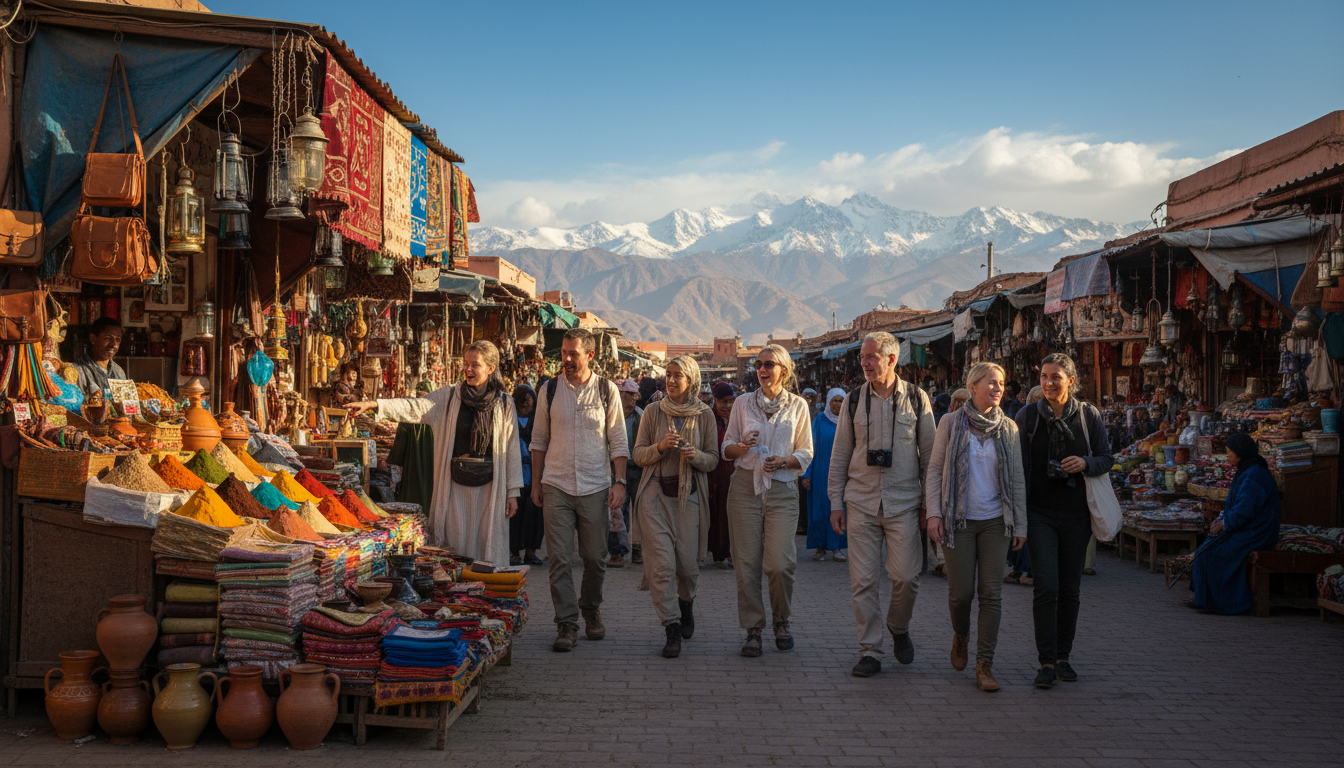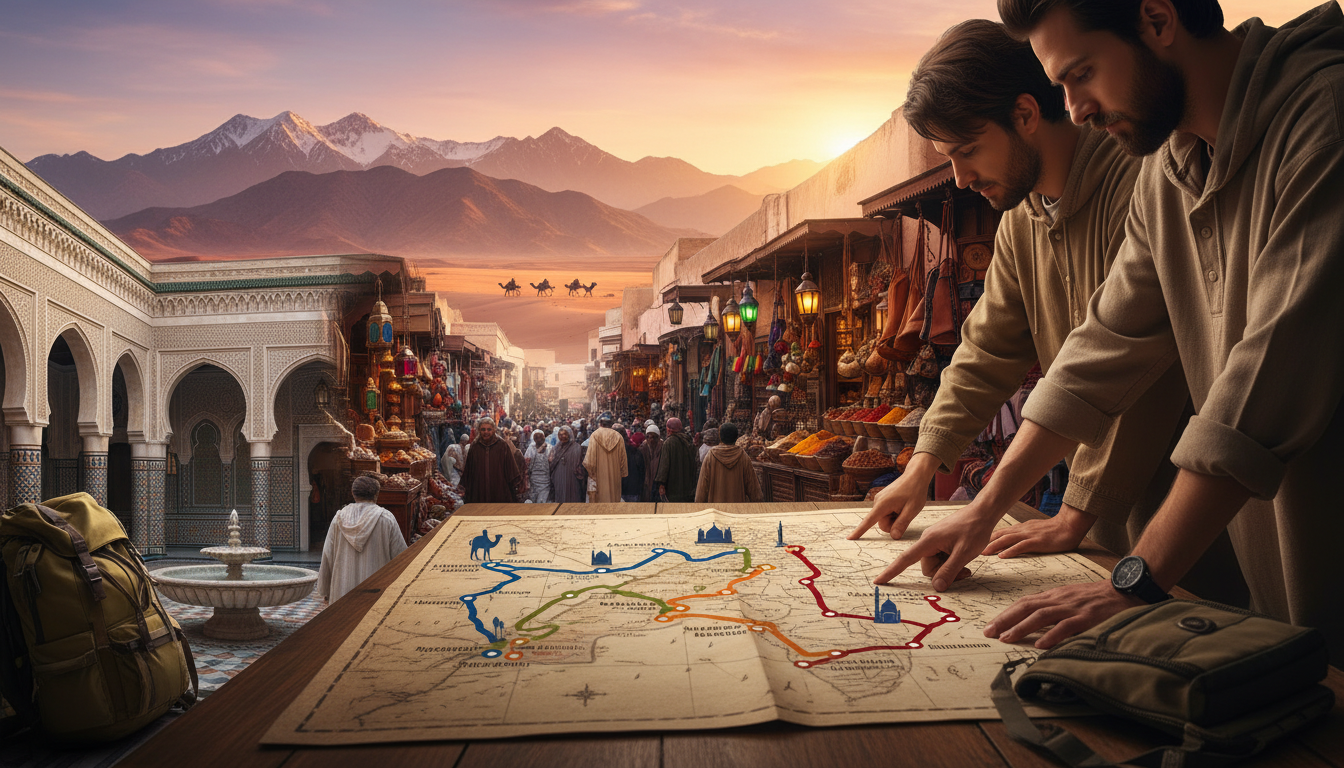
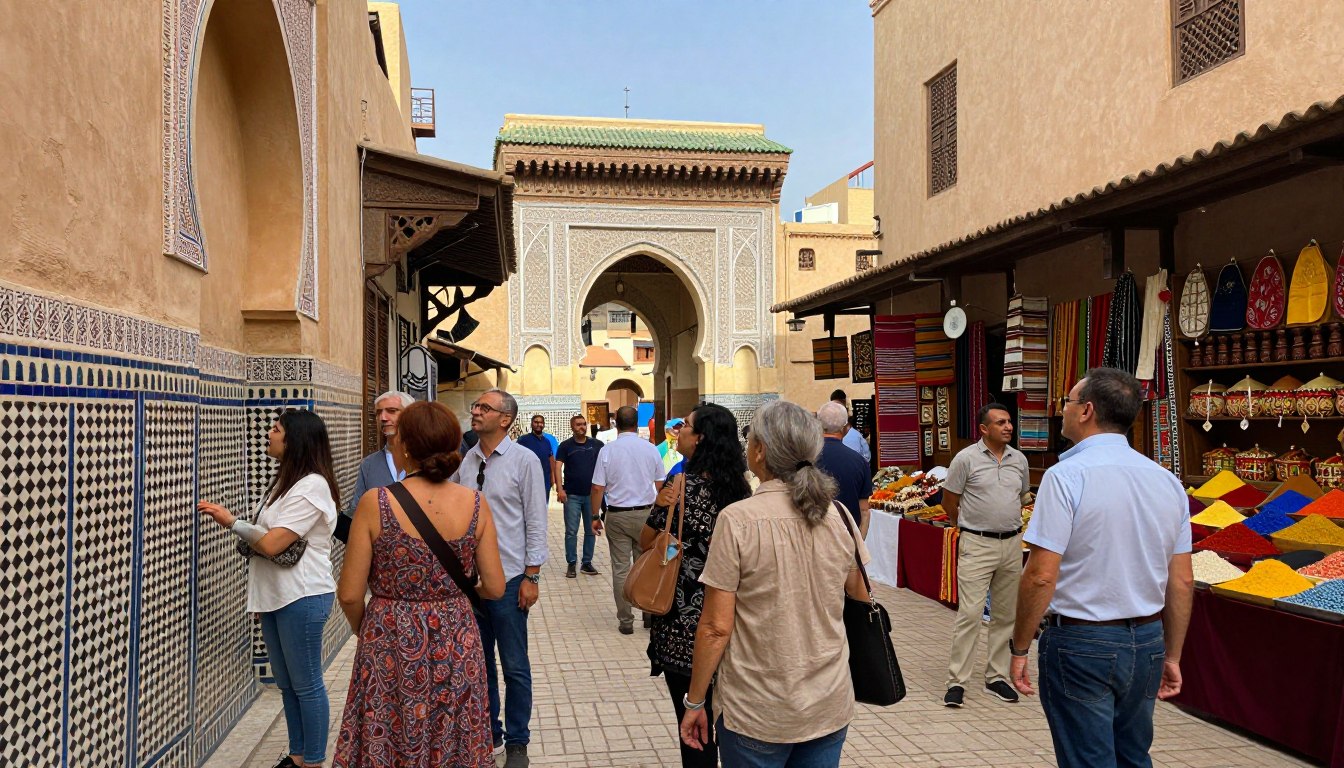
Discover the rich heritage of a community that has thrived for centuries in the heart of Morocco. A guided tour offers a unique opportunity to explore historic synagogues, vibrant markets, and traditional Jewish communities.
Morocco’s Jewish heritage is a fascinating tapestry woven into the country’s history, culture, and architecture. From the bustling streets of Marrakech to the tranquil towns of the Atlas Mountains, a journey through Morocco’s Jewish heritage is a journey through the country’s diverse cultural landscape.
Key Takeaways
- Explore historic synagogues and traditional Jewish communities
- Discover the rich cultural heritage of Morocco’s Jewish community
- Experience the vibrant markets and cuisine of Morocco’s Jewish heritage
- Visit the iconic cities of Marrakech and Fez
- Learn about the history and significance of Morocco’s Jewish heritage
Discover the Rich History of Jews in Morocco
The history of Jews in Morocco is a rich tapestry woven over centuries. It’s a story of peaceful coexistence, cultural flourishing, and significant contributions to the country’s development.
Early Settlements and Contributions
The Jewish community in Morocco dates back to the Roman era, with roots in the 2nd century BCE. Over the years, Jews have been vital to Morocco’s growth. They’ve enriched the country through trade, commerce, and the arts.
Jews also made a big impact on agriculture. They introduced new farming techniques and helped improve irrigation systems.
| Period | Key Contributions | Notable Figures |
|---|---|---|
| Roman Era | Initial Jewish settlements | Rabbi Isaac Alfassi |
| Islamic Golden Age | Advancements in trade and commerce | Maimonides |
| 19th-20th Century | Cultural and educational reforms | Rabbi Abraham Ben Daud |
The Golden Age of Jewish Life
The Golden Age of Jewish life in Morocco was a time of peace and prosperity. During this era, Jewish scholars made big strides in literature, philosophy, and science. Fez became a hub of Jewish learning, attracting scholars from all over.
Cultural achievements during this time included a rich literary tradition. Works were written in Hebrew, Arabic, and Berber languages.
Key Historical Figures
Several key figures have shaped the Jewish community in Morocco. Rabbi Abraham Ben Daud was a renowned scholar who helped preserve Jewish traditions. Maimonides and Rabbi Isaac Alfassi were also important figures.
These individuals greatly contributed to Morocco’s religious and cultural landscape. They helped keep the community connected to its heritage.
The Diversity of Jewish Communities in Morocco
The Jewish community in Morocco is rich and diverse. It shows both Sephardic and Ashkenazi influences. This mix of traditions has created a unique cultural heritage. It’s seen in their customs, food, and celebrations.
Sephardic and Ashkenazi Traditions
Morocco’s Jewish community is mostly Sephardic, with roots from the Iberian Peninsula. The Sephardic tradition is known for its rich liturgical poetry and unique customs. The Ashkenazi community, though smaller, has also added to the cultural mix.
The Sephardic community in Morocco has kept its unique identity. They have their own customs and religious practices. For example, they used to speak a special dialect called “Moroccan Judeo-Arabic.”
| Community | Traditions | Culinary Specialties |
|---|---|---|
| Sephardic | Rich liturgical poetry, distinctive customs | Tagine, Couscous with seven vegetables |
| Ashkenazi | Influenced by European customs | Cholent, Gefilte fish |
Modern Day Communities
Today, Jewish communities in Morocco are thriving. They keep their traditions alive while also embracing modern ways. They celebrate their heritage through cultural and religious events.
Visitors can see this vibrant community through kosher tours and culinary experiences. These highlight the rich cultural heritage of Morocco’s Jewish community.
Notable Jewish Heritage Sites
From ancient mellahs to modern museums, Morocco’s Jewish heritage sites offer a unique glimpse into the country’s cultural and religious diversity.
The Mellah District of Marrakech
The Mellah District in Marrakech is a key Jewish heritage site in Morocco. This historic area, with its narrow streets and traditional architecture, shows what life was like for Morocco’s Jewish community long ago.
Key Attractions: The old synagogue, traditional Jewish homes, and the Place du Mellah, a vibrant square that was once the heart of the Jewish community.
The El Mellah Synagogue in Essaouira
In the coastal town of Essaouira, the El Mellah Synagogue stands as a symbol of the region’s rich Jewish heritage. Built in the 19th century, it is known for its stunning architecture and historical importance.
Notable Features: The synagogue’s design combines Moroccan and European architectural styles. It has been carefully preserved to keep its original charm.
The Museum of Moroccan Judaism
The Museum of Moroccan Judaism in Casablanca is dedicated to preserving and showing the history and culture of Morocco’s Jewish community. It has a vast collection of artifacts, documents, and photographs that tell the story of Jewish life in Morocco.
Exhibits: The museum’s exhibits include historical artifacts, religious items, and personal stories. These highlight the contributions and experiences of Morocco’s Jewish community.
| Heritage Site | Location | Significance |
|---|---|---|
| Mellah District | Marrakech | Historic Jewish quarter with traditional architecture and cultural significance |
| El Mellah Synagogue | Essaouira | 19th-century synagogue showing a mix of architectural styles |
| Museum of Moroccan Judaism | Casablanca | Preserves and showcases the history and culture of Morocco’s Jewish community |
Highlights of Jewish Tours in Morocco
Jewish tours in Morocco offer a deep dive into the country’s Jewish heritage. You get to see the rich history and cultural importance of Morocco’s Jewish community.
Guided Tours vs. Self-Guided Experiences
Travelers can pick between guided tours and self-guided experiences to explore Morocco’s Jewish heritage. Guided tours provide expert insights into the history and culture of the sites. Self-guided tours let you set your own pace, spending more time at places you like.
Choosing depends on what you prefer. If you want to learn more about the Jewish community’s history and traditions, guided tours are best.
Cultural Immersion and Learning Opportunities
Jewish tours in Morocco offer a chance for cultural immersion. You can meet local Jewish communities, join traditional ceremonies, and learn about their customs.
Many tours include visits to synagogues, museums, and historical sites. You’ll also meet local community members. These experiences help you understand Morocco’s Jewish heritage and appreciate its diversity.
Culinary Delights: Jewish Moroccan Cuisine
Jewish Moroccan cuisine is a mix of flavors that shows the community’s history and culture. It’s shaped by Morocco’s location at the crossroads of Africa, Europe, and the Middle East.

The mix of local and international ingredients makes this cuisine unique. It’s both tasty and full of tradition. Visitors can try this rich culinary heritage by joining kosher tours morocco. These tours offer a real taste of Morocco’s Jewish cuisine.
Signature Dishes to Try
Some must-try dishes in Morocco Jewish cuisine are:
- Shakshuka: Eggs poached in a spicy tomato sauce.
- Dahab: A pastry filled with nuts and honey.
- Msemen: A square pancake with honey or savory fillings.
Culinary Tours and Cooking Classes
For a deeper dive into Morocco Jewish cuisine, try culinary tours and cooking classes. These experiences let you learn how to make traditional dishes. They also show the cultural importance of food in Jewish Moroccan communities.
By joining these culinary adventures, visitors can truly appreciate Morocco’s Jewish culinary heritage. They’ll understand the rich flavors and traditions behind it.
Celebrating Jewish Festivals in Morocco
Jewish festivals in Morocco show the community’s deep cultural roots. These celebrations are important for the Jewish people. They also give tourists a special experience when they visit Morocco.
Celebrations and Traditions
In Morocco, the Jewish community celebrates many festivals each year. Simchat Torah is a big event, filled with processions and dancing. Hanukkah is also important, with the lighting of the menorah and special foods.
The community also celebrates Passover with Seder meals and Purim with readings and gifts. These festivals show the community’s rich heritage and its ties to Jewish traditions everywhere.
Opportunities for Tourist Participation
Tourists in Morocco during Jewish festivals can join in. They can learn about the community’s customs and traditions. Many synagogues and community centers welcome visitors, showing their religious and cultural practices.
| Festival | Traditions | Tourist Participation |
|---|---|---|
| Simchat Torah | Processions and dancing in synagogues | Observe and participate in processions |
| Hanukkah | Lighting of the menorah, traditional foods | Join in lighting ceremonies, taste traditional foods |
| Passover | Seder meals, traditional cuisine | Participate in Seder meals, learn about customs |
By joining in these festivals, tourists can feel the warmth of Morocco’s Jewish community. They will make memories that last a lifetime.
Meeting Local Jewish Communities
Visitors to Morocco can connect with local Jewish communities. This connection deepens their understanding of traditions and life. It makes their trip more meaningful and enriches their experience of Morocco’s Jewish heritage.
Interaction With Local Residents
Meeting local Jewish residents offers insights into their lives and history. Many communities welcome visitors, creating a space for cultural exchange. Guided tours with a Morocco Jewish guide help visitors understand the community’s history and culture.
Residents share their stories and traditions. This sharing enriches the cultural experience. Visitors can attend events, visit homes, and join in traditional meals.
Community Projects and Volunteer Opportunities
For those wanting to make a difference, community projects and volunteer work are available. These efforts help visitors understand Jewish life in Morocco while contributing to the community.
Some projects include:
- Renovation of historical sites
- Support for local educational programs
- Participation in cultural events
By participating in these activities, visitors gain a deeper understanding of the community’s needs. This connection is truly meaningful.
| Community Project | Description | Volunteer Opportunities |
|---|---|---|
| Historical Site Renovation | Restoration of synagogues and historical Jewish sites | Manual labor, skilled tradespeople |
| Educational Programs | Support for Jewish education and cultural preservation | Teaching, mentorship, resource donation |
| Cultural Events | Participation in Jewish cultural festivals and events | Event planning, performance, food preparation |
Meeting local Jewish communities in Morocco is rewarding. It enriches the visitor and supports the community. Through interaction and community projects, visitors help preserve Morocco’s Jewish heritage.
Art and Literature in Moroccan Jewish Culture
Art and literature are key parts of Moroccan Jewish culture. They show the community’s values, struggles, and successes. The culture’s rich heritage is seen in its art, literature, and stories passed down through generations.
Influential Artists and Writers
Many artists and writers have shaped Moroccan Jewish culture. André Elbaz, a famous filmmaker, has explored Jewish identity and Moroccan culture in his work. Writers like Yacine Kateb have used their Jewish and Moroccan roots to create meaningful literature.
- Visual Artists: Many artists have been inspired by Moroccan Jewish traditions. They mix Jewish symbols with Moroccan styles in their work.
- Literary Figures: Writers have been key in keeping Moroccan Jewish culture alive. They write about identity, community, and heritage.
Importance of Oral Traditions
Oral traditions are vital in Moroccan Jewish culture. They include stories, legends, and history passed down through generations. These traditions keep the community’s history alive and show their cultural practices and values.
- Storytelling: Storytelling is a key way to share cultural knowledge and values in the community.
- Community Bonding: Oral traditions help create a sense of community and shared identity among Moroccan Jews. They strengthen their cultural heritage.
Exploring Moroccan Jewish art, literature, and oral traditions helps visitors understand the community’s rich heritage. It shows the importance of this heritage in today’s world.
The Role of Jewish Museums
Jewish museums in Morocco are key in keeping the history and traditions of the Jewish community alive. These museums are more than just places to store artifacts. They are lively spots that share the stories, customs, and contributions of Moroccan Jews.
Morocco’s Jewish museums showcase a variety of exhibits. These range from historical artifacts to modern art. They give a full picture of the Jewish community’s past and present.
Exhibits on Jewish Life in Morocco
The exhibits in Morocco’s Jewish museums cover many topics. They include the history of Jewish settlements, religious practices, and the community’s social and cultural contributions. Visitors can see traditional clothing, religious texts, and ceremonial objects. These items show the rich cultural heritage of Moroccan Jews.
| Museum | Location | Notable Exhibits |
|---|---|---|
| Museum of Moroccan Judaism | Casablanca | Historical artifacts, traditional clothing |
| Marrakech Jewish Museum | Marrakech | Ceremonial objects, contemporary art |
Educational Programs and Workshops
Jewish museums in Morocco also offer educational programs and workshops. These are aimed at deepening understanding of Jewish culture and history. They give visitors a chance to connect with the community.
Programs for Different Audiences
- Guided tours for school groups
- Workshops on traditional crafts and cooking
- Lectures on Jewish history and culture
By joining these programs, visitors can learn more about the Jewish community’s experiences and traditions in Morocco.
Visiting Noteworthy Synagogues
Exploring Morocco’s synagogues gives a unique look into the country’s Jewish history and traditions. These sacred places show the religious practices of the Jewish community. They also highlight the cultural and historical importance of Jewish heritage in Morocco.
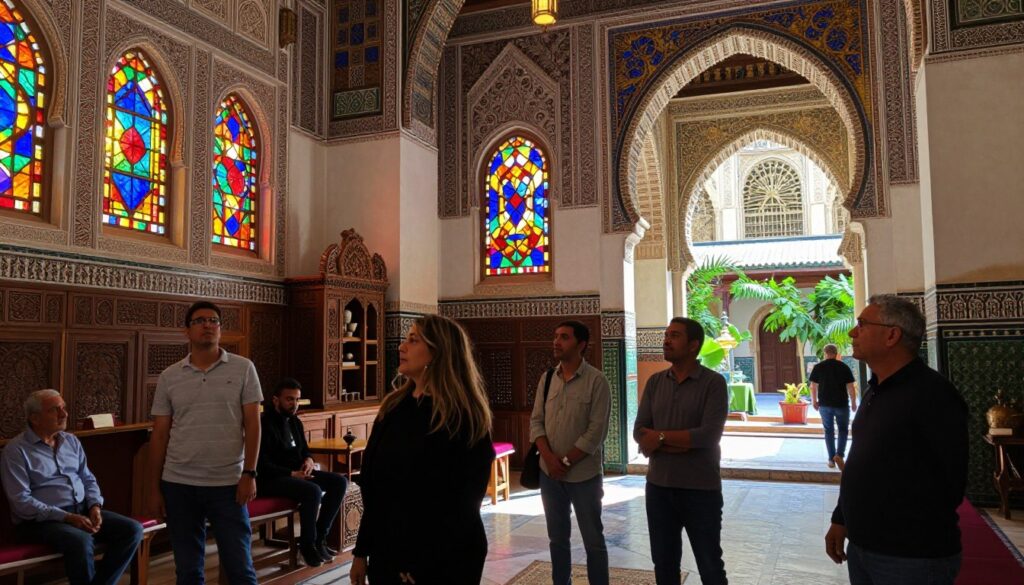
The Great Synagogue of Casablanca
The Great Synagogue of Casablanca is a key synagogue in Morocco. It’s known for its stunning architecture and historical value. Built in the early 20th century, it’s a central worship place for the local Jewish community. It’s also a top spot for tourists interested in Jewish heritage.
- A blend of traditional and modern architectural styles
- Historically significant as a center of Jewish life in Casablanca
- A place for cultural and religious exploration
The Tomb of Rabbi Abraham Ben Daud
The Tomb of Rabbi Abraham Ben Daud is a revered site in Morocco. It attracts visitors from all over the world. This site is not only spiritually significant but also a key historical landmark.
Visitors can explore the tomb and learn about the life and teachings of the revered Rabbi. It’s a place for spiritual reflection and connection.
- Historical significance as a burial site of a prominent Rabbi
- Cultural importance for understanding Morocco’s Jewish community
- A place for spiritual reflection and connection
Visiting these synagogues and historical sites in Morocco deepens our understanding of the country’s rich Jewish heritage and cultural diversity. Whether you’re into history, culture, or spirituality, Morocco’s synagogues offer a unique and enriching experience.
The Influence of Judaism on Moroccan Culture
Judaism has left its mark on Moroccan culture in many ways. This includes architecture and music. It has made Morocco’s heritage richer and more diverse.
Judaism has shaped Moroccan architecture, mainly in synagogues and communal buildings. The detailed work and ornate designs show Jewish influence.
Architecture and Art Influences
Moroccan architecture reflects Jewish traditions. You can see this in the use of bright colors, geometric shapes, and fine craftsmanship. The El Mellah Synagogue in Essaouira is a great example. It combines Jewish and Moroccan architectural styles beautifully.
| Architectural Feature | Jewish Influence | Moroccan Cultural Significance |
|---|---|---|
| Intricate Tile Work | Use of geometric patterns | Symbolizes the connection between heaven and earth |
| Ornate Wood Carvings | Storytelling through art | Reflects the importance of narrative in Moroccan culture |
| Vibrant Color Schemes | Representation of community and joy | Adds to the festive atmosphere of religious and cultural events |
Music and Festivals
Music and festivals are key parts of Moroccan culture. Jewish traditions have a big role here. The Mimouna celebration at Passover’s end is a great example. It’s filled with music, dance, and traditional foods, showing Jewish-Muslim cultural exchange.
Judaism also influences Moroccan music. Specific instruments and melodies are used in religious and cultural events. This mix of musical traditions enriches Morocco’s cultural heritage.
Planning Your Jewish Tour in Morocco
To fully immerse yourself in Morocco’s vibrant Jewish culture, understanding the best times to visit and tour operators is essential. Morocco’s Jewish heritage is rich and diverse, spanning centuries and numerous communities.
Best Times to Visit
Morocco is a year-round destination, but the best times to visit for a Jewish tour depend on your preferences and the activities you have planned. Spring (March to May) and Autumn (September to November) are considered ideal due to the mild weather. This makes it perfect for exploring the historic mellahs, synagogues, and museums.
For those interested in experiencing Jewish festivals, planning your visit around significant dates like Passover or Rosh Hashanah can be very enriching. It offers a unique glimpse into the local traditions and celebrations.
Recommended Tour Companies
Choosing the right tour company can significantly enhance your Jewish tour in Morocco. Several reputable operators specialize in Jewish heritage tours. They offer guided experiences that range from historical overviews to in-depth cultural immersions.
- Morocco Jewish Tours: Known for their knowledgeable guides and detailed itineraries that cover key Jewish heritage sites.
- Jewish Heritage Tours Morocco: Offers customized tours that cater to the interests of travelers, providing a personalized experience.
When selecting a tour company, consider their expertise in Jewish heritage, customer reviews, and the specific focus of their tours. This ensures they align with your interests and expectations.
Responsible Tourism in Jewish Heritage Sites
Visiting Jewish heritage sites in Morocco needs careful thought to keep their cultural value. By being mindful of our actions, we can help protect these sites for the future.
Cultural Sensitivity and Respect
It’s key to show respect and cultural awareness at these sites. This means dressing modestly, following rules, and respecting ongoing practices. Doing this helps keep the sites sacred and intact.
Guidelines for Visitors:
- Dress modestly and remove shoes when required.
- Refrain from taking pictures during religious services.
- Follow instructions from site staff or guides.
Sustainable Travel Practices
Traveling sustainably is important to lessen our impact on these sites. This includes reducing waste, saving water, and caring for local environments. Choosing eco-friendly tours, like those on Morocco tour platforms, helps support green tourism.
| Sustainable Practice | Impact |
|---|---|
| Reducing Plastic Use | Minimizes waste and pollution |
| Using Public Transport or Walking | Reduces carbon footprint |
| Supporting Local Businesses | Boosts local economy |
By choosing responsible tourism, we can help protect Morocco’s Jewish heritage for the next generations. It’s a shared responsibility that needs awareness, respect, and a commitment to being sustainable.
Traveling Beyond Jewish Heritage
Morocco is more than its Jewish heritage. It has a rich cultural landscape to explore. Visitors can find many experiences that show the country’s history, culture, and natural beauty.
Exploring Moroccan Tourist Attractions
Morocco has many iconic tourist spots. Places like Marrakech and Fez offer exciting experiences. Here are some top attractions:
- The vibrant Jemaa el-Fnaa square in Marrakech
- The ancient medina of Fez
- The stunning beaches of Essaouira
Integrating Jewish and General Sightseeing
It’s easy to mix Jewish heritage sites with other Morocco sights. For instance, a Marrakech tour could include the Mellah District and Jemaa el-Fnaa. In Fez, you can see the Jewish quarter and the ancient medina.
| City | Jewish Heritage Sites | Other Tourist Attractions |
|---|---|---|
| Marrakech | Mellah District | Jemaa el-Fnaa, Bahia Palace |
| Fez | Jewish Quarter | Ancient Medina, Al-Attarine Madrasa |
| Essaouira | El Mellah Synagogue | Essaouira Beach, Skalla de la Ville |
By mixing Jewish heritage with other Moroccan sights, visitors get a full picture of the country’s culture.
Essential Travel Tips for Jewish Tours in Morocco
Exploring Morocco’s vibrant Jewish culture on a guided tour requires cultural sensitivity, safety awareness, and effective communication. Preparing for your journey involves understanding Morocco’s travel nuances. This can greatly improve your experience.
Safety Considerations
Morocco is generally safe for tourists, including those visiting Jewish heritage sites. Yet, taking precautions can make your trip smooth and enjoyable. Stay informed about local conditions, respect local customs, and be aware of your surroundings.
Some key safety tips include:
- Stay updated with local news and demonstrations
- Dress modestly to respect local culture
- Be cautious with personal belongings, even in crowded areas
Language and Communication
Many Moroccans speak English, but learning basic Arabic or French phrases can be helpful. It shows respect for the culture and can lead to more meaningful interactions. This makes your experience more immersive.
Key phrases to learn include:
- Greetings such as “As-salamu alaykum” (peace be upon you)
- Basic questions like “Où est…?” (where is…) or “Combien ça coûte?” (how much does it cost?)
- Expressions of gratitude like “Shukraan” (thank you)
Being prepared and informed can lead to a rewarding experience exploring Morocco’s Jewish heritage. Whether through guided tours or local interactions, understanding and respecting local customs is key.
Conclusion: Experiencing Morocco’s Jewish Heritage
Morocco’s Jewish heritage is a vibrant and key part of the country’s culture. Visitors exploring this heritage learn about the community’s history and customs. This helps in preserving it.
Preserving a Rich Legacy
It’s vital to keep Morocco’s Jewish heritage alive. Efforts to save sites like the El Mellah Synagogue in Essaouira and the Museum of Moroccan Judaism are key. By supporting these efforts, visitors help ensure Morocco’s Jewish culture continues.
Lasting Impressions
Visiting Morocco’s Jewish heritage sites makes a lasting impact. It shows a deep respect for the country’s rich culture and the Jewish community’s strength. Morocco’s Jewish heritage is a big part of its identity, enriching the lives of all who experience it.