The Ultimate Guide to the Marrakech to Fes Desert Trip: Adventure Across Morocco
Introduction
Are you ready for an unforgettable adventure in a country filled with rich culture, history, and stunning landscapes? marrakech to fes desert trip and also highlight merzouga desert tour from marrakech to fes offer the perfect way to immerse yourself in the wonders of Morocco. Whether you’re exploring the vibrant streets of its cities or trekking through its breathtaking natural wonders, the journey from Marrakech to Fes has something for everyone. In this guide, we’ll walk you through the essentials of planning your journey, showing why this destination is worth visiting.
Materials & Supplies
Before embarking on your Moroccan desert adventure, it’s important to be prepared. Here are the essentials for your trip:
– Travel Documents: Ensure your passport, tickets, and visas are in order. Most travelers need a passport valid for at least six months beyond their stay.
– Luggage: A comfortable suitcase or backpack for your journey. Consider a daypack for excursions.
– Comfortable Travel Gear: Lightweight, breathable clothing for hot days, layers for cool desert nights, and sturdy walking shoes for exploring medinas and dunes.
– Travel Essentials: High SPF sunscreen, a quality camera to capture the magnificent landscapes, a detailed guidebook, and a travel pillow for long drives between destinations.
– Optional Items: Moroccan SIM card for local connectivity (available at airports), portable charger, hat, sunglasses, and a lightweight scarf (useful for sun protection and visiting religious sites).
Timing / Travel Schedule
Planning your Moroccan desert trip requires understanding the best times to visit:
– Spring (March-May): Ideal for outdoor activities with pleasant temperatures between 68-86°F (20-30°C) and blooming landscapes.
– Fall (September-November): The perfect time to explore with fewer tourists and great weather, similar to spring conditions.
– Summer (June-August): Best to explore coastal areas for cooler temperatures, as inland regions and the desert can reach over 100°F (38°C).
– Winter (December-February): Cooler in most regions, with potential snow in the Atlas Mountains. Desert nights can be quite cold.
For the best experience, plan your trip for at least 7-10 days. A typical Marrakech to Fes desert journey requires a minimum of 3-4 days to include the Merzouga Desert, but additional time allows for a more relaxed pace and deeper exploration.
Step-by-Step Instructions
To make the most of your Marrakech to Fes desert journey, follow these steps:
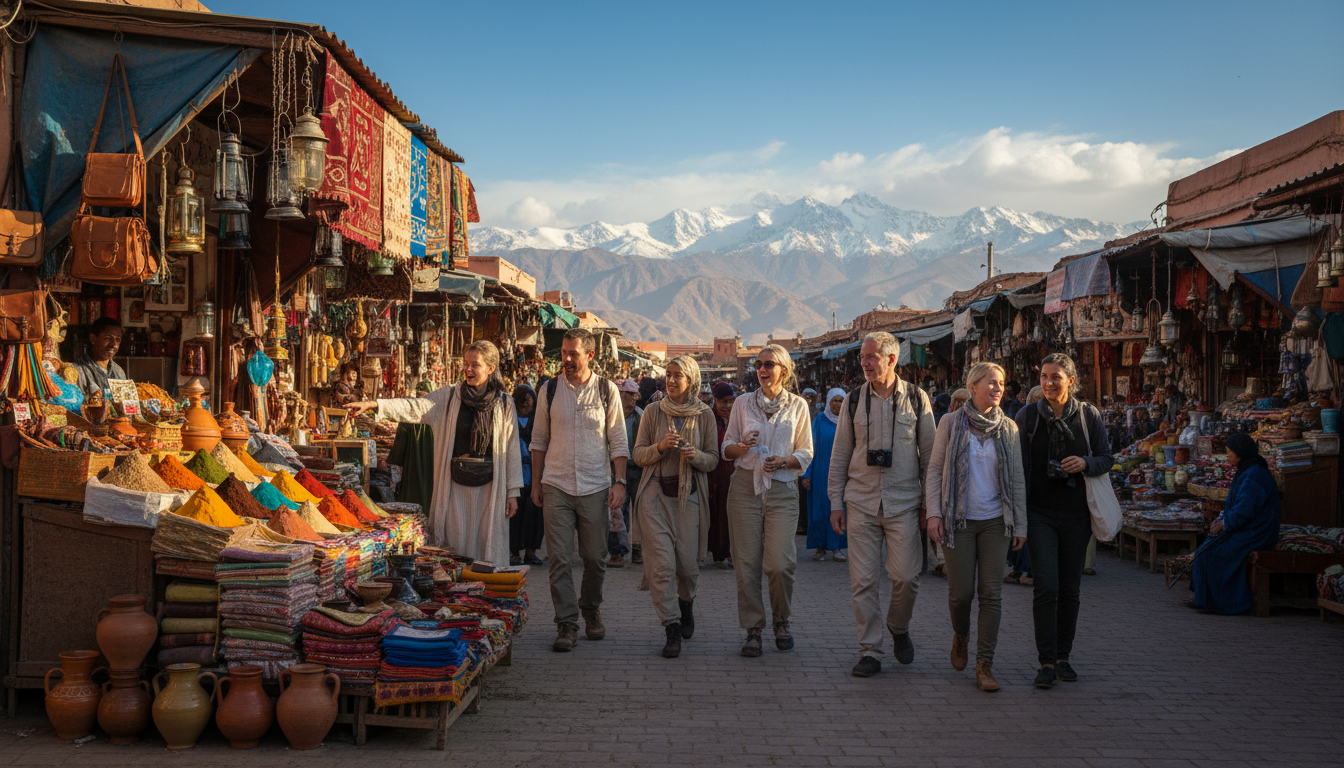
1. Choose Your Departure Point: Most tours begin in Marrakech, known for its vibrant Jemaa el-Fnaa square and historic medina, before ending in the cultural capital of Fes.
2. Book Your Tour: Decide between guided group tours or a customized, private experience. Group tours offer cost-efficiency and social interaction, while private tours provide flexibility with your itinerary.
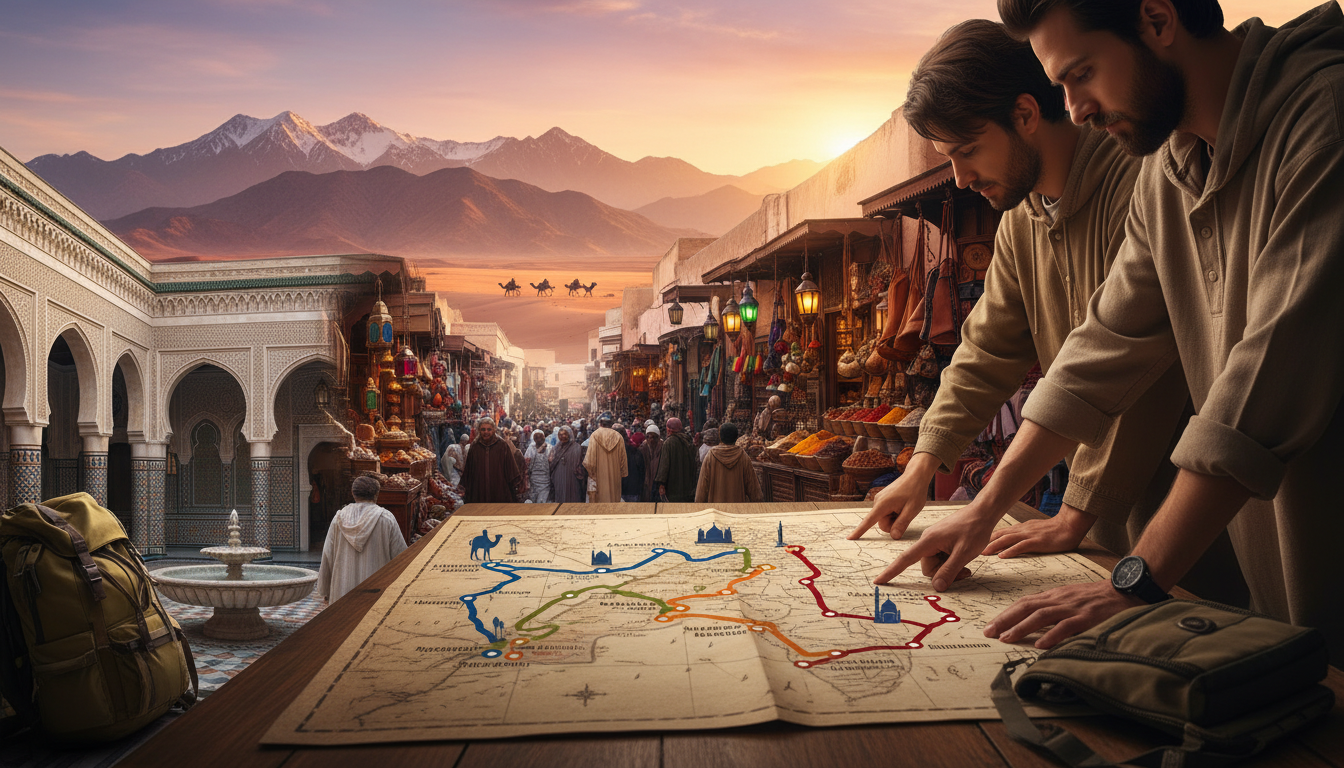
3. Create Your Itinerary: Include these key destinations:
– Ait Ben Haddou: UNESCO World Heritage site and famous film location
– Todra Gorge: Dramatic canyon with towering walls
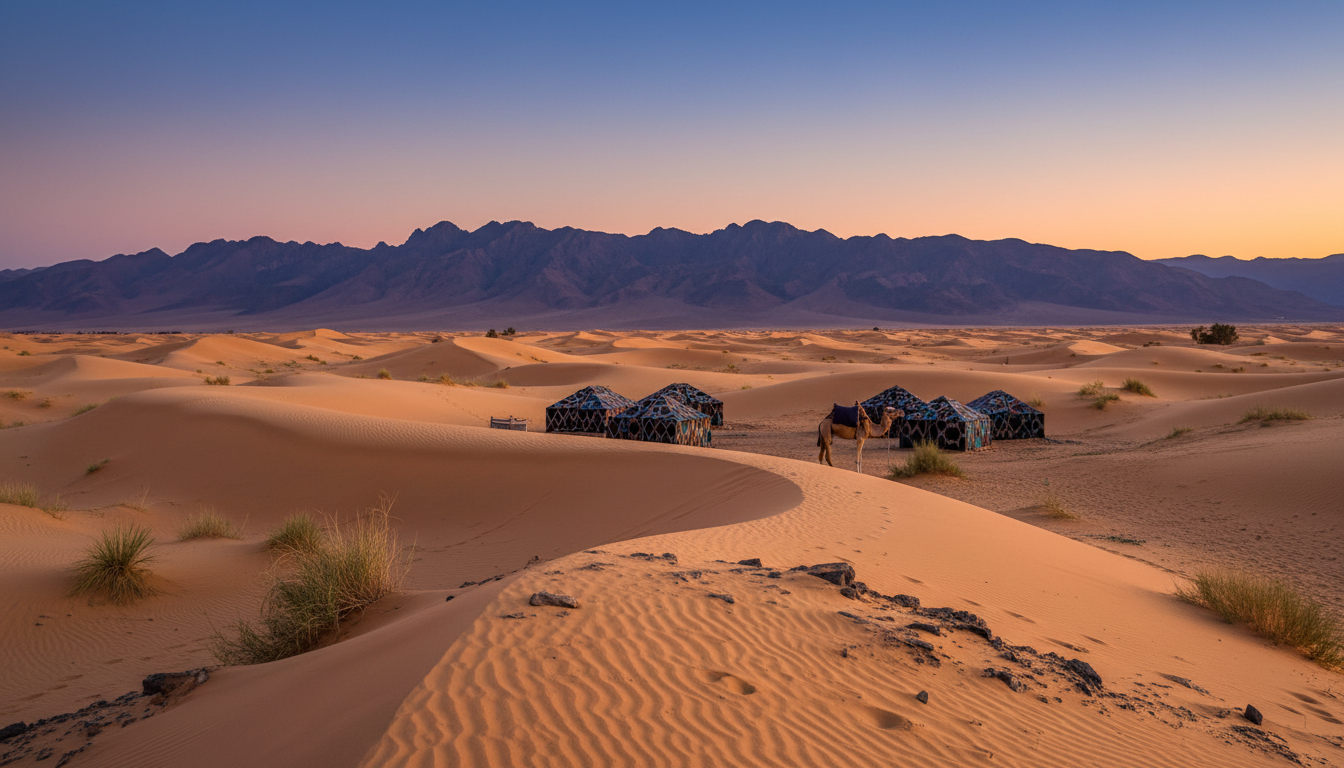
– Merzouga: Gateway to the golden dunes of Erg Chebbi
– Overnight in a desert camp for an authentic Berber experience
– Ifrane: Known as “Little Switzerland” with its alpine architecture
4. Pack Smart: Focus on lightweight, moisture-wicking clothing and comfortable walking shoes. Don’t forget a warm layer for cool desert nights.
5. Prepare for the Desert: The highlight of your journey will be the camel trek and overnight stay in the Sahara Desert, requiring specific preparations like extra water and sand-proof camera protection.
Advantages of the Marrakech to Fes Desert Route
This iconic Moroccan journey offers unique experiences and benefits:
– Diverse Landscapes: Witness dramatic changes from the lush Atlas Mountains to the golden Sahara dunes in just a few days.
– Cultural Immersion: Experience Berber hospitality firsthand with authentic meals, music, and accommodation.
– Historical Depth: Explore ancient kasbahs, medinas, and trading routes that have remained largely unchanged for centuries.
– Stargazing Opportunities: The clear desert skies offer unparalleled views of stars and constellations away from light pollution.
– Photography: Capture some of the most Instagram-worthy landscapes in North Africa, from sunrise over the dunes to ancient mud-brick kasbahs.
Tips and Travel Advice
Here are some useful travel tips for your Moroccan adventure:
– Language: While Arabic and Berber are official languages, French is widely spoken. Learn a few basic Arabic greetings to connect with locals.
– Currency: Carry some Moroccan dirhams (MAD) in cash, as credit cards aren’t accepted everywhere, especially in remote areas.
– Haggling: Practice your negotiation skills in souks – start at around 40% of the initial asking price.
– Driving Conditions: Roads between major destinations are generally good, but mountain passes can be challenging. Consider hiring a professional driver.
– Photography Etiquette: Always ask permission before photographing people, especially in rural areas.
Common Mistakes to Avoid
Avoid these travel mistakes when visiting Morocco:
– Not Respecting Local Customs: Dress modestly, especially when visiting religious sites and rural areas. Women should cover shoulders and knees.
– Overpacking: The journey involves multiple stops and accommodations – pack light to avoid hassle during transfers.
– Booking Last-Minute Desert Camps: The best desert camps fill up quickly, especially during peak seasons. Book well in advance for quality experiences.
– Ignoring Hydration: Morocco’s dry climate demands consistent water intake, particularly during desert excursions.
– Missing Sunrise in the Desert: Set your alarm for the spectacular desert sunrise – it’s worth the early wake-up call.
Maintenance Tips
Keep your travel essentials in great condition throughout your trip:
– Protect Your Electronics: Sand can damage cameras and phones. Bring protective cases and sealable bags.
– Vehicle Considerations: If self-driving, check fluid levels regularly as desert heat places extra strain on vehicles.
– Personal Comfort: Use scarves to protect against dust during desert winds and maintain personal hygiene with wet wipes when shower facilities are limited.
– Food Safety: Stick to bottled water and fully-cooked foods to avoid stomach issues that could disrupt your journey.
Conclusion
In conclusion, the Marrakech to Fes desert trip offers an unforgettable journey across Morocco’s most spectacular landscapes. From the bustling souks of Marrakech to the serene Sahara dunes and finally to the ancient medina of Fes, this route encapsulates the essence of Morocco in one magnificent journey. Whether you’re seeking adventure, cultural immersion, or simply breathtaking natural beauty, this classic Moroccan itinerary delivers an experience that will stay with you long after your return home.
Call to Action
We can help you craft your Marrakech to Fes desert journey and offer a variety of exciting tours, excursions, and day trips for you to choose from. Take a look at our suggestions:
5-Day Marrakech to Chefchaouen Tour
5 Days Tour from Marrakech to Fes
10 Days in Morocco The Ultimate Itinerary
14 Days in Morocco
Discover our all Tours Here
Discover our all Desert Tours Here
Discover our day trips here
Whatsapp us on: +212 679 037 384
Let us help you create the perfect itinerary for your Moroccan desert adventure!
FAQs
What is the best time to visit Morocco for a desert trip?
Spring (March-May) and fall (September-November) are ideal, offering pleasant temperatures and avoiding summer’s extreme heat.
How many days do I need for a Marrakech to Fes desert tour?
A minimum of 3-4 days is necessary, but 5-7 days allows for a more relaxed pace and deeper cultural experiences.
Do I need a visa for Morocco?
Many travelers from North America, Europe, and Australia can enter Morocco visa-free for stays up to 90 days. Check specific requirements before your trip.
Is it safe to drink tap water in Morocco?
It’s recommended to stick to bottled water throughout your journey to avoid stomach issues.
What should I wear for a camel trek in the Sahara?
Long pants to prevent chafing, closed shoes, and layers that can be added or removed as temperatures change between day and night.