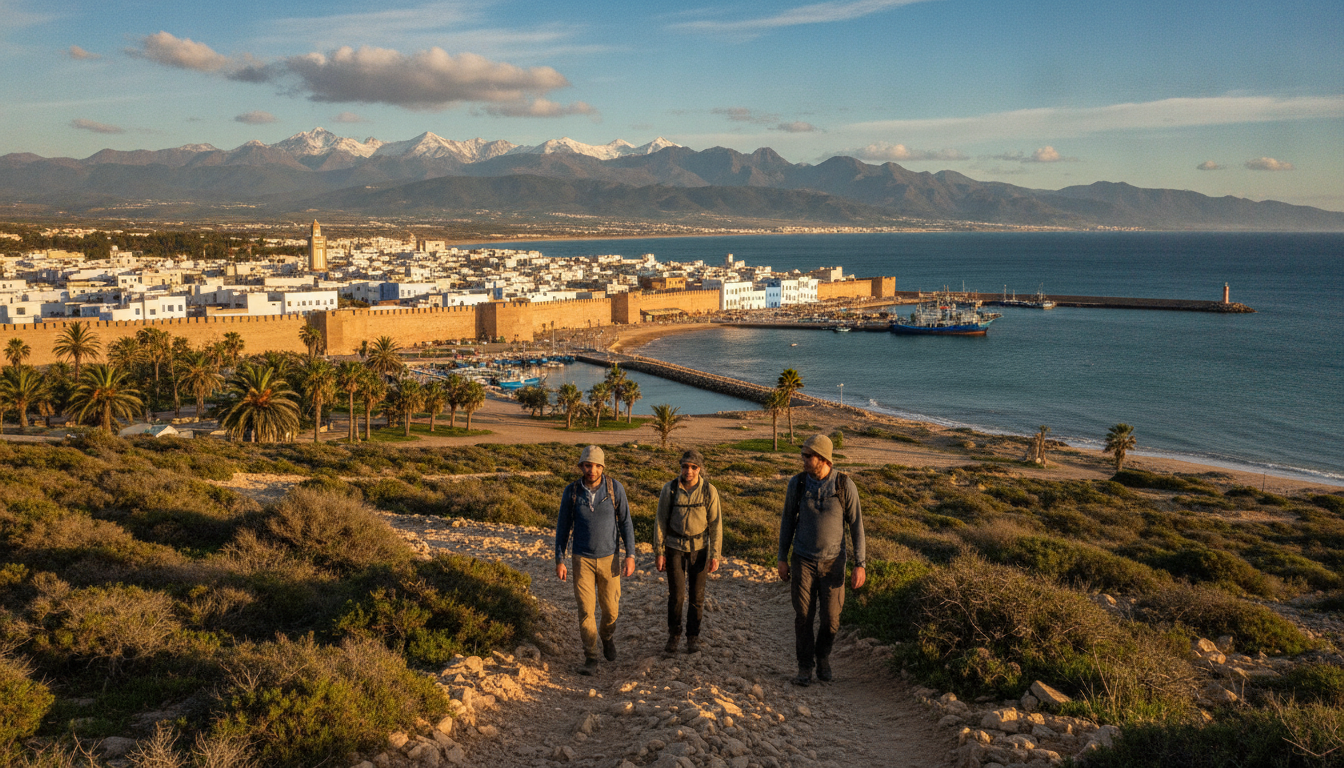
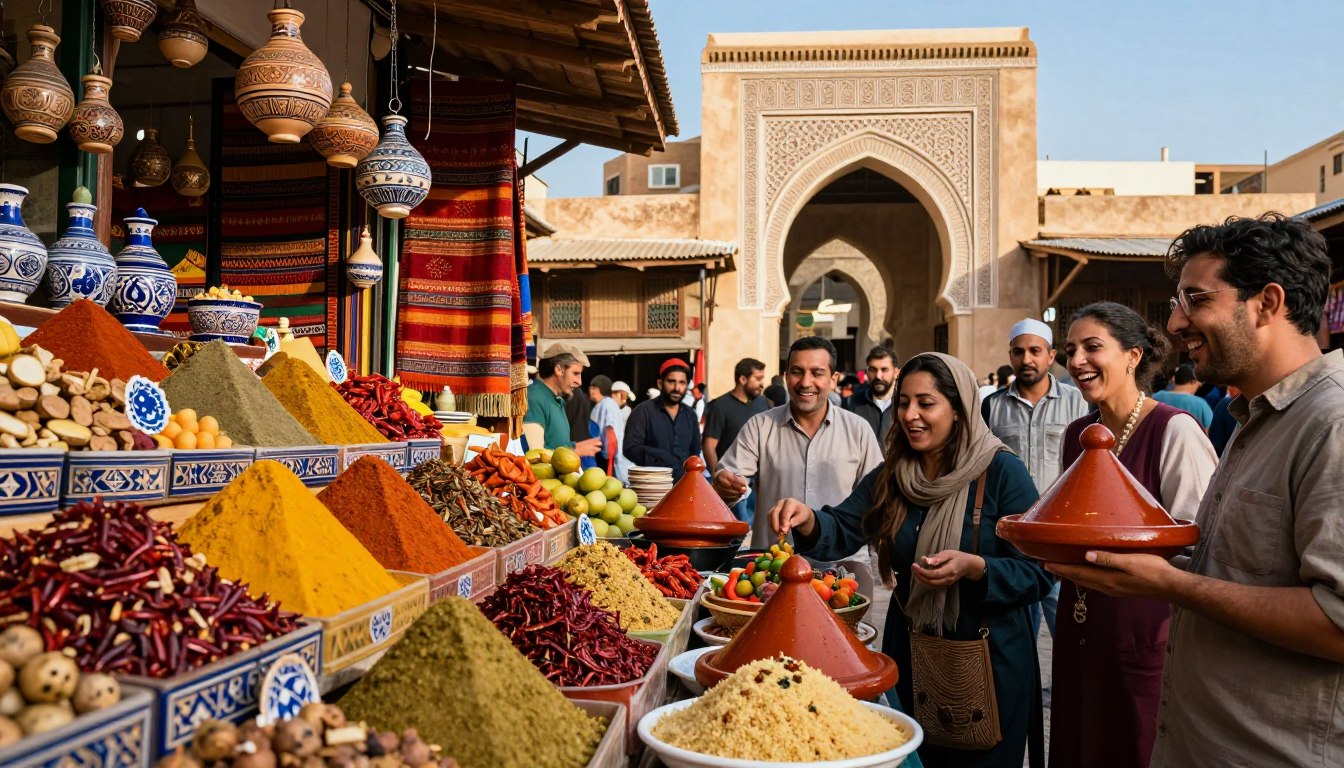
Imagine walking through Marrakech’s busy streets. The smell of exotic spices and freshly baked bread fills the air. As you wander through the souks, the sights and smells of Morocco’s food call you to start a food journey.
Start a culinary adventure in Morocco’s heart. You’ll taste everything from tangy preserved lemons to sweet pastries. Each dish shares a piece of Morocco’s rich culture.
Key Takeaways
- Explore the vibrant culinary scene of Morocco
- Discover the rich flavors and aromas of traditional Moroccan cuisine
- Experience the cultural influences that shape Morocco’s gastronomic identity
- Indulge in a variety of local delicacies and specialties
- Enjoy a guided tour that takes you through the heart of Morocco’s culinary heritage
Introduction to Moroccan Cuisine
Exploring Moroccan cuisine is like stepping into a world of vibrant flavors and scents. It’s shaped by centuries of cultural exchange. Moroccan food shows the country’s rich history and its role as a crossroads between Africa, Europe, and the Middle East.
Moroccan cuisine is diverse, using many ingredients and cooking methods. From the spices in souks to the hearty tagines and couscous, each dish shares a piece of the country’s cultural story.
The Essence of Moroccan Food
Moroccan cuisine blends traditional Berber, Arab, and Mediterranean flavors. This mix is known for aromatic spices, fresh herbs, and fruits and nuts. The result is food that’s both tasty and fragrant, with dishes often slow-cooked to perfection.
Aromatic Spices are key in Moroccan cuisine. Spices like cumin, coriander, cinnamon, and ginger add depth and warmth. Fresh herbs like parsley and cilantro add a unique flavor that’s distinctly Moroccan.
Key Ingredients in Moroccan Cooking
Moroccan cooking uses a variety of ingredients, including meats, vegetables, grains, and spices. Common ingredients include lamb, chicken, olives, preserved lemons, and vegetables like carrots, zucchini, and tomatoes.
| Ingredient | Common Uses |
|---|---|
| Lamb | Tagines, couscous, grilled meats |
| Olives | Salads, tagines, couscous |
| Preserved Lemons | Tagines, salads, sauces |
| Couscous | Main dish, side dish |
These ingredients, along with Morocco’s rich culinary traditions, make its cuisine unique and exciting. Whether you’re on a guided culinary tour of Morocco or exploring local markets, Moroccan flavors will surely impress you.
The History of Moroccan Culinary Traditions
Moroccan cuisine is shaped by its location at the crossroads of Africa, Europe, and the Middle East. This rich heritage shows the country’s strategic position and history of cultural exchange.
Influences from Berber, Arab, and Mediterranean Cultures
The Berber people, the original inhabitants of North Africa, have a big impact on Moroccan cooking. They introduced key ingredients like barley, olives, and dates. These are essential in Moroccan dishes.
Arab traders and settlers brought new ingredients and cooking methods. They added spices like cumin, coriander, and cinnamon. The Mediterranean influence came from European cultures, introducing lemons, tomatoes, and peppers.
This mix of cultures has created a unique taste. For example, the traditional Berber dish, tagine, now includes Arab and Mediterranean flavors. This has made Moroccan food rich and varied.
The Role of Trade in Shaping Flavors
Trade has greatly influenced Moroccan cuisine. The country’s location on ancient trade routes allowed for the exchange of goods. This included spices, grains, and other food staples.
Merchants brought exotic spices and ingredients from far away. For example, ginger from Asia and saffron from the Middle East were added to local recipes. These ingredients have enriched Moroccan dishes.
| Ingredient | Origin | Use in Moroccan Cuisine |
|---|---|---|
| Saffron | Middle East | Used in tagines and couscous for its distinct flavor and color |
| Ginger | Asia | Commonly used in spice blends and as a fresh ingredient in cooking |
| Olives | Mediterranean | Used in various dishes, including tagines and salads |
Trade not only introduced new ingredients but also changed cooking methods. This has made Moroccan food complex and rich. Trying authentic Moroccan dishes can help you understand these influences.
For those interested in Moroccan food and culture exploration, knowing the history is key. The mix of Berber, Arab, and Mediterranean cultures, along with trade, has made Moroccan cuisine unique and flavorful.
Traditional Moroccan Dishes to Try
Morocco’s food scene is filled with dishes you must try. Moroccan food is a mix of flavors, shaped by the country’s culture and location.
Tagine: A Signature Stew
Tagine is a famous Moroccan stew. It’s cooked in a clay pot with a conical lid. The slow cooking blends the flavors, making a rich stew.
Tagine can have chicken or lamb, onions, garlic, ginger, and spices. It’s a favorite at special events and is a key part of Moroccan food.
Couscous: The National Dish
Couscous is Morocco’s national dish. It’s small steamed balls of semolina flour, served with veggies and meats. It’s a big deal on Fridays, symbolizing family and community.
To make Couscous, semolina flour is steamed many times. Then, it’s served with veggies and meats, making a filling meal.
Pastilla: A Sweet and Savory Pie
Pastilla is a tasty Moroccan dish. It’s a flaky pastry filled with meat, onions, and spices. It’s topped with almonds, cinnamon, and sugar.
The mix of sweet and savory makes Pastilla interesting. It’s great as an appetizer or at special events, showing off Moroccan food’s depth.
Spices that Define Moroccan Cooking
Moroccan cooking is all about spices. The right mix can make a dish amazing. Moroccan food is known for its deep flavors, thanks to spices.
Common Spices Used in Recipes
Moroccan cooking uses many spices. Each spice adds its own taste and smell. Spices like cumin, coriander, cinnamon, ginger, and turmeric are key.
Cumin and coriander are often paired. They add warmth to dishes like tagines and couscous. Cinnamon and ginger are great in sweet and savory pastries. Turmeric gives rice dishes a yellow color and a subtle earthy taste.
Key Spices in Moroccan Cooking:
- Cumin: Adds warmth and depth
- Coriander: Complements cumin with a slightly sweet flavor
- Cinnamon: Used in both sweet and savory dishes
- Ginger: Adds a spicy, warming flavor
- Turmeric: Provides a subtle earthy flavor and yellow color
The Importance of Spice Blends
Spice blends are vital in Moroccan cooking. They help create complex flavors. Ras el hanout is a famous blend, meaning “head of the shop.”
Ras el hanout is used in many dishes. It’s for tagines, couscous, grilled meats, and veggies. The blend can change a lot, making it personal and unique.
Want to dive into Moroccan cuisine? Try a Moroccan food tour or take moroccan cooking classes. You’ll learn about spice blends and traditional recipes.
The Experience of a Moroccan Food Tour
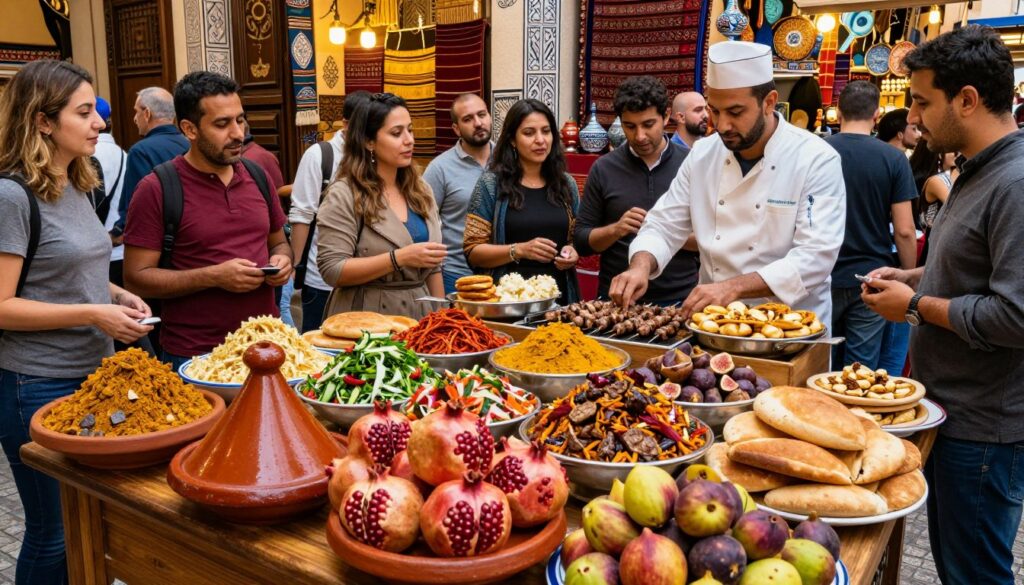
A guided culinary tour in Morocco takes you deep into its lively food culture. It’s a journey through the country’s rich culinary history. You’ll explore the varied flavors and dishes that make Moroccan cuisine special.
What to Expect on a Culinary Journey
On a Moroccan food tour, you’ll try many traditional dishes. From the famous tagine to the sweet pastilla, there’s a lot to taste. You’ll visit busy markets and local spots, getting a real feel for Moroccan food.
You’ll also try street food and learn how Moroccan dishes are made. It’s a chance to see the local ingredients and cooking methods.
For a detailed guide on exploring Morocco with guided tours, check out Africa Tours Marrakech.
Popular Regions for Food Tours
Morocco’s food scene changes a lot from one region to another. Each area has its own flavors and dishes. Marrakech is known for its lively souks and rich food history. Fez has ancient dishes and a historic medina. Essaouira is famous for its fresh seafood and local ingredients.
By visiting these places on a food tour, you’ll learn more about Morocco’s diverse food heritage. You’ll also experience the warm local hospitality.
Choosing the Right Food Tour Company
To fully enjoy Moroccan cuisine, picking a good food tour company is key. With many choices, knowing what to look for is vital for a great experience.
Tips for Selecting a Reputable Provider
When looking for a food tour company, consider these points:
- Local Knowledge: A company with strong local ties offers a real experience.
- Variety of Tours: Choose a company with many tours for different tastes and needs.
- Customer Reviews: Read online reviews to see how others liked their tours.
Here’s a table to help compare:
| Company | Tour Variety | Customer Rating |
|---|---|---|
| Africa Tours Marrakech | 5+ | 4.8/5 |
| Moroccan Flavors | 3+ | 4.5/5 |
| Cuisine Explorers | 4+ | 4.7/5 |
By looking at these factors and comparing, you can choose wisely. For more info on top Morocco tour companies, visit Africa Tours Marrakech.
Specialized Tours for Food Enthuasiasts
For a deeper dive into Moroccan cuisine, specialized tours are great. They focus on different parts of Moroccan food, like:
- Street Food Tours: Exploring the lively street food scene.
- Cooking Classes: Learning to make traditional Moroccan dishes.
- Market Visits: Finding local ingredients and spices.
These tours give a deeper look at Moroccan cuisine and its culture. By picking a tour that matches your interests, you get a more authentic Moroccan food tasting experience.
Street Food: A Taste of Moroccan Culture
Street food in Morocco is more than a meal; it’s an experience. It shows the country’s rich culinary heritage. The streets are filled with the smell of spices and the sound of sizzling meat. They also have the vibrant colors of fresh produce, making it a culinary adventure.
Must-Try Street Food Delicacies
Moroccan street food is affordable and authentic. Some must-try delicacies include:
- Grilled Meats: Skewers of marinated meat, often lamb or chicken, grilled to perfection.
- B’stilla: A savory pie made with layers of flaky pastry, meat, onions, and spices.
- Harira: A hearty soup made with tomatoes, lentils, chickpeas, and spices.
- Ma’joun: A sweet and spicy paste made from a mix of nuts, honey, and spices.
These dishes not only tantalize the taste buds but also provide a glimpse into the traditional cooking methods and ingredients used in Moroccan cuisine.
The Vibrant Atmosphere of Moroccan Markets
The markets, or souks, of Morocco are a sensory overload in the best possible way. The air is thick with the smell of spices, fresh bread, and grilled meats. The vibrant atmosphere is enhanced by the bustling activity of vendors selling everything from fresh produce to handmade crafts.
A visit to a Moroccan market is not just about shopping; it’s an experience that engages all the senses. The sounds, smells, and tastes combine to create a memorable culinary adventure.
| Market | Location | Specialties |
|---|---|---|
| Souk Semmarine | Marrakech | Fresh produce, spices, and traditional crafts |
| Madinah Souk | Essaouira | Local handicrafts, seafood, and traditional clothing |
| Souk el Had | Agadir | Fresh fish, local spices, and Berber products |
Exploring these markets and trying the street food is a great way to experience the authentic flavors and culture of Morocco.
Cooking Classes: Hands-On Culinary Experiences
Moroccan cooking classes offer a chance to dive into traditional Moroccan cuisine. You get to learn by doing, not just tasting.
Learning to Prepare Traditional Dishes
In these classes, you’ll learn to make dishes like tagine and couscous. These are key parts of Moroccan food.
Experienced chefs will teach you about ingredients and cooking methods. This hands-on learning boosts your cooking skills and helps you understand the culture behind the dishes.
The Benefits of a Cooking Class
Joining a Moroccan cooking class has many perks. You get to learn local cooking traditions and new techniques. Plus, you’ll take home skills to use in your own kitchen.
A guided culinary tour of Morocco with a cooking class is even better. It lets you see the local food scene, meet chefs, and learn about regional ingredients and cooking.
By the end, you’ll know how to make traditional Moroccan dishes. You’ll also appreciate the complexity and richness of Moroccan cuisine.
Moroccan Desserts: A Sweet Indulgence
Moroccan sweets are famous for their rich flavors. They are a key part of any Moroccan foodie adventure. The variety of desserts shows Morocco’s rich culture and history.
Famous Sweets and Pastries to Sample
Moroccan desserts are perfect for those who love sweets. Some top picks include:
- Chebakia: A sweet, deep-fried pastry coated in honey and sprinkled with sesame seeds.
- Ghoriba: A shortbread-like cookie often flavored with nuts or spices.
- Mhancha: A pastry made with layers of flaky dough, nuts, and honey.
These treats are not just tasty. They also give a peek into Morocco’s rich culinary traditions.
The Role of Tea in Moroccan Hospitality
In Morocco, tea is a big part of welcoming guests. The traditional Moroccan tea, known as Atay, is made with green tea, fresh mint, and sugar. It’s a sign of friendship and is served with great care.
Pairing sweet desserts with refreshing tea is a key part of Moroccan culture. It’s a must-try for anyone exploring must-try Moroccan dishes.
Regional Variations in Moroccan Cuisine
Moroccan food changes a lot from coast to desert, thanks to local ingredients and traditions. This variety shows the country’s rich culture and geography. It’s what makes Moroccan food so special.
A Look at Different Regional Specialties
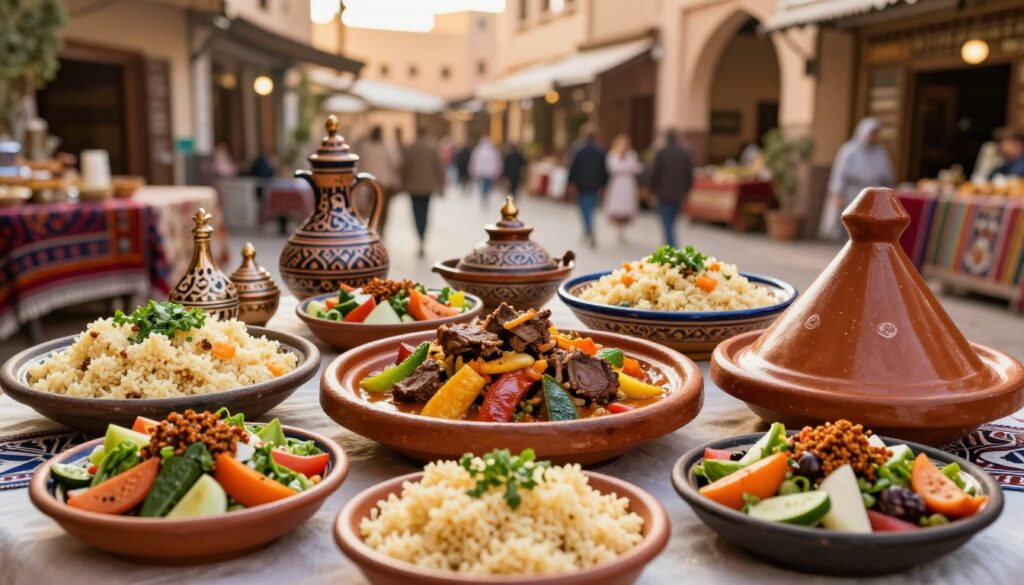
Every region in Morocco has its own food. Coastal places like Essaouira and Rabat are known for their seafood. Inland cities like Marrakech and Fez are famous for their tagines and couscous. The desert, including Merzouga, has hearty dishes for the harsh climate.
How Geography Influences Food
Geography shapes Moroccan food a lot. The Atlas Mountains offer fresh produce. The Sahara Desert makes people use preserved meats and dried fruits. Coastal areas have lots of seafood.
| Region | Specialties | Influencing Factors |
|---|---|---|
| Coastal Regions | Fresh seafood, grilled fish | Access to the Atlantic Ocean |
| Inland Cities | Tagines, couscous | Agricultural produce from the Atlas Mountains |
| Desert Regions | Preserved meats, dried fruits | Harsh desert climate, limited fresh produce |
For those wanting to try the top Moroccan food destinations, visiting these places is essential. Each area offers a unique taste experience. From Marrakech’s markets to Merzouga’s desert, tasting authentic Moroccan food is a must.
The Importance of Food in Moroccan Culture
Food is key in Moroccan society, showing the nation’s rich history and traditions. It brings people together, builds community, and highlights the country’s diverse food scene.
Dining Etiquette and Traditions
In Morocco, eating is a big deal with its own rules and customs. For example, meals are eaten with the right hand, as the left is seen as unclean. It’s also important to wash hands before and after eating.
The importance of sharing food is huge in Moroccan culture. Meals are seen as chances to connect with family and friends.
Moroccans are very proud of their hospitality, making mealtimes special. Guests are often given traditional dishes like tagine and couscous, made with love. For a true taste of Morocco, check out delicious Moroccan food spots.
Festivals Celebrating Moroccan Cuisine
Morocco celebrates its food through many festivals and events all year. These events let you try the country’s varied dishes, from old favorites to new creations. The Marrakech International Film Festival is a big highlight, with food events and workshops.
Other big events include food festivals in Fez and Rabat. Here, people can try lots of Moroccan treats. These festivals honor Moroccan food and help people understand each other through food.
By joining in these food events and exploring local spots, visitors learn more about food’s role in Moroccan culture. Whether it’s a home-cooked meal or street food, the experience is unforgettable and enriching.
Enjoying Moroccan Meals: Dining Experiences
In Morocco, meals are more than just food; they’re a way to celebrate community and tradition. Every meal is a chance to connect with others, thanks to the country’s rich culture.
The Concept of Sharing Food
Sharing food is key in Moroccan dining. Meals are served on big platters, so everyone shares. This makes meals a time for togetherness, a core part of the best Moroccan cuisine experience.
When you join a Moroccan food tour, you’ll see this firsthand. You’ll enjoy traditional dishes with locals and travelers, feeling part of the community.
Unique Dining Settings
Morocco has many special places to eat. You can find lavish riads or bustling street food markets. Each place adds to the flavor and smell of Moroccan food.
Dining in a riad is special. You get to enjoy traditional dishes in a cozy, beautifully decorated spot. The calm gardens and fancy interiors make the meal unforgettable.
Street food markets, on the other hand, are lively. The sights, sounds, and smells of local food make for a unique experience. Trying street food lets you taste real Moroccan flavors in a fun setting.
Whether you eat in a fancy riad or a busy market, your Moroccan food tour will be full of amazing moments and tastes.
Sustainable Tourism and Moroccan Food
Morocco is embracing sustainable tourism to keep its food traditions alive. This move helps local farmers and makes visits more meaningful for everyone.
Supporting Local Farmers and Markets
Supporting local farmers is a big part of Morocco’s sustainable tourism. Moroccan cooking classes and tours help the local economy by using fresh, local ingredients. This keeps traditional farming alive.
Visiting markets like Marrakech’s souks lets tourists see the variety of local produce and crafts. These markets are key to the local economy and show off Moroccan food culture.
Sustainable Practices in Food Tour Operations
Food tour operators in Morocco are going green. They reduce waste, use eco-friendly packaging, and teach about eating responsibly. Guided culinary tours in Morocco now highlight the country’s food and teach about sustainable eating.
Some tours support projects like women’s cooperatives and local food projects. These efforts help share tourism benefits fairly and protect Morocco’s food heritage.
Choosing sustainable tours lets visitors enjoy real Moroccan food while helping local communities.
Connecting with Local Chefs and Home Cooks
Exploring Moroccan cuisine means meeting local chefs and home cooks. These interactions deepen your love for Moroccan food and culture.
The Value of Authentic Cooking Experiences
Trying authentic Moroccan food tasting lets you taste many traditional dishes. Chefs and home cooks share their cooking secrets and stories. This gives you a special look into Morocco’s food history.
- Learn traditional cooking methods passed down through generations.
- Discover the significance of key ingredients in Moroccan cuisine.
- Enjoy the warmth of Moroccan hospitality firsthand.
A Moroccan foodie adventure is more than just food. It’s about the people and culture. Joining cooking classes or dining with locals makes you part of the community, even if just for a little while.
Building Community Through Food
Food is key in Moroccan culture, bringing people together. Sharing meals and cooking lets visitors connect with locals.
Cooking and sharing food builds community and a sense of belonging. It’s a way to connect across cultural lines, making for real exchanges between hosts and guests.
- Participate in a cooking class to learn about Moroccan cuisine.
- Share a meal with a local family to experience their hospitality.
- Explore local markets to discover fresh ingredients and spices.
Embracing these experiences makes your Moroccan foodie adventure richer. You’ll create lasting memories that go beyond just the food.
Conclusion: Embarking on Your Culinary Adventure
As you finish exploring Morocco’s flavors, it’s time to plan your culinary journey. A Moroccan food tour is a unique chance to dive into the country’s rich food culture.
Planning Your Trip
When planning your trip, think about visiting top food spots like Marrakech, Fez, and Chefchaouen. These cities are full of culinary adventures. You can take traditional cooking classes or go on street food tours.
Immersing in Local Culture
To really get into Moroccan culture, look for authentic places to eat like riads and local markets. Make sure to try dishes like tagine and couscous. And don’t be shy to ask locals for their favorite spots.
By diving into Morocco’s flavors and culture, you’ll make memories that last. You’ll also gain a deeper love for this beautiful country.