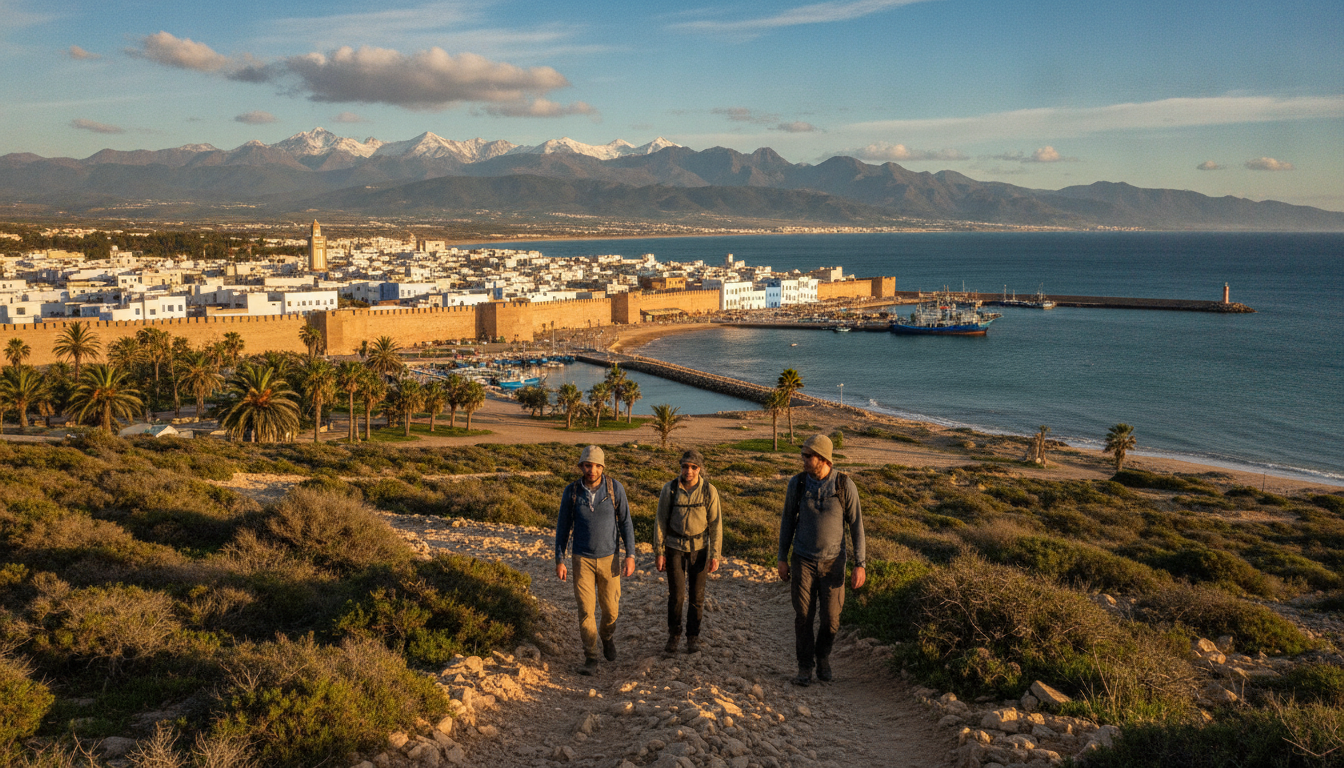
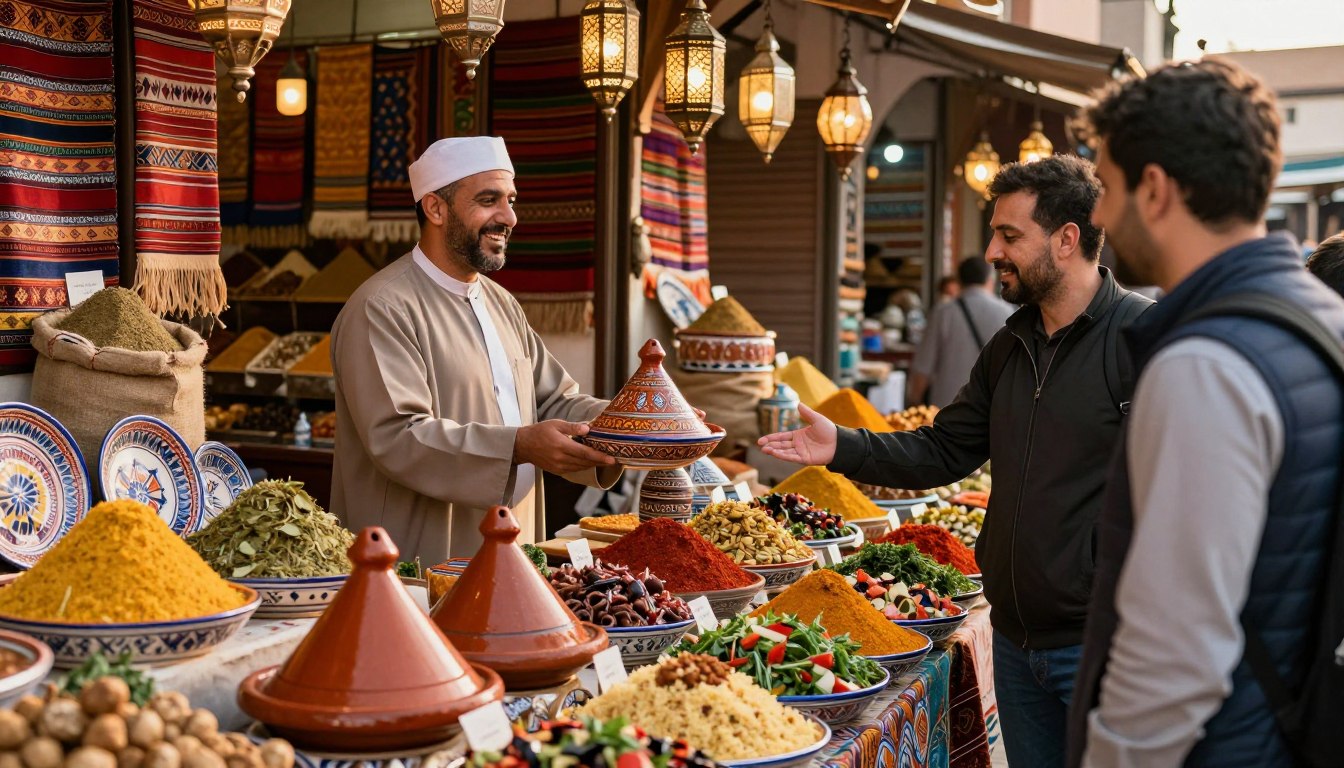
Imagine walking through the lively markets of Marrakech. The smell of exotic spices and fresh bread fills the air. An unforgettable culinary adventure awaits on an Intrepid Morocco Food Tour. It dives into the country’s rich food heritage.
This tour takes you on a trip through Moroccan cuisine‘s diverse tastes and cultural traditions. You’ll enjoy local treats, explore colorful markets, and learn about the country’s food identity. Expert guides will lead the way.
Key Takeaways
- Explore the rich culinary heritage of Morocco
- Discover local delicacies and traditional flavors
- Immerse yourself in vibrant markets and cultural traditions
- Enjoy expert guidance throughout the culinary journey
- Create unforgettable memories with a unique gastronomic experience
Introduction to Morocco’s Culinary Landscape
Morocco’s food scene is a colorful mix of history, culture, and geography. Its location at the meeting point of Africa, Europe, and the Arab world makes its food unique. This blend of traditions creates a fascinating culinary experience.
Overview of Moroccan Cuisine
Moroccan food is known for its bold tastes, smells, and colors. It combines spices, herbs, and other ingredients in a special way. This creates a unique dining experience.
- Use of fresh ingredients such as olives, citrus, and herbs
- Incorporation of spices like cumin, coriander, and cinnamon
- Blend of traditional Berber, Arab, and Mediterranean cooking techniques
Influences on Moroccan Food
Moroccan food has been shaped by many cultures. This reflects the country’s rich history and cultural exchanges. Key influences include:
- Arabian cuisine, introducing spices and dishes like tagine
- Mediterranean diet, with its emphasis on olive oil, citrus, and fresh vegetables
- Berber traditions, contributing to the use of local ingredients and traditional cooking methods
Importance of Street Food
Street food is a big part of Moroccan culture. It offers tasty and affordable dishes for everyone. Some favorites include:
- Grilled meats and skewers
- Fresh fruit and vegetable stalls
- Traditional pastries and sweets
Trying street food is a must on any guided food tour Morocco. It lets visitors taste real Moroccan flavors.
What to Expect on an Intrepid Morocco Food Tour
The Intrepid Morocco Food Tour is a unique culinary adventure. It explores the rich flavors of Morocco. This tour is designed to give you a full culinary experience, taking you through the heart of Moroccan cuisine.
Itinerary Highlights
The tour itinerary is filled with exciting experiences. You’ll visit local markets, take cooking classes, and taste traditional Moroccan dishes. You’ll explore the vibrant souks, where exotic spices and fresh produce fill the air.
For more information on guided tours in Morocco, visit Discover Morocco with Guided Tours.
Types of Dishes You’ll Taste
You’ll taste a variety of delicious Moroccan dishes, from savory tagines to sweet pastries. The tour introduces you to the diverse flavors and ingredients of Moroccan cuisine. You’ll enjoy dishes made with fresh, locally sourced ingredients, cooked using traditional methods.
Cultural Experiences Included
The Intrepid Morocco Food Tour is more than just food; it’s about immersing yourself in local culture. You’ll meet local chefs, visit food markets, and learn about Moroccan cuisine’s history and significance. These experiences will deepen your understanding and appreciation of Moroccan culinary heritage.
Must-Try Dishes During the Tour
On your ultimate morocco food excursion, you’ll taste the country’s iconic dishes. Moroccan food is a mix of flavors from different cultures. You’ll try key dishes that show Morocco’s food heritage.
Tagine: A Signature Dish
The Tagine is Morocco’s famous dish, named after its cooking pot. It’s a slow-cooked stew with meat, veggies, and dried fruits, all spiced up. This dish is tender and full of flavor, showing Moroccan hospitality.
Couscous: The Heart of Moroccan Meals
Couscous is a key part of Moroccan food, the heart of meals. It’s made from semolina flour and steamed to perfection. Served with veggies and meats, it’s a filling meal. It’s a dish that brings people together, often on Fridays.
Pastilla: A Sweet and Savory Delight
Pastilla is a pie with flaky pastry, filled with meat, onions, and spices. It’s sweet and savory, a treat. Often served as an appetizer or at special times, it shows Moroccan cuisine’s depth.
| Dish | Description | Key Ingredients |
|---|---|---|
| Tagine | Slow-cooked stew | Meat, vegetables, dried fruits, spices |
| Couscous | Steamed semolina flour | Semolina flour, vegetables, meats |
| Pastilla | Sweet and savory pie | Flaky pastry, meat, onions, spices |
These dishes will give you a deep understanding of Moroccan cuisine. Your top moroccan food experiences will be unforgettable.
The Role of Spices in Moroccan Cuisine
Spices are the heart of Moroccan cooking, adding depth and complexity to many dishes. The way spices are used makes Moroccan cuisine unique. It’s a key part of exploring Moroccan food.
Common Spices Used
Moroccan cooking uses a wide range of spices, each with its own flavor and aroma. Common spices include cumin, coriander, cinnamon, ginger, and turmeric. These spices are mixed in different ways to create Moroccan dishes’ unique flavors.
The spice blends in Moroccan cooking come from centuries of tradition and cultural exchange. For example, Ras el hanout is a mix of the finest spices, like cardamom, cumin, and cinnamon.
How Spices Enhance Flavor
Spices are key in making Moroccan dishes flavorful. They add warmth, depth, and complexity. The art of mixing spices is delicate, creating a balance of flavors.
In Moroccan tagines, cinnamon and ginger add warmth and depth. The spice mix varies by region and dish.
| Spice | Common Use | Flavor Profile |
|---|---|---|
| Cumin | Tagines, stews | Warm, earthy |
| Coriander | Meat dishes, couscous | Citrusy, slightly sweet |
| Cinnamon | Desserts, tagines | Warm, sweet |
Learning About Spices on the Tour
On the Intrepid Morocco Food Tour, you’ll learn about Moroccan spices. You’ll visit markets and souks to see the variety of spices. You’ll also learn how they’re used.
Through cooking classes and workshops, you’ll understand traditional Moroccan cooking. This knowledge will enrich your experience of Moroccan cuisine.
Culinary Workshops and Cooking Classes
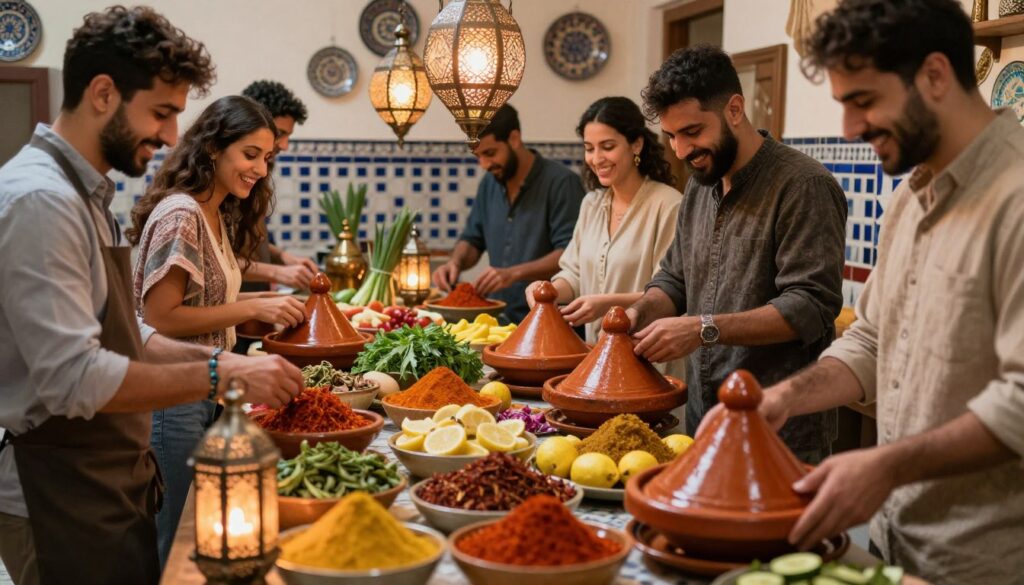
A key highlight of the Intrepid Morocco Food Tour is the chance to join hands-on culinary workshops and cooking classes. These sessions dive deep into Morocco’s rich culinary traditions. They help you understand the country’s food culture better.
Hands-On Experience in Local Kitchens
In these workshops, you get to enter local kitchens and learn to make traditional Moroccan dishes. Skilled chefs guide you, teaching the techniques and ingredients that make Moroccan cuisine special. This hands-on approach lets you taste the flavors and learn how they’re made.
Learning from Expert Chefs
The cooking classes are led by expert chefs who love sharing their knowledge of Moroccan cuisine. They show you how to make dishes like tagine and pastries. By learning from them, you’ll understand the cultural importance of ingredients and cooking methods. For more on Morocco’s culinary and cultural treasures, visit Africa Tours Marrakech.
Recipes to Take Home
One of the best parts of the workshops is getting to take home the recipes you’ve learned. This lets you keep exploring Moroccan flavors in your own kitchen. The recipes are a lasting reminder of your tour, allowing you to share Moroccan culture with others.
Exploring Moroccan Markets and Souks
The souks of Morocco are a feast for the senses. They burst with colors, sounds, and tastes. As you wander through these lively markets, you’ll find a world of food that’s key to Moroccan life.
Navigating Local Markets
Exploring Moroccan souks is an adventure. It’s important to be ready and know what to look for. The markets are split into areas for different items like spices, fabrics, or pottery. Engaging with vendors is a must, as they love to share their knowledge and offer samples.
Tips for Navigating Souks:
- Be prepared to haggle, as it’s a common practice in Moroccan markets.
- Take your time to explore different sections and don’t be afraid to ask questions.
- Keep an eye out for unique ingredients and local specialties.
Unique Ingredients to Discover
Moroccan food is famous for its bold tastes and smells. This is thanks to the special ingredients found in souks. You’ll find things like preserved lemons, olives, and spices like cumin, coriander, and saffron. These are key to traditional dishes and make great souvenirs.
| Ingredient | Description | Use in Moroccan Cuisine |
|---|---|---|
| Preserved Lemons | Lemons preserved in salt and their own juices | Used in tagines and salads |
| Cumin | A warm, earthy spice | Common in stews and couscous |
| Saffron | A luxurious, aromatic spice | Used in special dishes like paella and certain tagines |
Shopping for Spices and Souvenirs
Shopping for spices and souvenirs is a big part of visiting Moroccan souks. You’ll find many spices and handicrafts. Remember to haggle and check the quality of what you’re interested in.
Traditional Moroccan Dining Etiquette
Exploring an authentic Moroccan cuisine tour means learning about dining etiquette. Moroccan meals are more than just food. They’re about culture, traditions, and connecting with others.
Customs and Traditions
Moroccan meals are shared, showing the value of hospitality. People use their right hand to eat, as the left is seen as unclean. This custom comes from cultural and religious beliefs.
Respect for elders and hosts is key. In a Moroccan home, the oldest person eats first. It’s polite to wait for the host to start eating.
How Meals Are Served
Meals are on a big platter in the middle of the table. The food is arranged beautifully, with each dish adding to the feast. The host serves guests from the platter, showing respect and kindness.
The Importance of Sharing Food
Sharing food is central to Moroccan culture. Meals bring people together, showing hospitality and generosity. On an authentic Moroccan cuisine tour, you’ll enjoy the joy of eating together.
| Custom | Description | Significance |
|---|---|---|
| Eating with the Right Hand | Using the right hand for eating, as the left is considered unclean. | Cultural and religious significance. |
| Respect for Elders | Waiting for the eldest to be served first. | Shows respect and follows traditional hierarchy. |
| Communal Dining | Sharing meals from a central platter. | Fosters a sense of community and hospitality. |
Knowing these customs makes your authentic Moroccan cuisine tour better. It lets you truly enjoy the rich culture of Moroccan dining.
The Beverage Culture of Morocco
Starting a foodie adventure in Morocco means diving into a lively drink scene. Drinks are key in Moroccan culture, with some being essential to the country’s food identity.
Moroccan Mint Tea
Moroccan mint tea, or “Atay,” is more than a drink. It’s a sign of welcome and friendship. Making mint tea is an art, using green tea, fresh mint, and sugar. It’s a daily favorite in Moroccan homes.
Traditional Coffee and Other Drinks
Traditional Moroccan coffee is also a hit. It’s strong and sweet. You’ll also find fruit juices and Sharbat, a sweet syrup drink. Trying these drinks is part of the Moroccan culinary journey.
Pairing Beverages with Meals
In Morocco, drinks are a big part of meals. Mint tea cleanses your palate between bites. Knowing how to match drinks with food makes the meal better.
| Beverage | Typical Pairing | Description |
|---|---|---|
| Moroccan Mint Tea | Tagine, Pastilla | A refreshing complement to rich dishes |
| Traditional Coffee | Desserts, like Baklava | Strong and sweet, pairs well with sweet treats |
| Fruit Juices | Grilled meats, salads | Refreshing and light, ideal for balancing flavors |
Regional Variations in Moroccan Cuisine
Exploring Morocco’s food scene reveals a world of differences from one area to another. Moroccan food is shaped by the country’s varied landscapes, weather, and cultures.
Coastal Dishes vs. Mountain Dishes
The coast of Morocco is famous for its seafood. You’ll find grilled fish, seafood stews, and more. On the other hand, the mountains offer hearty meals like tagines and stews. These are made with local meats and veggies.
Unique Ingredients from Different Regions
Every region in Morocco has its own special ingredients. This shows the local plants, animals, and farming ways. For instance, the Atlas Mountains are full of fresh fruits and veggies. The coast is known for its seafood.
| Region | Unique Ingredients | Signature Dishes |
|---|---|---|
| Coastal | Fresh seafood, olives | Grilled fish, seafood stews |
| Mountainous | Local meats, root vegetables | Tagines, hearty stews |
| Desert | Dates, camel meat | Date-based desserts, camel tagine |
Culinary Diversity Across the Country
Morocco’s food scene shows off the country’s rich culture and varied landscapes. From the coast to the mountains and deserts, each place adds its own flavors and cooking styles.
Exploring regional variations in Moroccan cuisine is a rewarding journey. It lets you see the depth and variety of the country’s food world.
Experience Local Food Festivals
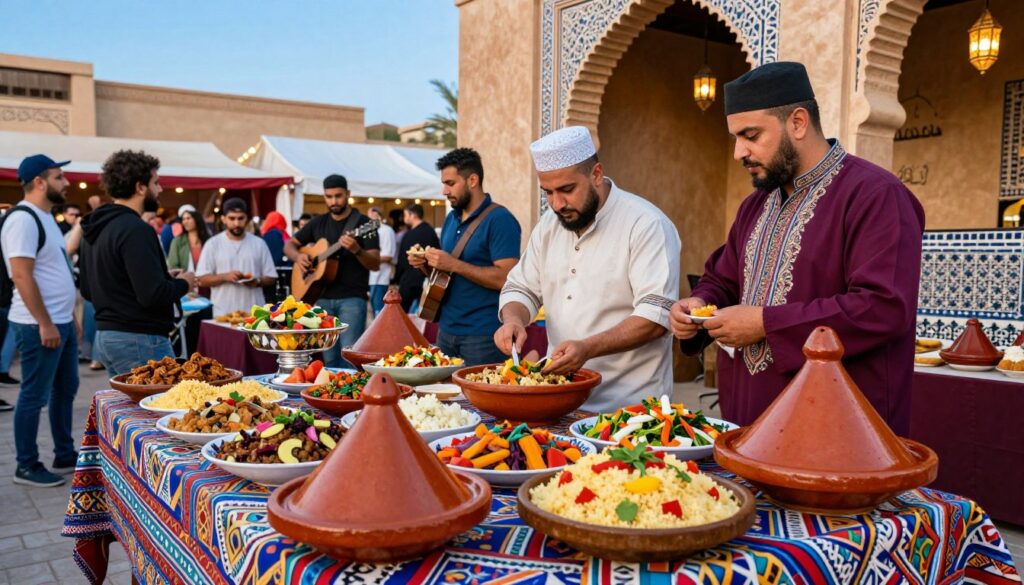
Morocco’s food festivals are vibrant and showcase the country’s rich culinary heritage. These events let you taste the best of Moroccan cuisine. You’ll find traditional dishes and new culinary creations.
Major Food Festivals in Morocco
Morocco has many food festivals throughout the year. Each celebrates a different part of its culinary culture. The Marrakech International Film Festival, for example, includes food events and workshops.
The Essaouira Gnawa Music Festival focuses on Gnawa cuisine and music. These festivals let you taste local specialties and learn about Moroccan cuisine’s cultural context. You’ll enjoy street food and fine dining in a lively atmosphere.
Highlighting Regional Specialties
Every region in Morocco has its own special dishes. These dishes reflect local ingredients and cooking methods. At festivals, you can try many regional dishes.
For example, the south is famous for tagines, the north for couscous, and cities for pastilla. These dishes are not just tasty but also carry deep cultural and historical meaning.
Cultural Significance of Festivals
Food festivals in Morocco are more than just food. They celebrate the country’s cultural heritage. They let local chefs show off, producers display their products, and communities come together.
These festivals are deeply meaningful. They help keep traditional cooking alive and promote local ingredients. By joining in, visitors learn a lot about Moroccan culture and its food traditions.
Attending local food festivals is a key part of any culinary tour in Morocco. It’s a mix of culture, community, and amazing food.
Understanding Moroccan Food History
Moroccan food has a long and rich history. It was shaped by trade, migration, and cultural exchange over centuries. This history makes Moroccan cuisine complex and diverse, making it interesting to explore.
The Evolution of Cuisine
Moroccan cuisine has changed a lot over time. It was influenced by Arab, Mediterranean, and African cultures. This mix is seen in the spices, cooking methods, and overall style of dishes.
Local ingredients and cooking methods have also played a big role. For example, the use of preserved lemons and olives shows the creativity of Moroccan cooks.
Key Factors in the Evolution of Moroccan Cuisine:
- Influence of Arab, Mediterranean, and African cultures
- Adoption of local ingredients and cooking techniques
- Use of preserved foods to extend shelf life
Historical Influences
Historical events and cultural exchanges have shaped Moroccan cuisine. Morocco’s location made it a key spot for trade and cultural exchange. This brought in new ingredients and cooking methods.
For instance, tomatoes from the New World changed Moroccan cooking, adding to sauces and stews. French cuisine also had an impact during the colonial period, introducing new techniques and dishes.
Modern Adaptations
Today, Moroccan chefs are mixing old and new in their cooking. They use traditional ingredients in new ways and blend Moroccan cuisine with international flavors. This is seen in creative dishes and presentation styles.
Modern chefs are also using local ingredients in new dishes. They’re also adding global culinary trends to traditional Moroccan recipes.
Examples of Modern Adaptations:
- Innovative use of traditional spices in modern dishes
- Integration of international flavors into Moroccan cuisine
- Creative presentation of traditional Moroccan dishes
Combining Food with Sightseeing
Starting a culinary journey through Morocco reveals the country’s rich history and culture. The Intrepid Morocco Food Tour mixes exploring Morocco’s food with its architecture and scenic spots.
Architectural Highlights Along the Tour
Morocco’s architecture shows its diverse history and cultural influences. You’ll see ancient medinas, mosques, and riads on the tour. Each place gives a unique look into Morocco’s architectural past.
In Marrakech, you’ll walk through lively streets and see vibrant souks and Islamic architecture. Fez’s ancient medina, a UNESCO World Heritage Site, is another highlight. Its architecture is well-preserved.
Scenic Locations for Food Stops
The tour isn’t just about food; it’s also about where you eat. Imagine eating a tagine in a beautiful riad, surrounded by gardens and courtyards.
You’ll also eat in stunning places, like overlooking the Atlas Mountains or in a desert camp. These moments will not only please your taste buds but also give you unforgettable memories of Morocco’s landscapes.
Balancing Sightseeing and Culinary Experiences
The Intrepid Morocco Food Tour finds the right mix of sightseeing and food. You’ll see historic sites, dive into local culture, and enjoy Morocco’s famous dishes.
This tour offers a full and engaging experience. You’ll leave with a deeper understanding of Moroccan culture, a love for its food, and memories of its beautiful landscapes.
Sustainable and Ethical Eating Practices
The Intrepid Morocco Food Tour focuses on sustainable and ethical eating. It offers a unique look at Moroccan culinary traditions. This approach makes your culinary journey better and helps local communities and the environment.
The tour supports local farmers and producers. This ensures your food adventure positively impacts the local economy. You’ll enjoy delicious, sustainable meals made with locally sourced ingredients and traditional cooking methods.
Supporting Local Farmers
The Intrepid Morocco Food Tour is dedicated to backing local farmers. It sources ingredients from local farms, promoting sustainable agriculture and supporting the local economy. You’ll visit local markets and meet the farmers who grow the food for traditional Moroccan dishes.
Eco-Friendly Food Choices
The tour focuses on eco-friendly food choices. It teaches about reducing food waste and using sustainable ingredients. You’ll learn about traditional Moroccan cooking methods that are good for the planet and enhance the flavor of dishes.
Preserving Culinary Heritage
Preserving culinary heritage is key to the Intrepid Morocco Food Tour. You’ll learn about traditional Moroccan cuisine and cooking techniques. This deepens your appreciation for the cultural importance of food in Moroccan society. The tour is a chance to experience Morocco’s rich culinary heritage while supporting local communities.
Preparing for Your Food Tour
A guided food tour in Morocco is an unforgettable adventure. To make the most of it, preparation is essential. It ensures a smooth and delightful culinary journey.
What to Pack
For your Morocco food tour, pack comfy clothes and shoes for walking. Bring a camera to capture the stunning colors and tasty dishes. For more trip planning tips, check out Africa Tours Marrakech.
Tips for First-Time Tourists
If you’re new to guided food tours, come with an open mind and a big appetite. Be ready to try new flavors and ask your guides about local dishes.
- Arrive hungry and ready to try new foods.
- Stay hydrated throughout the tour.
- Engage with your tour guides and fellow travelers.
Culinary Vocabulary to Know
Knowing basic Moroccan culinary terms can make your dining experience better. Learn words like “tagine” (a slow-cooked stew) and “couscous” (a traditional North African dish). Knowing these terms will help you understand menus and enjoy the local cuisine more.
Conclusion: The Joy of a Moroccan Food Tour
Going on an Intrepid Morocco Food Tour is a memorable experience. You’ll make lasting memories and learn to love authentic Moroccan food. You’ll see vibrant markets, taste local dishes, and learn from chefs.
Lasting Memories and Culinary Skills
This tour is all about food and fun. You’ll learn to cook traditional dishes like tagine and couscous. You’ll also discover how spices make Moroccan food special.
Encouragement to Experience Morocco
If you love trying new foods, this tour is perfect for you. It’s a mix of culture, cooking, and exploring markets. It’s a real taste of Morocco that you’ll love.
Call to Action: Book Your Tour Today!
Are you ready for a food adventure? Book your Intrepid Morocco Food Tour now. It’s filled with amazing food, expert guides, and unforgettable moments.